

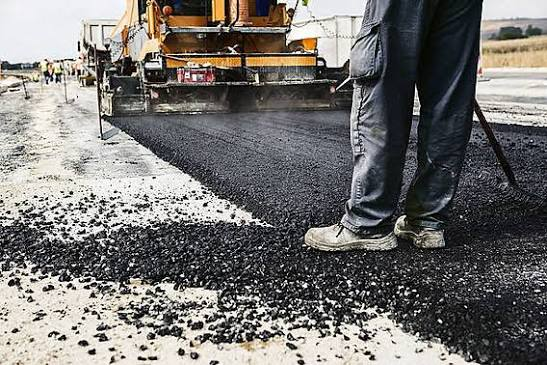
Bitumen is one of the world’s most important construction materials, playing a vital role in modern infrastructure. It is widely used in road construction, waterproofing systems, roofing products, airport runways, and industrial applications because of its excellent binding, waterproofing, and adhesive properties. Whether you drive on a highway, walk across a paved parking lot, or see a flat commercial roof, chances are bitumen is a key component behind its durability and performance.
As global infrastructure continues to expand, the demand for high-quality what is bitumen, remains strong. Advances in manufacturing, polymer modification, and sustainable paving technologies have made bitumen more durable and environmentally efficient than ever before. Understanding what bitumen is, how it is produced, and where it is used helps engineers, contractors, property owners, and students appreciate why this versatile material remains essential to modern construction.
What Is Bitumen?
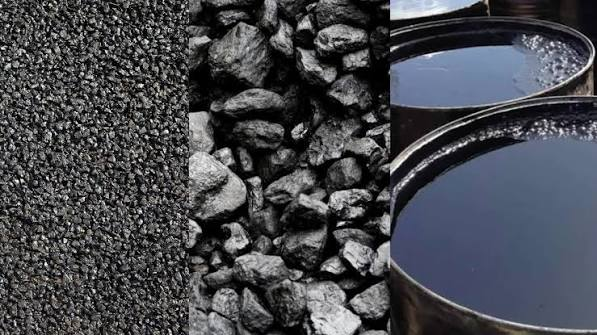
Bitumen is a black, sticky, highly viscous material primarily obtained during the refining of crude oil. It consists of complex hydrocarbons that provide excellent binding and waterproofing characteristics. At normal temperatures, bitumen is solid or semi-solid, but when heated, it becomes fluid enough to coat aggregates and other construction materials.
Although many people use the terms “bitumen” and “asphalt” interchangeably, they are not exactly the same. Bitumen is the binding material, while asphalt generally refers to the finished mixture of bitumen, sand, gravel, and crushed stone used to pave roads and highways. This distinction is important in construction, where bitumen serves as the adhesive that holds aggregate particles together.
Natural deposits of bitumen also exist in certain parts of the world, but the vast majority of commercial bitumen used today is produced through petroleum refining. Modern refining techniques ensure consistent quality, allowing manufacturers to produce bitumen grades suited for different climates, traffic loads, and engineering requirements.
How Bitumen Is Produced
Most commercial bitumen is produced as the heaviest residual product during crude oil refining. The refining process separates crude oil into various petroleum products based on their boiling points. Lighter products such as gasoline, diesel, jet fuel, and lubricants are removed first, leaving behind heavy residual materials that are further processed into bitumen. what is bitumen.
After initial refining, manufacturers carefully control the composition and consistency of bitumen to achieve specific performance characteristics. Depending on its intended application, bitumen may undergo additional processing, including air blowing or polymer modification, to improve flexibility, durability, temperature resistance, and aging performance.
Quality control plays an important role throughout production. Manufacturers test properties such as penetration, softening point, viscosity, ductility, and flash point to ensure each batch meets engineering specifications. Consistent production standards help contractors achieve reliable performance in road construction, roofing, and waterproofing projects. what is bitumen.
Types of Bitumen
Several types of bitumen are available to meet different construction and industrial needs. Penetration-grade bitumen is among the most widely used and is classified according to its hardness. Engineers select the appropriate penetration grade based on climate conditions, expected traffic loads, and pavement design requirements. what is bitumen.
Performance-grade bitumen has become increasingly popular because it is engineered to perform under specific temperature ranges. This grading system helps road surfaces resist rutting during hot weather while minimizing cracking in cold conditions. Polymer-modified bitumen incorporates synthetic polymers to improve elasticity, fatigue resistance, and long-term durability, making it suitable for highways, bridges, and airports.
Other specialized forms include cutback bitumen, bitumen emulsion, oxidized bitumen, and crumb rubber modified bitumen. Each type offers unique advantages depending on construction requirements. Emulsions are commonly used for road maintenance and surface treatments, while oxidized bitumen is widely used in roofing membranes, insulation, and industrial waterproofing systems. what is bitumen,
Properties That Make Bitumen Valuable
Bitumen possesses several physical and chemical properties that make it an ideal construction material. Its excellent adhesive capability allows it to firmly bind aggregates together, creating strong and durable pavement surfaces capable of supporting heavy traffic for many years.
Another valuable characteristic is its waterproof nature. Bitumen effectively prevents water penetration, protecting roads, roofs, bridges, tunnels, and foundations from moisture-related damage. This waterproofing ability significantly extends the service life of infrastructure exposed to varying weather conditions. what is bitumen.
Bitumen also demonstrates remarkable flexibility and durability. Properly selected grades can expand and contract with temperature changes without excessive cracking. In addition, bitumen resists many chemicals, making it suitable for industrial environments where pavements and protective coatings are exposed to oils, fuels, and other substances. what is bitumen.
Common Uses of Bitumen
Road construction remains the largest application of bitumen worldwide. Highways, city streets, rural roads, airport runways, parking lots, and bicycle paths all rely on bitumen as the primary binder that creates smooth, durable, and weather-resistant pavement surfaces. what is bitumen.
Beyond transportation infrastructure, bitumen plays an important role in waterproofing. It is commonly used in basement waterproofing, foundation protection, bridge decks, retaining walls, tunnels, and underground structures where moisture resistance is essential. Roofing materials such as shingles, roofing felt, and modified bitumen membranes also depend on bitumen for long-lasting weather protection. what is bitumen.
Industrial applications include pipe coatings, corrosion protection, sound insulation, and vibration damping. Bitumen-based products are also found in hydraulic engineering projects, dams, canals, reservoirs, and coastal protection systems, demonstrating the material’s versatility across multiple industries. what is bitumen.
Advantages of Using Bitumen
One of the biggest advantages of bitumen is its long service life when properly designed and maintained. Bituminous pavements can withstand heavy traffic while providing smooth driving surfaces that reduce vehicle wear and improve fuel efficiency. Regular maintenance further extends pavement lifespan, making bitumen a cost-effective construction material. what is bitumen.
Bitumen is also highly recyclable. During road rehabilitation, old asphalt pavement can be milled, processed, and reused in new pavement mixtures. This recycling capability reduces construction waste, conserves natural resources, and lowers project costs while supporting more sustainable infrastructure development.
Another important benefit is its adaptability. Manufacturers can produce bitumen with varying performance characteristics for different climates, traffic volumes, and engineering requirements. Whether constructing urban roads, airport runways, industrial facilities, or residential driveways, engineers can select bitumen products specifically designed for the intended application. what is bitumen.
Factors That Affect Bitumen Performance
The long-term performance of bitumen depends on several environmental and engineering factors. Temperature fluctuations significantly influence bitumen behavior. Extremely high temperatures can soften certain grades, while freezing conditions may increase the risk of cracking if unsuitable materials are used. what is bitumen.
Traffic loading also plays a major role in pavement durability. Roads carrying heavy trucks experience greater stress than residential streets, requiring stronger bitumen formulations and carefully engineered pavement structures. Proper aggregate selection, pavement thickness, and compaction all contribute to overall performance.
Moisture, ultraviolet radiation, oxidation, and aging gradually affect bitumen over time. Modern polymer modification technologies, improved construction practices, and preventive maintenance help minimize these effects, allowing pavements and waterproofing systems to remain effective for many years.
Sustainability and Modern Innovations in Bitumen
The construction industry continues to improve the environmental performance of bitumen through innovative technologies and sustainable practices. Warm mix asphalt technologies reduce production temperatures, lowering fuel consumption and greenhouse gas emissions while improving working conditions for construction crews.
Recycled asphalt pavement has become increasingly common in road construction. By incorporating reclaimed materials into new pavement, contractors reduce the need for virgin aggregates and fresh bitumen while maintaining excellent performance. This circular approach supports resource conservation and reduces landfill waste.
Researchers are also developing bio-based binders, advanced polymer modifiers, and smart pavement technologies that enhance durability while reducing environmental impact. These innovations demonstrate how bitumen continues to evolve alongside modern infrastructure needs and sustainability goals.
Conclusion
what is bitumen, is an essential material that forms the backbone of modern transportation and construction infrastructure. Its outstanding adhesive strength, waterproofing capability, flexibility, and durability make it indispensable for roads, highways, airports, roofing systems, waterproofing applications, and numerous industrial projects. As one of the most widely used construction binders in the world, bitumen continues to support safe, reliable, and long-lasting infrastructure.
Advancements in refining technology, polymer modification, recycling, and sustainable construction methods have further improved the performance of bitumen while reducing its environmental impact. By understanding what bitumen is, how it is produced, its different types, and the factors that influence its performance, engineers, contractors, and property owners can make informed decisions that contribute to stronger, safer, and more durable construction projects. With continued innovation and responsible use, bitumen will remain a cornerstone of global infrastructure development for many years to come.
