

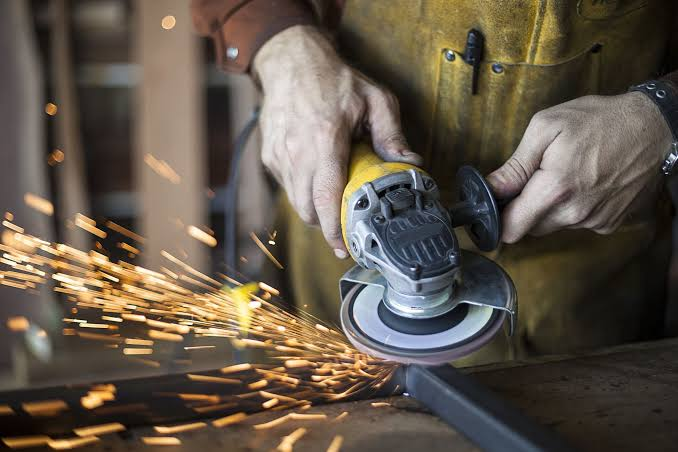
Abrasive wheels are among the most widely used tools in manufacturing, construction, metalworking, automotive repair, and fabrication. They are designed to cut, grind, sharpen, and polish a wide range of materials, making them essential for both industrial and workshop environments. Despite their usefulness, abrasive wheels can become extremely dangerous if they are damaged, improperly stored, or used without proper inspection. A wheel rotating at thousands of revolutions per minute can fail suddenly, creating serious safety hazards for operators and nearby workers.
One of the most common safety questions asked by workers, supervisors, and safety inspectors is, what test should be performed on abrasive wheels? The answer is the ring test, also known as the sound test. This simple inspection helps determine whether a vitrified grinding wheel has hidden cracks that could cause catastrophic failure during operation. However, the ring test is only one part of a complete safety inspection. A thorough evaluation also includes visual examination, speed verification, mounting checks, storage inspection, and regular maintenance.
Understanding the proper testing methods not only improves workplace safety but also extends wheel life, improves grinding performance, reduces downtime, and helps organizations comply with occupational safety standards. This guide explains everything you need to know about abrasive wheel testing, including when the ring test should be used, how it is performed correctly, and what additional inspections should always accompany it.
Understanding Abrasive Wheels and Why Testing Matters
An abrasive wheel is a precision-engineered product made by bonding abrasive grains together into a rigid shape. These wheels are manufactured for specific applications, including cutting, grinding, surface finishing, and sharpening. Depending on the application, wheels may use vitrified, resin, rubber, shellac, or metal bonds, each offering different performance characteristics and inspection requirements. what test should be performed on abrasive wheels.
Although abrasive wheels appear solid, they are relatively brittle. Small cracks caused during transportation, improper storage, accidental impacts, or incorrect mounting may not be visible to the naked eye. Once the wheel begins rotating at high speed, even a tiny crack can rapidly expand due to centrifugal force, causing the wheel to break apart. This is why proper abrasive wheel inspection is considered one of the most important safety practices before operation.
Testing also protects the quality of finished work. A damaged or improperly mounted wheel often creates vibration, poor surface finish, excessive heat generation, inaccurate grinding, and accelerated wear. Regular inspections therefore improve both safety and productivity while reducing equipment maintenance costs.
The Ring Test Is the Primary Test Performed on Abrasive Wheels
The most widely recognized answer to the question, what test should be performed on abrasive wheels, is the ring test. This simple non-destructive test helps identify internal cracks that cannot be seen during a visual inspection. It is specifically intended for vitrified bonded grinding wheels before mounting them on grinding machines. what test should be performed on abrasive wheels.
During a ring test, the wheel is suspended or supported through its center hole and lightly tapped with a non-metallic instrument such as a wooden mallet, plastic screwdriver handle, or other soft object recommended by the manufacturer. A wheel in good condition produces a clear, metallic ringing sound. If the wheel has internal cracks, it typically produces a dull, flat, or dead sound instead. The difference in sound allows trained personnel to identify potentially unsafe wheels before installation.
It is important to understand that the ring test is not suitable for every abrasive wheel. Organic bonded wheels, diamond wheels, CBN wheels, and some specialized products should not undergo this test because their construction does not produce reliable acoustic results. Operators should always follow the manufacturer’s recommendations regarding appropriate inspection procedures for each wheel type. what test should be performed on abrasive wheels.
How to Perform the Ring Test Correctly
Before conducting a ring test, the abrasive wheel should be clean and free from excessive dirt, grease, or packaging materials that may interfere with the sound. The inspector should carefully examine the wheel visually for chips, broken edges, water damage, discoloration, or other obvious defects before beginning the acoustic test. what test should be performed on abrasive wheels.
The wheel should then be suspended through its arbor hole using a suitable support or balanced on a finger through the center hole. The inspector gently taps the wheel approximately 45 degrees on either side of the vertical centerline while avoiding direct contact near the edges. After rotating the wheel, the same process is repeated around different sections to ensure consistent results. A clear ringing tone generally indicates structural integrity, while a dull response may indicate internal cracking.
The ring test should never involve striking the wheel forcefully or using a metal hammer, as excessive impact can damage the wheel itself. The inspection should be carried out by trained personnel in a quiet environment where sound differences can be recognized accurately. Any wheel producing questionable results should immediately be removed from service and replaced. what test should be performed on abrasive wheels.
Visual Inspection Is Equally Important Before Every Use
Although the ring test receives the most attention, visual inspection remains one of the most valuable safety procedures for abrasive wheels. Every wheel should be examined before installation and again before each use. Careful observation often reveals defects that make further testing unnecessary because the wheel should already be rejected. what test should be performed on abrasive wheels.
Inspectors should look for visible cracks, chips, missing sections, excessive wear, uneven thickness, glazing, loading, discoloration from heat, moisture damage, contamination, and damaged labels. The mounting hole should be clean and undamaged, while both wheel faces should remain flat and free from major defects. Storage damage, accidental impacts, and improper handling frequently leave visible signs that should never be ignored. what test should be performed on abrasive wheels.
Visual inspection also includes checking the wheel specifications printed on the manufacturer’s label. The operator should verify the wheel type, dimensions, maximum operating speed, material compatibility, and expiration date if applicable. Missing or unreadable labels make it difficult to confirm safe operating limits, making replacement the safest option. what test should be performed on abrasive wheels.
Speed Verification and Proper Mounting Checks
One of the most overlooked aspects of abrasive wheel safety involves matching the wheel’s maximum rated speed with the grinder’s operating speed. Every abrasive wheel is manufactured with a maximum safe rotational speed that should never be exceeded. Operating beyond this limit dramatically increases stress within the wheel and significantly raises the risk of failure. what test should be performed on abrasive wheels.
Before mounting a wheel, operators should verify the grinder’s spindle speed and compare it with the wheel’s maximum RPM rating. The machine should never exceed the wheel’s approved speed under any operating conditions. This simple verification is often required under workplace safety regulations because overspeed remains one of the leading causes of abrasive wheel accidents. what test should be performed on abrasive wheels.
Mounting procedures also require careful attention. The spindle, flanges, blotters, and mounting hardware should be clean and free from burrs or damage. Tightening the mounting nut excessively may introduce stress into the wheel, while insufficient tightening can allow movement during operation. Correct flange size and proper alignment help distribute pressure evenly across the wheel, reducing the likelihood of cracking. what test should be performed on abrasive wheels.
Additional Safety Inspections Beyond the Ring Test
While the ring test identifies internal structural defects in certain grinding wheels, a complete abrasive wheel safety program includes several additional inspections. Operators should regularly evaluate wheel balance, dressing condition, machine guards, work rests, and spindle alignment to maintain safe and efficient operation. what test should be performed on abrasive wheels.
Wheel balance plays a significant role in reducing vibration during grinding. An unbalanced wheel creates uneven wear, poor surface finish, operator fatigue, and additional stress on machine bearings. Dressing the wheel periodically restores its cutting efficiency, removes glazing, exposes fresh abrasive grains, and improves grinding accuracy. These maintenance practices indirectly contribute to safer operation by reducing unnecessary mechanical stress.
Machine guards should fully cover the wheel according to manufacturer recommendations while allowing sufficient clearance for the grinding operation. Work rests should remain properly adjusted close to the wheel surface to prevent workpieces from becoming trapped. These equipment inspections work together with wheel testing to create a comprehensive workplace safety system. what test should be performed on abrasive wheels.
Common Mistakes That Increase Abrasive Wheel Risks
Many abrasive wheel accidents result from preventable human errors rather than manufacturing defects. One common mistake is skipping the ring test because the wheel appears new or has recently been delivered. Shipping damage can occur even when packaging looks undamaged, making inspection essential before installation.
Another frequent error involves dropping or bumping wheels during transportation inside the workshop. Even minor impacts can create microscopic fractures that remain invisible during casual observation. Wheels that have been dropped should never be installed without proper evaluation and, when appropriate, ring testing according to manufacturer guidance. what test should be performed on abrasive wheels.
Improper storage also contributes significantly to wheel failures. Abrasive wheels should be stored in clean, dry environments away from excessive moisture, freezing temperatures, chemical exposure, and direct sunlight. Stacking wheels incorrectly or placing heavy objects on them may create hidden stress that weakens their structure long before they are used. Good storage practices preserve both safety and grinding performance throughout the wheel’s service life. what test should be performed on abrasive wheels.
Industry Standards and Workplace Safety Requirements
Organizations responsible for workplace safety emphasize regular inspection and testing of abrasive wheels because of the serious hazards associated with wheel failure. Safety regulations generally require employers to ensure that grinding equipment, abrasive wheels, machine guards, and operator training meet recognized standards before equipment is placed into service. what test should be performed on abrasive wheels.
Training remains a critical component of abrasive wheel safety. Operators should understand wheel markings, speed ratings, mounting procedures, inspection techniques, personal protective equipment requirements, and emergency response procedures. Even the highest-quality grinding wheel becomes unsafe when handled incorrectly or installed on unsuitable equipment.
Employers also benefit from maintaining documented inspection procedures and scheduled equipment maintenance. Regular records demonstrate that abrasive wheels are inspected before use, defective wheels are removed from service promptly, and employees receive ongoing safety education. This systematic approach reduces workplace injuries while improving productivity and equipment reliability. what test should be performed on abrasive wheels.
Conclusion
The answer to the question what test should be performed on abrasive wheels is straightforward for vitrified bonded grinding wheels: the ring test is the primary inspection used to detect hidden internal cracks before mounting. When performed correctly by trained personnel, the ring test provides a simple and effective method of identifying wheels that may fail during operation. However, it should never be viewed as the only safety measure.
A complete abrasive wheel inspection includes careful visual examination, speed verification, proper mounting procedures, machine inspection, storage evaluation, and regular maintenance. Together, these practices significantly reduce the risk of wheel failure while improving grinding quality and extending equipment life. Understanding when to perform the ring test, when it is appropriate, and how it fits into a broader safety program helps create safer workplaces and more reliable grinding operations.
Whether you work in manufacturing, construction, automotive repair, fabrication, or maintenance, taking a few extra minutes to inspect every abrasive wheel before use is one of the simplest and most effective ways to prevent serious accidents. Safe grinding begins with proper testing, careful handling, and consistent adherence to established safety procedures.
