

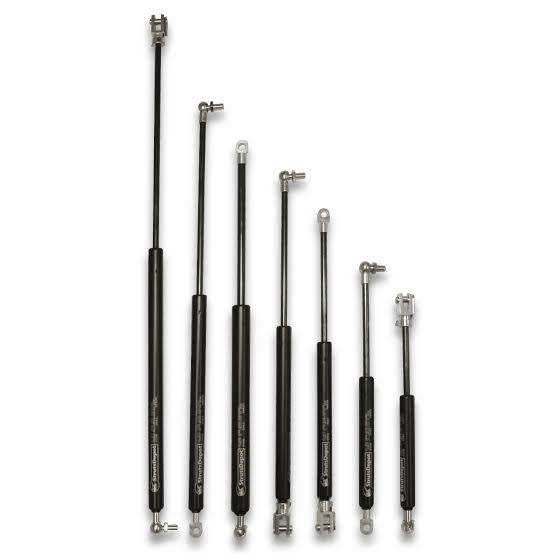
Gas struts have become an essential component in countless products across automotive, industrial, commercial, and residential applications. Whether you are opening the tailgate of an SUV, lifting a storage bed, supporting a toolbox lid, or raising a heavy machine cover, gas struts make these tasks safer, smoother, and more convenient. Also known as gas springs, gas shocks, lift supports, or gas lift cylinders, these devices use compressed nitrogen gas to provide controlled lifting and support while reducing the effort required to move heavy objects.
Modern gas struts are engineered to improve safety, ergonomics, and durability. Instead of relying solely on hinges or manual lifting, they help support weight, slow movement, and hold doors, hatches, and lids securely in position. Their widespread use in vehicles, furniture, medical equipment, industrial machinery, marine applications, and recreational vehicles demonstrates their versatility and reliability. Choosing the correct gas strut, however, requires understanding factors such as force rating, stroke length, mounting orientation, environmental conditions, and intended application.
This comprehensive guide explains everything you need to know about gas struts, including how they work, the different types available, their common applications, installation methods, maintenance practices, troubleshooting advice, and tips for selecting the right replacement. By understanding these details, you can maximize performance, improve safety, and extend the lifespan of your gas struts.
What Are Gas Struts and How Do They Work?
A gas strut is a sealed mechanical device filled primarily with compressed nitrogen gas and a small amount of hydraulic oil. Inside the cylinder, a piston attached to a piston rod moves through the pressurized gas, creating resistance and controlled lifting force. The compressed nitrogen stores energy that assists in raising or supporting heavy loads, while the hydraulic oil provides damping to ensure smooth and controlled movement.
Unlike conventional mechanical springs that rely on metal coil compression, gas struts deliver consistent force throughout much of their operating range. This design minimizes sudden movements and reduces operator effort when opening or closing heavy panels. Because nitrogen is inert and stable, it provides reliable performance over long periods while minimizing internal corrosion.
The amount of force generated depends on several factors, including cylinder size, internal gas pressure, piston diameter, and rod dimensions. Manufacturers produce gas struts in a wide range of force ratings to accommodate everything from lightweight cabinet doors to heavy industrial equipment. Proper sizing is essential because an incorrectly rated strut may either fail to support the load or exert excessive lifting force.
Common Types of Gas Struts
Gas struts are available in several configurations designed for specific operating conditions. Standard compression gas struts are the most common and are widely used in automotive liftgates, equipment covers, storage compartments, and furniture. They assist with lifting while holding the object securely in its open position until downward force is applied.
Locking gas struts offer additional functionality by allowing the rod to lock at specific positions. These models are commonly found in adjustable hospital beds, ergonomic workstations, medical equipment, office chairs, and specialized machinery where controlled positioning is required. Their locking mechanism improves safety by preventing unwanted movement during use.
Traction gas struts operate differently by providing pulling rather than pushing force. Stainless steel gas struts are designed for marine, food processing, pharmaceutical, and outdoor environments where resistance to moisture and corrosion is essential. Manufacturers also produce adjustable-force gas struts that allow technicians to fine-tune internal pressure during installation to match specific application requirements.
Where Gas Struts Are Used
One of the reasons gas struts are so popular is their versatility across numerous industries. In the automotive sector, they are commonly installed on rear hatchbacks, SUV tailgates, engine hoods, trunk lids, camper shells, truck canopies, and tonneau covers. These applications improve convenience while reducing the physical effort required to access storage compartments or engine bays.
Industrial equipment also depends heavily on gas struts. Heavy machine guards, electrical cabinets, inspection doors, control panels, maintenance hatches, and manufacturing equipment often incorporate gas springs to enhance worker safety and improve accessibility. By supporting heavy covers during maintenance, gas struts reduce the risk of accidental closure and workplace injuries.
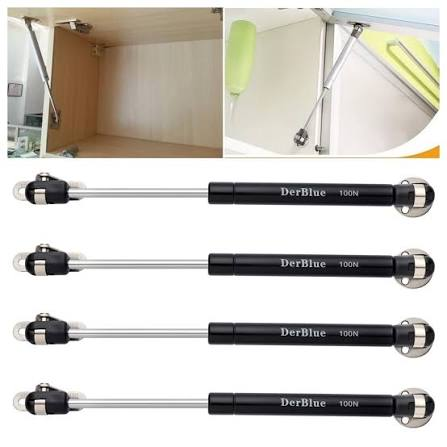
Residential and commercial furniture applications have expanded significantly in recent years. Storage beds, ottomans, toy boxes, kitchen cabinets, adjustable desks, recreational vehicles, boats, caravans, and wall-mounted beds frequently use gas struts to provide smooth lifting action. Their quiet operation and long service life make them an ideal solution for everyday use.
Benefits of Using Gas Struts
One of the greatest advantages of gas struts is improved safety. Heavy lids, doors, and access panels can pose serious injury risks if they close unexpectedly. Properly selected gas struts support these loads throughout their movement while slowing closure and minimizing sudden impacts. This controlled motion protects both users and equipment.
Gas struts also improve ergonomics by reducing lifting effort. Instead of manually raising heavy components, users benefit from the stored energy inside the compressed gas cylinder. This reduction in physical strain is especially valuable in workplaces where repetitive lifting occurs throughout the day. Improved ergonomics contribute to higher productivity while lowering the risk of repetitive strain injuries.
Another important benefit is increased equipment longevity. Controlled opening and closing reduce stress on hinges, mounting hardware, and surrounding structural components. Smooth operation minimizes vibration and impact forces, helping preserve the integrity of both the gas strut and the equipment it supports. Many quality gas springs provide years of reliable service with minimal maintenance when used within their design limits.
Choosing the Right Gas Strut
Selecting the correct gas strut requires careful consideration of several technical specifications. Force rating, typically measured in Newtons, determines the lifting capability of the strut. Choosing the correct force ensures that the supported object opens smoothly, remains securely positioned, and closes without excessive resistance. Oversized struts can create dangerous opening forces, while undersized units may fail to support the load.
Extended length, compressed length, and stroke length must also match the application’s geometry. Even small dimensional differences can alter lifting angles, opening range, and mounting alignment. Manufacturers often provide engineering data and sizing calculators to help determine the correct specifications for replacement or new installations.
Environmental conditions should never be overlooked. Outdoor applications require weather-resistant materials capable of withstanding moisture, ultraviolet exposure, dust, and temperature fluctuations. Marine environments typically demand stainless steel construction, while food processing facilities often require corrosion-resistant finishes and hygienic designs that comply with industry regulations.
Proper Installation and Mounting Techniques
Correct installation significantly influences both performance and service life. Most gas struts are designed to operate with the piston rod facing downward when the equipment is in its closed position. This orientation keeps the internal oil lubricating the rod seal, reducing wear while ensuring consistent damping performance during operation.
Mounting brackets should be aligned carefully to prevent side loading on the piston rod. Excessive lateral forces increase friction, accelerate seal wear, and shorten service life. Ball socket fittings, eyelets, clevis mounts, and specialized brackets are available to accommodate different installation requirements while maintaining proper alignment throughout the operating range.
Before completing installation, operators should cycle the mechanism several times to verify smooth movement and proper support. Any binding, excessive force, unusual noise, or interference should be corrected immediately. Following manufacturer recommendations for mounting dimensions and operating angles helps maximize reliability while preventing premature failure.
Maintenance and Troubleshooting
Although gas struts require relatively little maintenance, regular inspections help identify problems before they become serious. The piston rod should remain clean, smooth, and free from scratches, corrosion, or contamination. Dirt and debris can damage seals over time, allowing gas pressure to escape and reducing lifting performance.
Temperature changes naturally influence gas pressure because nitrogen expands when heated and contracts when cooled. Slight variations in lifting force across different seasons are therefore normal. However, noticeable loss of support under normal operating temperatures often indicates internal gas leakage, meaning replacement is usually necessary because sealed gas struts cannot typically be repaired.
Visible oil leakage, bent piston rods, damaged mounting hardware, excessive corrosion, or inconsistent movement are all signs that a gas strut should be inspected or replaced. Continuing to operate damaged struts may compromise both safety and equipment performance. Routine maintenance schedules help ensure dependable operation throughout the product’s expected service life.
Common Problems and How to Avoid Them
One of the most common problems associated with gas struts is selecting the wrong force rating. Many users assume stronger is better, but excessive lifting force can make equipment difficult to close while placing unnecessary stress on hinges and mounting points. Accurate weight calculations and proper engineering guidance help prevent these issues.
Improper storage before installation can also reduce performance. Gas struts should be stored in clean, dry conditions and protected from physical damage. Dropping or striking the piston rod may create microscopic seal damage that eventually leads to pressure loss. Careful handling during transportation and installation preserves internal components and extends operational life.
Unauthorized modifications present another frequent problem. Drilling, heating, puncturing, painting the piston rod, or attempting to recharge sealed gas struts can damage the internal pressure system and create significant safety hazards. Gas struts should always be replaced rather than modified when they no longer function correctly.
Future Developments in Gas Strut Technology
Advances in engineering continue improving gas strut performance across numerous industries. Manufacturers are developing lighter materials, enhanced sealing systems, corrosion-resistant coatings, and precision manufacturing techniques that increase durability while reducing maintenance requirements. These innovations support growing demand for high-performance lifting solutions in both consumer and industrial markets.
Smart technologies are also influencing the future of gas spring systems. Some advanced applications now integrate electronic sensors, automated controls, and programmable positioning to improve user convenience and equipment functionality. These developments are particularly valuable in medical equipment, industrial automation, aerospace, and premium automotive applications where precision movement is essential.
Sustainability remains another area of ongoing innovation. Manufacturers increasingly focus on recyclable materials, environmentally responsible production processes, and longer-lasting products that reduce replacement frequency. Continued research into advanced materials and engineering methods promises even greater reliability and efficiency for future gas strut designs.
Conclusion
Gas struts are highly effective mechanical devices that improve safety, convenience, and efficiency across countless automotive, industrial, commercial, and residential applications. By using compressed nitrogen to generate controlled lifting force, they make heavy lids, doors, hatches, and panels easier to operate while reducing wear on surrounding components. Their versatility, reliability, and relatively maintenance-free operation have made them an indispensable solution in modern equipment design.
Selecting the correct gas strut requires careful attention to force rating, dimensions, mounting orientation, environmental conditions, and intended use. Proper installation and routine inspection further ensure dependable performance while extending service life. Whether you need replacement gas springs for a vehicle, industrial machine, storage bed, toolbox, marine hatch, or custom engineering project, understanding how gas struts work allows you to make informed decisions that improve both safety and long-term performance.
