

A welding torch is one of the most important tools in metal fabrication, manufacturing, automotive repair, construction, and industrial maintenance. Whether working with steel, aluminum, stainless steel, or other metals, the welding torch serves as the primary device that delivers heat or electrical current to create strong, reliable welds. From small home workshops to large industrial production facilities, welding torches are essential for producing durable metal joints that meet structural and performance requirements.
Modern welding torches have evolved significantly with advances in welding technology. Today’s torches are designed to provide greater precision, improved cooling systems, enhanced ergonomics, and better operator comfort. Different welding processes, including MIG welding, TIG welding, oxy-fuel welding, and plasma cutting, each require specialized torch designs that optimize performance for specific applications. Understanding these differences helps professionals and beginners choose equipment that matches their projects and skill levels.
This comprehensive guide explores everything you need to know about welding torches, including how they work, the different types available, their essential components, safety practices, maintenance requirements, and factors to consider before purchasing one. Whether you are a professional welder or someone learning the trade, understanding welding torch technology can improve welding quality, productivity, and workplace safety.
Understanding What a Welding Torch Is and How It Works
A welding torch is a handheld tool that directs either an electric arc or a controlled flame toward the workpiece to melt and join metal components. Depending on the welding process, the torch may deliver electrical current through an electrode, supply shielding gas to protect the weld pool, or combine fuel gases with oxygen to generate intense heat. Although designs vary, every welding torch is engineered to provide precise control while maintaining operator safety during welding operations.
In electric arc welding processes such as MIG and TIG welding, the torch conducts electrical current to generate an arc between the electrode and the metal surface. The extreme heat produced by the arc melts the base metal and filler material, allowing them to fuse into a strong welded joint. Shielding gas flows through the torch to protect the molten weld pool from atmospheric contamination that could weaken the finished weld.
Oxy-fuel welding torches operate differently by mixing oxygen with a fuel gas such as acetylene, propane, or natural gas. The resulting flame reaches temperatures high enough to melt metal for welding, brazing, soldering, heating, or cutting. Because these torches do not require electricity, they remain widely used for field repairs, metal fabrication, and maintenance work where portability is important.
Different Types of Welding Torches and Their Applications
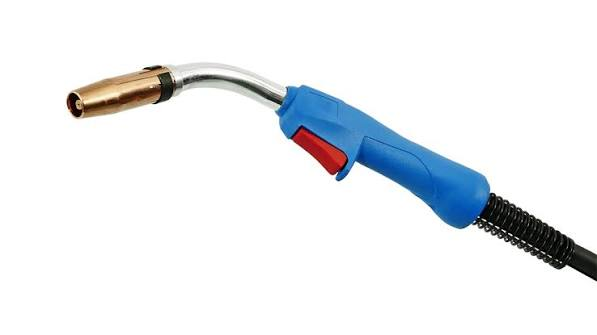
MIG welding torches are among the most commonly used in manufacturing and fabrication because they support high welding speeds and relatively simple operation. These torches continuously feed welding wire through the nozzle while delivering shielding gas around the weld area. MIG torches are ideal for automotive repairs, structural steel fabrication, production welding, and general metalworking projects that require efficiency and consistent weld quality.
TIG welding torches are designed for precision applications where appearance and weld quality are especially important. Instead of consuming the electrode, TIG torches use a non-consumable tungsten electrode to create the welding arc. Separate filler rods may be added manually depending on the application. This process produces exceptionally clean welds on stainless steel, aluminum, titanium, and thin-gauge metals commonly used in aerospace, food processing, and custom fabrication.
Oxy-acetylene welding torches remain valuable tools despite advances in electric welding technology. Their versatility allows operators to weld, braze, heat, straighten, and cut metal using interchangeable tips. Plasma cutting torches represent another specialized category, using electrically ionized gas to cut conductive metals with remarkable speed and precision. Each torch type serves distinct industrial applications based on material, thickness, portability, and production requirements.
Main Components of a Welding Torch
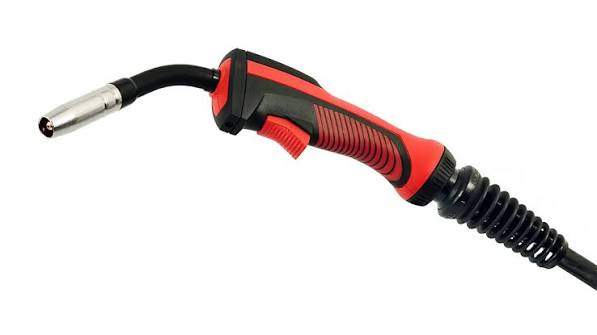
Although welding torch designs vary by process, several key components are common across most models. The handle provides a secure grip while housing electrical conductors or gas passages that transport energy to the welding tip. Modern ergonomic handles reduce fatigue during extended welding sessions, allowing operators to maintain greater control and accuracy throughout demanding projects.
The nozzle directs shielding gas or flame toward the weld area while protecting internal torch components from excessive heat. Contact tips, commonly found on MIG torches, transfer electrical current to the welding wire before it reaches the arc. In TIG welding, a ceramic cup surrounds the tungsten electrode and controls shielding gas coverage, ensuring proper protection of the molten weld pool from atmospheric contamination.
Cooling systems are another essential feature, particularly in industrial welding environments. Air-cooled welding torches dissipate heat naturally through surrounding air and are commonly used for light to medium-duty applications. Water-cooled torches circulate coolant through internal passages, allowing operators to weld continuously at higher amperage levels without overheating the equipment. Proper cooling extends component life while improving operator comfort during prolonged use.
Choosing the Right Welding Torch for Your Needs
Selecting the best welding torch depends on the type of welding process being performed. A fabrication shop producing structural steel components typically benefits from a durable MIG welding torch capable of handling continuous production. Precision welders working with thin stainless steel or aluminum often require a TIG torch that offers excellent arc control and superior weld appearance. Matching the torch to the intended welding process is essential for achieving consistent results.
Material thickness also influences torch selection. Heavy industrial fabrication may require high-amperage torches with water-cooling systems capable of handling extended operation. Smaller repair shops and hobbyists generally find air-cooled torches sufficient because they are lighter, simpler, and less expensive to maintain. Understanding expected duty cycles helps ensure the selected torch performs reliably without excessive wear or overheating.
Comfort and compatibility should never be overlooked. A well-balanced welding torch with an ergonomic grip reduces operator fatigue during long workdays. Buyers should also ensure compatibility with their welding machine, consumables, shielding gases, and replacement parts. Choosing equipment from reputable manufacturers helps guarantee reliable performance, readily available service components, and long-term durability.
Welding Torch Safety and Best Practices
Safety is one of the most important aspects of using any welding torch. Welding generates intense heat, ultraviolet radiation, sparks, molten metal, and potentially hazardous fumes that require appropriate protective measures. Welders should always wear approved helmets with suitable shade lenses, flame-resistant clothing, leather gloves, and protective footwear designed specifically for welding environments.
Proper ventilation is equally critical. Welding fumes can contain harmful particles depending on the base metal, filler material, coatings, and shielding gases involved. Working in well-ventilated areas or using local exhaust ventilation helps reduce exposure to airborne contaminants while improving overall workplace safety. Confined space welding requires additional precautions to ensure adequate oxygen levels and safe atmospheric conditions.
Safe equipment handling also prevents accidents and extends torch life. Gas hoses, electrical cables, regulators, and fittings should be inspected regularly for damage before each use. Cylinders must remain securely fastened to prevent tipping, while ignition sources should always be controlled around fuel gases. Following manufacturer recommendations and established welding safety standards helps reduce risks while promoting efficient, professional welding practices.
Maintaining a Welding Torch for Long-Term Performance
Routine maintenance plays a vital role in ensuring reliable welding performance and extending equipment lifespan. After each welding session, operators should inspect nozzles, contact tips, gas diffusers, and electrodes for signs of wear, spatter buildup, or damage. Cleaning these components regularly helps maintain stable arc characteristics and consistent shielding gas flow, reducing the likelihood of weld defects.
Consumable replacement is another important aspect of preventive maintenance. Contact tips gradually wear as welding wire passes through them, while tungsten electrodes may require sharpening or replacement after contamination. Replacing worn consumables before performance declines helps maintain arc stability, improve weld quality, and reduce unnecessary downtime during production.
Cooling systems also require regular attention. Air passages should remain clean and unobstructed, while water-cooled torches require periodic inspection for leaks, coolant flow, and hose integrity. Electrical connections must remain tight and corrosion-free to ensure safe current transfer. Establishing a consistent maintenance schedule protects equipment investments while minimizing costly repairs.
Common Welding Torch Problems and Troubleshooting
Even high-quality welding torches occasionally develop performance issues due to heavy use or inadequate maintenance. One of the most common problems involves unstable arc performance, which may result from worn contact tips, contaminated electrodes, loose electrical connections, or improper machine settings. Identifying these issues early helps restore consistent welding quality while preventing further equipment damage.
Shielding gas problems can also affect weld appearance and strength. Damaged gas hoses, clogged nozzles, leaking fittings, or incorrect gas flow rates may introduce atmospheric contamination into the weld pool. Symptoms such as excessive spatter, porosity, discoloration, or weak welds often indicate insufficient shielding gas coverage. Regular inspection of gas delivery systems helps prevent these common defects.
Torch overheating represents another frequent concern, particularly during high-duty-cycle applications. Excessive heat may indicate overloaded equipment, restricted cooling airflow, inadequate coolant circulation, or worn consumable components. Addressing overheating promptly protects internal torch components while improving operator comfort and maintaining safe working conditions throughout demanding welding projects.
Innovations in Welding Torch Technology
Modern welding torch technology continues to advance in response to growing demands for productivity, precision, and energy efficiency. Manufacturers now design torches with lighter composite materials that reduce operator fatigue without sacrificing durability. Improved ergonomic handles, flexible cable assemblies, and optimized weight distribution allow welders to maintain greater control during intricate fabrication work.
Digital integration has also influenced welding equipment development. Some advanced welding systems communicate directly with compatible torches, allowing automatic parameter adjustment, real-time performance monitoring, and enhanced process control. These technologies help reduce operator error while improving weld consistency across production environments where repeatability is essential.
Environmental considerations are shaping the future of welding equipment as well. Manufacturers increasingly focus on energy-efficient power delivery, longer-lasting consumables, recyclable materials, and reduced maintenance requirements. Improved cooling technologies and optimized shielding gas efficiency contribute to lower operating costs while supporting sustainable manufacturing practices across numerous industries.
Conclusion
A welding torch is far more than a simple handheld tool—it is the foundation of safe, precise, and efficient metal joining across countless industries. Whether using MIG, TIG, oxy-fuel, or plasma technology, selecting the appropriate torch directly influences weld quality, productivity, equipment reliability, and workplace safety. Understanding torch construction, cooling systems, consumable components, and application-specific features allows welders to make informed decisions that support long-term success.
Equally important are proper maintenance and responsible operating practices. Regular inspection, timely replacement of worn consumables, careful cleaning, and adherence to established safety procedures help maximize equipment lifespan while ensuring consistent welding performance. Investing in a high-quality welding torch from a trusted manufacturer often results in greater efficiency, reduced downtime, and lower long-term operating costs.
As welding technology continues to evolve, modern torches offer better ergonomics, improved cooling, enhanced precision, and greater energy efficiency than ever before. Whether you are equipping a professional fabrication shop, an automotive repair facility, or a personal workshop, choosing the right welding torch and maintaining it properly will provide dependable performance, superior weld quality, and lasting value for years to come.
