

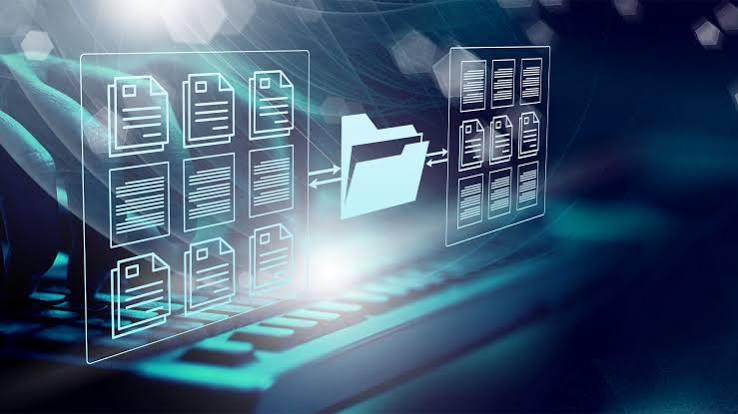
In today’s digital world, businesses and individuals generate enormous amounts of sensitive information every day. Customer records, financial documents, employee files, intellectual property, medical records, and confidential business data are stored on computers, hard drives, solid-state drives, servers, smartphones, and cloud-connected devices. While organizations often invest heavily in cybersecurity to protect active data, many overlook what happens when storage devices reach the end of their lifecycle. This is where secure data destruction becomes essential.
,Secure data destruction, is the process of permanently eliminating information from physical and digital storage media so it cannot be recovered, reconstructed, or misused. Simply deleting files or formatting a drive does not completely erase data. In many cases, specialized recovery software can restore deleted information unless approved destruction methods are used. Proper data destruction protects organizations from data breaches, identity theft, regulatory penalties, financial losses, and reputational damage.
This comprehensive guide explains secure data destruction, why it matters, the most effective destruction methods, industry standards, legal compliance, best practices, and how organizations can safely dispose of sensitive information while maintaining complete confidence that confidential data remains permanently inaccessible.
Understanding Secure Data Destruction
Secure data destruction refers to permanently removing information from storage devices using methods that prevent future recovery. The process applies to both digital storage media and physical documents containing confidential information. Businesses handling customer data, financial records, healthcare information, government files, or proprietary business documents rely on secure destruction to maintain privacy and regulatory compliance.
Many people mistakenly believe deleting files or emptying a recycle bin permanently removes information. In reality, these actions often remove only the file references while leaving the underlying data intact until overwritten. Skilled technicians using specialized recovery tools may retrieve deleted information from improperly erased devices, creating significant security risks if equipment is resold, donated, recycled, or discarded.
Modern secure data destruction includes multiple techniques depending on the storage medium involved. Hard disk drives, solid-state drives, magnetic tapes, smartphones, servers, USB drives, memory cards, and paper records all require different destruction methods to ensure complete data elimination.
Why Secure Data Destruction Is More Important Than Ever
Organizations today collect more digital information than ever before. Customer databases, employee records, payment information, contracts, emails, cloud backups, and confidential communications accumulate rapidly across multiple storage systems. As businesses replace aging hardware with newer technology, properly disposing of retired equipment becomes a critical component of cybersecurity.
Failure to destroy sensitive information securely can result in serious consequences. Data breaches involving discarded storage devices have exposed millions of confidential records worldwide, leading to financial losses, legal action, identity theft, and long-term reputational damage. Even a single improperly discarded hard drive can contain years of valuable business information accessible to unauthorized individuals.
Growing privacy regulations have further increased the importance of secure data destruction. Governments around the world now require organizations to protect personal information throughout its entire lifecycle, including final disposal. Secure destruction demonstrates responsible information management while reducing legal and financial risks associated with data exposure.
Common Storage Devices That Require Secure Destruction
Secure data destruction extends far beyond desktop computers. Organizations store confidential information across a wide variety of devices including laptops, servers, external hard drives, solid-state drives, smartphones, tablets, USB flash drives, backup tapes, network storage systems, and multifunction printers equipped with internal storage. Every device capable of retaining information represents a potential security risk if improperly discarded.
Paper documents remain equally important despite digital transformation. Financial statements, contracts, legal files, personnel records, customer applications, and printed medical information frequently contain highly sensitive data. Secure document destruction through industrial shredding helps prevent unauthorized access while supporting privacy compliance.
Cloud infrastructure also requires careful attention. Although cloud providers manage physical hardware, organizations remain responsible for understanding how digital information is deleted, retained, archived, and permanently removed according to contractual agreements and applicable regulations. Effective data lifecycle management includes both on-premises and cloud-based environments.
Methods Used for Secure Data Destruction
Several proven methods exist for permanently eliminating sensitive information, each designed for specific storage technologies. Data wiping, sometimes called secure erasure, overwrites existing information with new data multiple times or follows certified erasure standards to prevent recovery. This approach allows storage devices to remain reusable while ensuring previous information cannot be reconstructed when performed correctly.
Physical destruction permanently disables storage media by shredding, crushing, disintegrating, pulverizing, or drilling through critical components. Industrial shredders reduce hard drives, solid-state drives, optical media, and electronic devices into small fragments that cannot be reassembled. This method provides high confidence that stored information has been permanently destroyed.
Degaussing is another specialized destruction technique used primarily for magnetic storage media such as traditional hard drives and backup tapes. Powerful magnetic fields eliminate stored data by disrupting magnetic patterns. Because degaussing typically renders equipment unusable, organizations often combine this method with physical destruction for additional security.
Industry Standards and Regulatory Compliance
Secure data destruction should follow recognized industry standards rather than relying on informal procedures. Internationally accepted guidelines establish recommended methods for sanitizing different storage technologies while ensuring information cannot be recovered through commercially available forensic techniques. These standards help organizations develop consistent destruction policies aligned with current security practices.
Many industries operate under strict privacy regulations governing sensitive information. Healthcare organizations protect patient records, financial institutions safeguard banking information, government agencies secure classified materials, and businesses handling consumer data must comply with privacy legislation. Proper data destruction supports compliance by demonstrating responsible handling of confidential information throughout its lifecycle.
Documentation also plays an important role in regulatory compliance. Certificates of destruction, chain-of-custody records, inventory logs, and audit documentation provide evidence that sensitive information has been securely eliminated according to established procedures. These records support internal governance while demonstrating accountability during regulatory inspections.
Choosing a Professional Secure Data Destruction Service
Many organizations partner with specialized secure data destruction providers because professional services offer expertise, certified processes, secure transportation, and comprehensive documentation. Experienced providers understand the unique requirements associated with different storage technologies while maintaining strict security controls throughout the destruction process.
Chain of custody is one of the most important considerations when selecting a provider. Secure transportation, controlled handling procedures, documented asset tracking, and monitored destruction facilities help prevent unauthorized access before final destruction occurs. Many providers also offer witnessed destruction services, allowing customers to observe the process directly.
Professional certifications, employee background screening, facility security measures, environmental practices, and transparent reporting further distinguish reputable destruction companies. Organizations should select providers capable of meeting both operational requirements and applicable regulatory obligations while maintaining complete confidentiality.
Secure Data Destruction and Environmental Responsibility
Responsible data destruction extends beyond security by supporting environmentally sustainable electronic waste management. Computers, servers, storage devices, smartphones, and networking equipment contain valuable materials including aluminum, copper, steel, plastics, and precious metals that can often be recovered through certified recycling programs after sensitive information has been securely removed or destroyed.
Certified electronics recycling facilities separate reusable materials while ensuring storage devices containing confidential information receive appropriate destruction before recycling begins. This process reduces landfill waste, conserves natural resources, and supports responsible environmental stewardship without compromising information security.
Businesses increasingly incorporate sustainable disposal practices into broader environmental, social, and governance initiatives. Combining secure data destruction with responsible electronics recycling demonstrates commitment to both cybersecurity and environmental responsibility, strengthening corporate reputation while reducing ecological impact.
Best Practices for Building a Secure Data Destruction Policy
Every organization benefits from establishing a formal secure data destruction policy covering the entire information lifecycle. The policy should define data retention requirements, storage media inventories, approved destruction methods, employee responsibilities, vendor management procedures, and documentation requirements. Clear guidelines reduce uncertainty while promoting consistent security practices across departments.
Employee education remains equally important because human error frequently contributes to improper data disposal. Staff members responsible for equipment replacement, records management, information technology, and facilities management should understand organizational procedures and recognize the importance of protecting sensitive information until destruction is complete.
Regular audits help verify policy effectiveness. Reviewing destruction records, confirming inventory accuracy, evaluating vendor performance, and assessing compliance with evolving regulations allows organizations to identify improvement opportunities before security weaknesses develop. Continuous evaluation strengthens long-term information governance.
The Future of Secure Data Destruction
Technology continues evolving rapidly, creating new challenges for secure data destruction. Solid-state drives, cloud computing, virtual environments, encrypted storage, Internet of Things devices, and artificial intelligence systems introduce increasingly complex information management requirements. Organizations must continually adapt destruction procedures to address emerging storage technologies while maintaining strong security standards.
Encryption has become an important complement to secure destruction because encrypted information remains unreadable without appropriate keys. However, encryption alone does not eliminate the need for proper destruction when storage devices reach end-of-life. Combining encryption with certified destruction methods provides multiple layers of protection throughout the data lifecycle.
Future advancements will likely include more sophisticated verification technologies, automated asset tracking, improved destruction equipment, and enhanced compliance reporting. As cyber threats continue evolving, secure data destruction will remain an essential component of comprehensive information security programs across every industry.
Conclusion
Secure data destruction is one of the most important yet often overlooked aspects of modern information security. Permanently eliminating sensitive information from hard drives, solid-state drives, servers, mobile devices, paper documents, and other storage media protects organizations from data breaches, identity theft, financial losses, and regulatory penalties. Simply deleting files or formatting storage devices is rarely sufficient to prevent unauthorized recovery, making certified destruction methods essential for safeguarding confidential information.
Whether organizations choose secure data wiping, physical destruction, degaussing, or a combination of approved techniques, following recognized industry standards ensures sensitive information remains permanently inaccessible. Working with qualified destruction providers, maintaining complete documentation, and integrating secure disposal into broader cybersecurity strategies strengthens both regulatory compliance and organizational trust.
As businesses continue generating increasing amounts of digital information, secure data destruction will become even more critical. Organizations that establish clear destruction policies, educate employees, partner with reputable service providers, and prioritize responsible information lifecycle management will be better positioned to protect valuable data, maintain customer confidence, and support long-term operational security in an increasingly connected world.
