

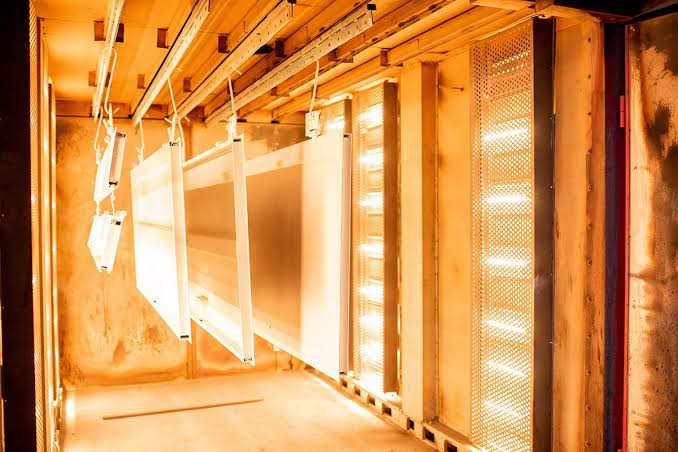
Powder coating has become one of the most reliable and environmentally friendly finishing methods used across manufacturing, automotive, aerospace, construction, furniture, and metal fabrication industries. At the heart of every successful powder coating process is the powder coating oven, a specialized curing system designed to heat coated parts to precise temperatures, allowing the powder to melt, flow, and chemically cure into a durable protective finish. Without proper curing, even the highest-quality powder coating cannot achieve its intended appearance, adhesion, or long-term performance.
Modern powder coating ovens are engineered to deliver consistent temperature distribution, energy efficiency, and dependable performance for businesses of all sizes. Whether used in a small fabrication shop or a large industrial production line, these ovens play a critical role in producing coatings that resist corrosion, chemicals, UV exposure, abrasion, and everyday wear. Advances in heating technology, airflow design, insulation, and digital controls have made today’s curing ovens more efficient, accurate, and cost-effective than ever before.
Understanding how a powder coating oven works, what features matter most, and how to maintain optimal curing conditions can significantly improve coating quality while reducing production costs. This comprehensive guide explains everything you need to know about powder coating ovens, including their operation, types, key components, curing process, energy efficiency, maintenance, safety practices, and factors to consider before purchasing one.
What Is a Powder Coating Oven and Why Is It Important?
A powder coating oven is a specially designed industrial heating chamber used to cure powder-coated parts after the electrostatic powder application process. Once the dry powder has been evenly sprayed onto a grounded metal surface, the coated part is transferred into the curing oven, where controlled heat melts the powder particles into a smooth, continuous film. During this curing stage, chemical cross-linking occurs, creating a durable and highly resistant finish.
Unlike conventional paint drying ovens, powder coating ovens are designed to maintain extremely consistent temperatures throughout the curing chamber. Uniform heat distribution ensures that every surface of the coated component reaches the required curing temperature without overheating or under-curing. This consistency is essential for achieving proper gloss, color uniformity, hardness, impact resistance, and long-term durability.
The quality of the curing process directly influences the final performance of the coating. Improper curing can result in poor adhesion, inconsistent texture, reduced corrosion resistance, discoloration, or premature coating failure. For this reason, the curing oven is considered one of the most important pieces of equipment in any powder coating system.
How the Powder Coating Curing Process Works
The powder coating process begins with thorough surface preparation, which typically includes cleaning, degreasing, rinsing, and sometimes abrasive blasting or chemical pretreatment. Proper surface preparation removes contaminants that could interfere with coating adhesion. Once cleaned, the metal component receives an electrostatically charged powder coating that adheres evenly to the grounded surface before curing.
After application, the coated part enters the powder coating oven. As the temperature rises, the powder particles first melt and begin flowing together to create a smooth coating. Continued heating initiates a chemical reaction known as cross-linking, where the resin molecules bond together into a solid, durable protective layer. This curing process transforms loose powder into a hard, attractive finish with exceptional mechanical and chemical properties.
Each powder formulation has a recommended curing schedule based on metal temperature rather than simply oven air temperature. Manufacturers specify both curing temperature and required dwell time to ensure complete curing. Maintaining these conditions consistently helps maximize coating performance while preventing defects caused by excessive or insufficient heat exposure.
Types of Powder Coating Ovens Used in Industry
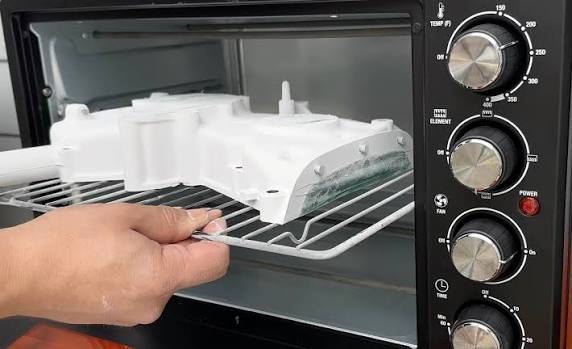
Powder coating ovens are available in several configurations to accommodate different production volumes, part sizes, and manufacturing requirements. Batch ovens are among the most common solutions for small to medium-sized operations. These ovens allow operators to load parts into a stationary chamber where curing occurs before unloading. Batch ovens offer flexibility for handling custom work, prototypes, and varying product dimensions.
Continuous conveyor ovens are widely used in high-volume manufacturing environments where coated parts move through the curing chamber on an automated conveyor system. This design supports efficient production flow while maintaining consistent curing conditions across large numbers of components. Automated temperature controls and conveyor speeds help optimize throughput without compromising coating quality.
Specialized powder coating ovens are also available for oversized fabricated structures, architectural components, heavy machinery, automotive frames, and industrial equipment. Custom-built ovens can accommodate unusually large dimensions while maintaining uniform airflow and temperature distribution. These systems often integrate with automated material handling equipment to improve production efficiency.
Key Components That Make a Powder Coating Oven Efficient
One of the most critical elements of a powder coating oven is its heating system. Depending on facility requirements, ovens may utilize natural gas, propane, diesel, electricity, or infrared heating technologies. Each heating method is designed to provide stable temperatures while minimizing energy consumption and supporting reliable curing performance.
Air circulation plays an equally important role in curing consistency. High-performance circulation fans distribute heated air evenly throughout the oven chamber, eliminating hot spots and cold zones that could affect coating quality. Proper airflow ensures every coated surface receives uniform heating regardless of part geometry or placement within the oven.
Modern powder coating ovens also feature advanced insulation materials that reduce heat loss and improve overall energy efficiency. Thick insulated wall panels help maintain stable operating temperatures while lowering fuel or electricity consumption. Digital control systems, programmable logic controllers, and temperature sensors further enhance performance by continuously monitoring curing conditions and automatically adjusting heating output as needed.
Choosing the Right Powder Coating Oven for Your Business
Selecting the right powder coating oven begins with understanding production requirements. Manufacturers should evaluate the size and weight of coated components, daily production volume, available floor space, desired throughput, and future expansion plans before choosing an oven configuration. Purchasing equipment that accommodates anticipated growth can help avoid costly upgrades later.
Heating source selection also affects long-term operating costs. Facilities with access to affordable natural gas often prefer gas-fired ovens because of lower energy expenses, while electric ovens may offer simpler installation and cleaner operation in certain environments. Infrared curing technology may be suitable for specific production applications requiring rapid heating and shorter curing cycles.
Temperature accuracy is another essential consideration. Reliable digital controllers, multiple temperature sensors, programmable curing profiles, and consistent airflow contribute to repeatable curing results. Buyers should also consider maintenance accessibility, replacement part availability, warranty coverage, and technical support when evaluating equipment manufacturers.
Energy Efficiency and Modern Powder Coating Oven Technology
Energy efficiency has become a major priority in industrial finishing operations as manufacturers seek to reduce operating expenses while improving sustainability. Modern powder coating ovens incorporate advanced insulation, variable-speed circulation fans, intelligent burner controls, and heat recovery systems that significantly reduce overall energy consumption without sacrificing curing performance.
Many newer ovens include programmable production modes that automatically adjust heating output according to workload. During periods of reduced production, these systems minimize fuel consumption while maintaining standby temperatures that allow rapid return to full operation. Smart control systems also collect operational data that helps identify opportunities for further efficiency improvements.
Improved airflow engineering has contributed to both energy savings and coating quality. Carefully designed ductwork and circulation systems distribute heated air more effectively, reducing temperature variation throughout the curing chamber. Consistent airflow allows manufacturers to achieve complete curing while avoiding unnecessary overheating that wastes energy and may negatively affect coating appearance.
Common Powder Coating Oven Problems and Maintenance Tips
Routine maintenance plays a critical role in maintaining consistent curing performance and extending equipment lifespan. Dust accumulation, clogged air filters, worn circulation fans, damaged insulation, and malfunctioning temperature sensors can all reduce curing efficiency. Regular inspections allow technicians to identify minor issues before they develop into costly equipment failures.
Temperature calibration should be performed periodically to verify that oven controls accurately reflect actual part temperatures. Using data loggers or temperature profiling equipment helps confirm that coated components reach the required curing conditions throughout the production cycle. Accurate calibration reduces the risk of under-cured or over-cured coatings that may compromise product quality.
Cleaning the oven interior also contributes to reliable operation. Excess powder buildup, dirt, and debris can interfere with airflow, contaminate coated products, or create unnecessary maintenance issues. Following manufacturer-recommended cleaning schedules helps preserve both equipment performance and coating consistency over the long term.
Safety Standards and Best Practices for Powder Coating Ovens
Industrial safety is a fundamental consideration when operating powder coating ovens because these systems generate high temperatures and often use combustible fuels. Proper installation should comply with applicable building codes, electrical regulations, fire safety standards, and manufacturer specifications. Adequate ventilation supports both operator safety and efficient combustion where gas-fired equipment is used.
Operators should receive thorough training on startup procedures, shutdown protocols, emergency controls, temperature monitoring, and routine maintenance tasks. Understanding safe operating practices reduces the likelihood of accidents while ensuring consistent curing quality throughout daily production. Personal protective equipment may also be necessary during maintenance or material handling operations.
Preventive inspections contribute significantly to workplace safety. Burners, gas connections, electrical wiring, door seals, circulation fans, and safety interlocks should be checked regularly for proper operation. Emergency shutoff systems and over-temperature protection devices provide additional safeguards that help prevent equipment damage and reduce operational risks.
Future Trends in Powder Coating Oven Technology
The powder coating industry continues evolving as manufacturers seek greater efficiency, automation, and environmental sustainability. Digital monitoring systems now provide real-time performance data that enables predictive maintenance, remote diagnostics, and automated process optimization. These technologies improve production reliability while reducing unexpected equipment downtime.
Automation is becoming increasingly common in modern finishing facilities. Robotic loading systems, conveyor integration, intelligent curing controls, and automated quality monitoring streamline production while reducing labor requirements. Smart manufacturing technologies also allow operators to analyze production metrics that support continuous improvement initiatives.
Environmental considerations continue influencing equipment design as manufacturers pursue lower emissions and reduced energy consumption. Improved burner technology, enhanced insulation materials, renewable energy integration, and advanced heat recovery systems contribute to more sustainable powder coating operations. These innovations help businesses reduce operating costs while supporting long-term environmental goals.
Conclusion
A powder coating oven is far more than a heating chamber—it is the foundation of a successful powder coating operation. By delivering precise temperature control, consistent airflow, and reliable curing conditions, these specialized ovens ensure that powder-coated finishes achieve their full strength, durability, corrosion resistance, and visual appeal. Whether serving a small fabrication workshop or a large-scale industrial production facility, selecting the right curing oven directly impacts product quality, production efficiency, and operating costs.
As powder coating technology continues to advance, modern ovens are becoming smarter, more energy-efficient, and easier to maintain. Businesses that invest in high-quality equipment, follow proper maintenance schedules, and maintain accurate curing conditions can consistently produce premium finishes that meet demanding industry standards. With growing emphasis on sustainability, automation, and manufacturing efficiency, powder coating ovens will remain an essential component of industrial finishing processes for years to come, delivering reliable performance and exceptional coating results across countless applications.
