

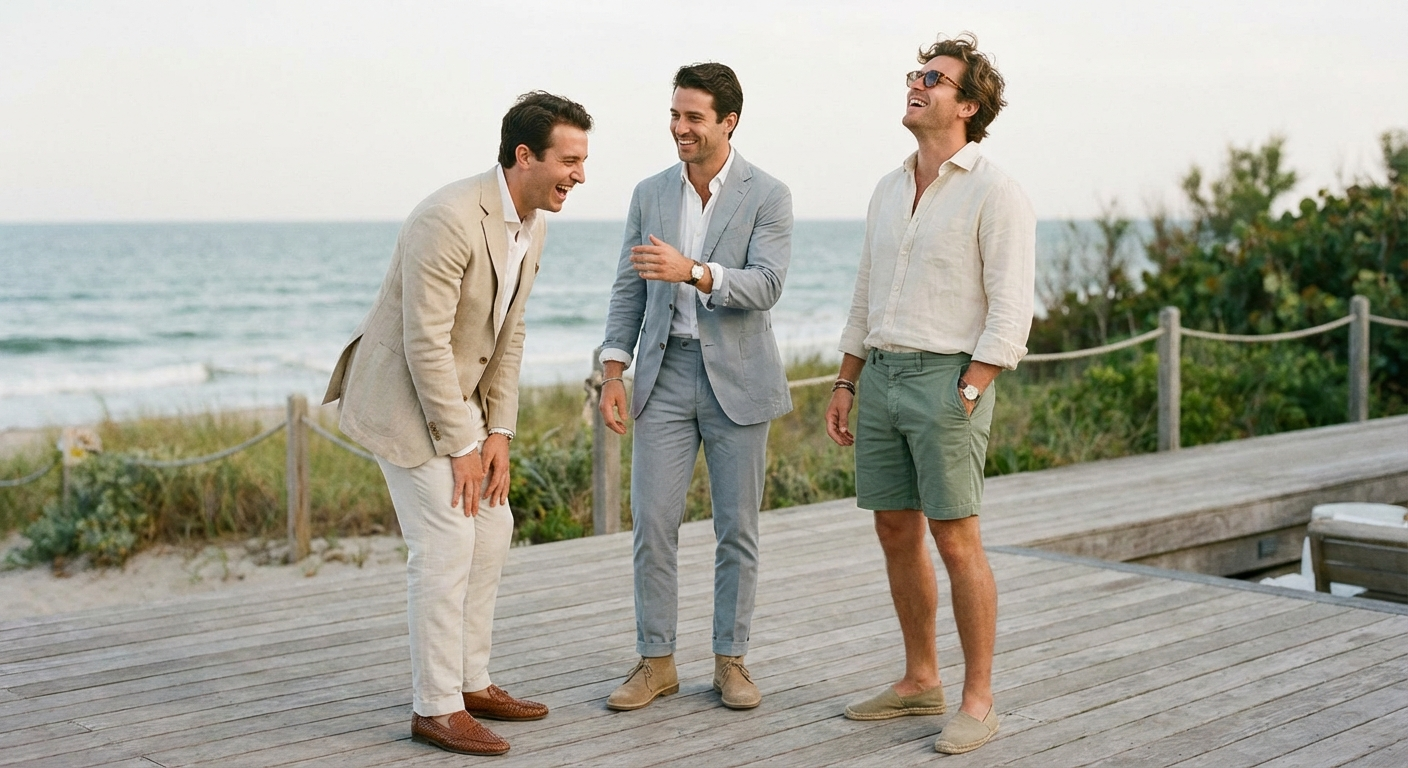
Cocktail attire is one of the most popular dress codes for weddings, parties, receptions, dinners, celebrations, and other social events. It sits between casual and highly formal clothing, giving guests enough freedom to express their personal style while still looking polished and well dressed. Although the term sounds simple, many people are unsure about what cocktail attire actually means, what to wear, which colors work best, and how formal an outfit should be.
The good thing about cocktail attire is its flexibility. Women can choose from cocktail dresses, midi dresses, elegant jumpsuits, tailored separates, or sophisticated skirts and tops. Men can usually wear a well-fitted suit, dress shirt, tailored trousers, blazer, and polished shoes. The final choice depends on the event, venue, season, time of day, and instructions provided by the host.
Understanding cocktail attire does not mean following one strict fashion formula. Instead, it means learning how to create a balanced outfit that looks refined without becoming excessively formal. With the right clothing, footwear, accessories, colors, and fit, cocktail dressing can be both comfortable and stylish.
What Is Cocktail Attire?
Cocktail attire is a dress code that generally falls between semi-formal and formal dressing. It is more sophisticated than casual or everyday clothing but usually less formal than black-tie attire. The style is designed for occasions where guests are expected to make an effort with their appearance while still having room for individuality.
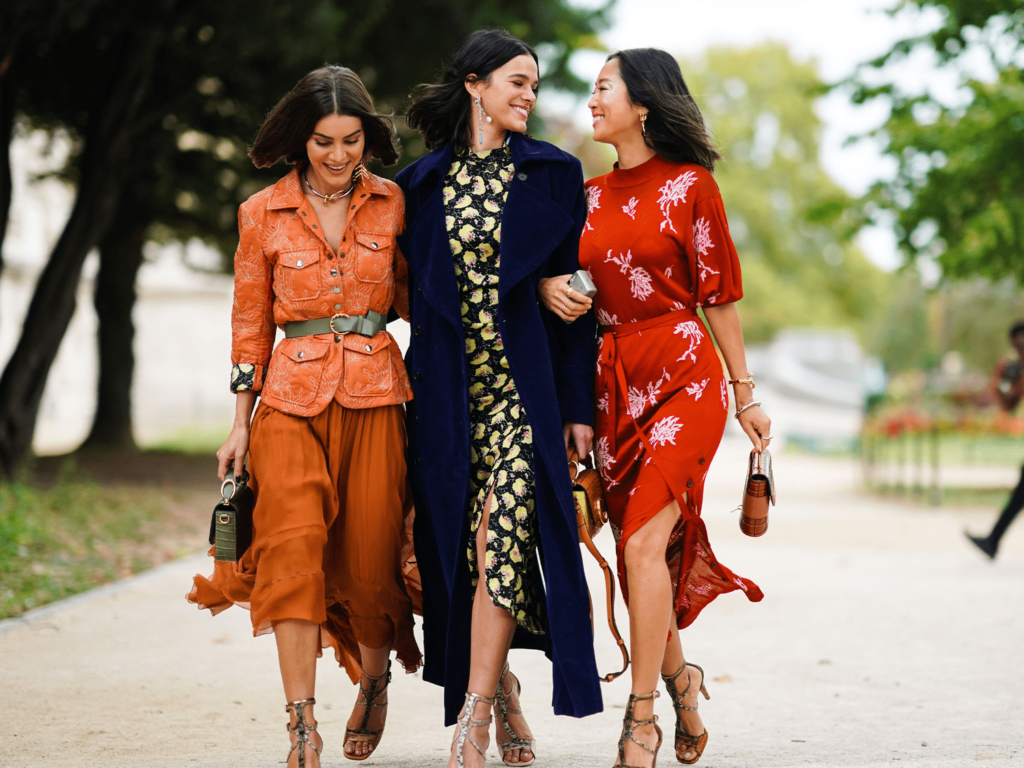
For women, cocktail attire often means a dress that is shorter than a traditional formal evening gown. Knee-length and midi dresses are especially versatile, although sophisticated shorter dresses can also work depending on the event. Elegant jumpsuits, tailored pantsuits, skirts, and dressy separates can also fit the modern interpretation of cocktail dressing.
For men, cocktail attire commonly involves a tailored suit, dress shirt, dress shoes, and sometimes a tie. A blazer with well-fitted dress trousers can work for a less formal cocktail gathering. The main objective is to look intentional, neat, and polished rather than overly casual or excessively formal.
| Field | Details |
|---|---|
| Dress Code | Cocktail Attire |
| ———– | ————– |
| Formality Level | Semi-formal to polished formal |
| —————- | ——————————- |
| Main Purpose | Weddings, parties, receptions, dinners, and social events |
| ———— | ——————————————————— |
| Women’s Options | Cocktail dresses, midi dresses, jumpsuits, and dressy separates |
| —————- | ————————————————————- |
| Men’s Options | Suits, dress shirts, tailored trousers, blazers, and dress shoes |
| ————– | ————————————————————- |
| Popular Fabrics | Satin, silk, chiffon, velvet, jacquard, crepe, and wool |
| ————— | ———————————————————– |
| Daytime Style | Lighter colors, breathable fabrics, floral patterns, and softer tailoring |
| ————- | ———————————————————————– |
| Evening Style | Darker colors, richer fabrics, elegant accessories, and sharper tailoring |
| ————- | ———————————————————————— |
| Wedding Attire | Polished outfits that are festive without being black-tie formal |
| ————– | ————————————————————— |
| Footwear | Dress shoes, loafers, heels, block heels, elegant flats, or dressy sandals |
| ——– | ———————————————————————— |
| Accessories | Jewelry, clutch bags, watches, ties, pocket squares, and refined belts |
| ———– | ——————————————————————— |
| Avoid | Jeans, shorts, athletic sneakers, flip-flops, graphic T-shirts, and overly casual clothing |
| —– | ————————————————————————————— |
| Main Goal | Look polished, comfortable, elegant, and appropriate for the specific occasion |
| ——— | ——————————————————————————- |
Cocktail Attire for Women
Cocktail attire for women offers many styling possibilities. The classic choice is a cocktail dress, but women are not limited to one particular length or silhouette. A sophisticated midi dress can create a timeless appearance, while a knee-length dress can feel more traditional and versatile. An elegant jumpsuit or tailored pantsuit can provide a modern alternative for someone who prefers not to wear a dress.
The fabric can have a major effect on how an outfit looks. Satin, silk, velvet, chiffon, crepe, jacquard, lace, and other refined materials can make a simple design appear more sophisticated. A clean silhouette in a beautiful fabric can often look more elegant than a heavily decorated outfit with too many details.
Color selection should also reflect the event. Soft pastels, floral patterns, brighter shades, and lighter neutrals can work beautifully for spring and summer celebrations. Navy, burgundy, emerald, plum, charcoal, deep red, and black can create an elegant appearance for evening occasions. At weddings, guests should be especially careful with white, ivory, or extremely bridal-looking colors unless the couple has specifically requested them.
Cocktail Attire for Men
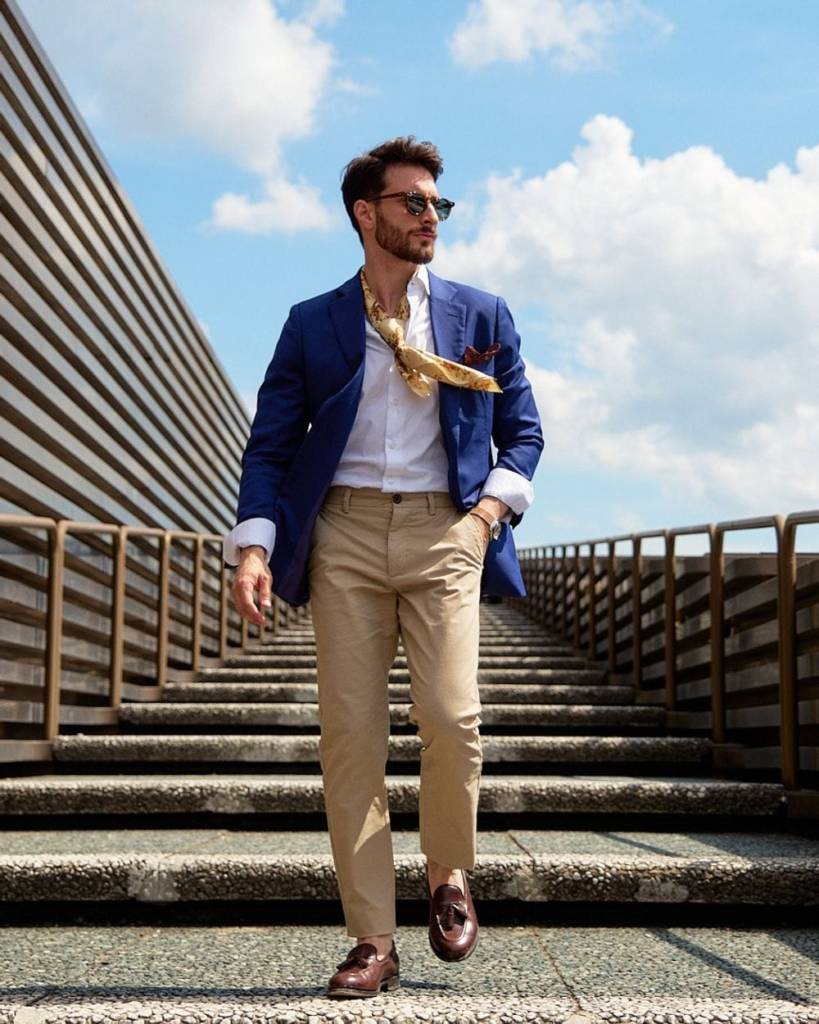
Cocktail attire for men traditionally begins with a well-fitted suit. Navy is one of the most versatile choices because it can work for daytime and evening events. Charcoal, gray, black, dark brown, and other sophisticated shades can also be appropriate depending on the occasion. The suit should fit properly at the shoulders, chest, sleeves, and trousers because good tailoring can make even a simple outfit look considerably more polished.
A dress shirt provides the foundation underneath the jacket. White and light blue are classic choices, while subtle patterns can add personality when appropriate. A tie is often a good choice for weddings, evening receptions, and upscale cocktail parties, although some modern events may allow an open collar when the atmosphere is relaxed.
Shoes should maintain the dressy character of the outfit. Oxford shoes, Derby shoes, polished loafers, and other refined leather footwear can work well. A coordinated belt, watch, pocket square, and tasteful tie can complete the appearance. The goal is not to add as many accessories as possible but to create a balanced outfit where every piece works together.
Cocktail Attire for Weddings
Cocktail attire is particularly common for weddings because it gives guests flexibility while maintaining a dressy atmosphere. Women can choose cocktail dresses, midi dresses, jumpsuits, or sophisticated separates, while men can generally choose a tailored suit or a blazer and dress-trouser combination. The wedding venue and time of day can help determine how formal the final outfit should be.
A daytime outdoor wedding can allow lighter colors, floral patterns, breathable fabrics, and more relaxed tailoring. A nighttime wedding at a hotel, banquet hall, or elegant restaurant may call for darker colors, richer fabrics, more structured clothing, and refined accessories. Outdoor celebrations also require practical footwear because guests may need to walk across grass, stone, sand, or other uneven surfaces.
Wedding guests should also remember that the couple’s instructions come first. If the invitation says formal cocktail, elegant cocktail, evening cocktail, or provides a specific color theme, those details should guide the outfit. Guests should generally avoid clothing that looks excessively casual, while also avoiding an outfit that is dramatically more formal than the event requires.
Daytime Cocktail Attire
Daytime cocktail attire tends to have a lighter and fresher appearance. Women can experiment with floral prints, pastel shades, colorful dresses, elegant jumpsuits, lightweight fabrics, and sophisticated skirts or trousers. The outfit should still look refined, but it does not necessarily need the darker colors or heavier textures often associated with evening events.
Men can adapt daytime cocktail dressing through lighter-colored suits and seasonal fabrics. Navy, light gray, beige, tan, and other understated colors can work well depending on the location. A textured blazer combined with tailored trousers can also create an attractive daytime cocktail appearance when the event is not extremely formal.
Footwear should be chosen according to both style and location. Women may prefer block heels, wedges, elegant flats, or dressy sandals for outdoor events. Men can select polished loafers or traditional dress shoes. Comfort becomes particularly important when an event lasts several hours or involves standing and walking.
Evening Cocktail Attire
Evening cocktail attire generally allows a more sophisticated and dramatic approach. Women can consider satin midi dresses, velvet cocktail dresses, elegant black dresses, jewel-toned outfits, sophisticated jumpsuits, and dresses with tasteful embellishments. Rich colors and luxurious textures can create an attractive evening appearance without requiring a full-length formal gown.
Men can move toward darker and more structured clothing for evening occasions. A navy, charcoal, or black suit paired with a crisp dress shirt and polished shoes provides a dependable foundation. A tie and pocket square can add a refined finishing touch, particularly when attending an upscale reception or formal cocktail party.
Accessories can also become slightly more noticeable in the evening. A statement necklace, elegant earrings, refined clutch, watch, cuff links, or tasteful tie can add personality. However, accessories should complement the outfit rather than overpower it. A sophisticated cocktail look usually benefits from balance and restraint.
Cocktail Attire by Season
Seasonal changes can significantly influence cocktail dressing. Spring and summer events generally provide more opportunities for lighter colors, breathable fabrics, floral patterns, and softer silhouettes. Women may choose chiffon, silk, lightweight satin, or elegant cotton blends, while men can explore lighter tailoring and seasonally appropriate colors.
Fall and winter cocktail attire can become richer and more textured. Velvet, heavier satin, wool, jacquard, crepe, and other substantial materials can provide warmth while maintaining a sophisticated appearance. Deep green, burgundy, navy, plum, chocolate, charcoal, and similar colors can work especially well for colder months.
The weather should always be considered alongside the dress code. A beautiful cocktail outfit that is uncomfortable because of extreme heat, cold, rain, or unsuitable footwear can make the event less enjoyable. Elegant outerwear, suitable fabrics, comfortable shoes, and practical accessories can help maintain the intended style while making the outfit easier to wear.
Cocktail Shoes and Accessories
Shoes are an important part of cocktail attire because they can change the overall level of formality. Women can choose heels, block heels, dressy sandals, elegant flats, or refined pumps. The best option depends on the outfit, venue, weather, and personal comfort. A polished flat can look just as sophisticated as a heel when it has the right shape and material.
Men have several classic options for cocktail events. Oxford shoes, Derby shoes, loafers, monk straps, and other polished dress shoes can complement a suit or tailored separates. The color of the footwear should coordinate with the clothing, while the shoes themselves should be clean and well maintained.
Accessories should finish the outfit rather than compete with it. Women can use a clutch, small handbag, earrings, bracelet, necklace, watch, or hair accessory. Men can consider a watch, pocket square, belt, tie, cuff links, or subtle lapel detail. Choosing a few coordinated accessories usually creates a cleaner appearance than using too many decorative pieces.
What Should You Avoid With Cocktail Attire?
One of the biggest mistakes with cocktail attire is dressing too casually. Jeans, shorts, graphic T-shirts, athletic clothing, flip-flops, beach sandals, and everyday sneakers generally do not create the polished appearance associated with this dress code. Even when the event has a relaxed atmosphere, the clothing should still look intentionally selected for the occasion.
Another mistake is going too far in the opposite direction. A tuxedo is generally associated with black-tie dressing, while an extremely elaborate evening gown may be more formal than a standard cocktail event requires. Cocktail attire gives you room to look elegant without necessarily dressing as though you are attending a highly formal gala.
Poor fit can also weaken an otherwise attractive outfit. Clothing that is excessively tight, very loose, wrinkled, damaged, or uncomfortable can make the entire look appear less polished. Proper tailoring, clean clothing, suitable footwear, and coordinated accessories are often more important than the price or brand of the clothing.
How to Choose the Perfect Cocktail Attire
Choosing the right cocktail attire begins with understanding the event. Look at the invitation, venue, time, season, weather, and type of celebration. A cocktail wedding at an elegant evening venue may require a more sophisticated interpretation than a daytime garden party. Understanding this context makes it much easier to choose suitable colors, fabrics, silhouettes, and accessories.
Once you understand the setting, select one main piece around which the outfit can be built. For women, this could be a cocktail dress, midi dress, jumpsuit, or tailored separates. For men, it could be a suit, blazer, dress trousers, and shirt. From there, choose shoes and accessories that maintain the same level of formality.
Finally, consider comfort and overall balance. Cocktail attire should allow you to sit, walk, socialize, eat, and enjoy the event without constantly adjusting your clothes. The strongest outfit is usually one that looks polished without appearing forced. When the fit, colors, fabrics, footwear, and accessories work together, the result feels naturally elegant.
Modern Cocktail Attire Trends
Modern cocktail attire has become more flexible than traditional interpretations. Women are increasingly able to choose tailored jumpsuits, wide-leg dress trousers, structured suits, asymmetric dresses, elegant midi silhouettes, and sophisticated separates. Men can also experiment with textured jackets, distinctive but tasteful suit colors, loafers, subtle patterns, and modern tailoring while maintaining a dressy appearance.
Personal style is an important part of contemporary cocktail dressing. Someone who prefers minimal fashion can create an elegant look with a simple black dress, delicate jewelry, and refined shoes. Another person might prefer a colorful printed dress, statement accessories, or a textured suit. Both approaches can work when the clothing remains appropriate for the event.
Modern style does not mean abandoning the principles of cocktail dressing. Fit, cleanliness, quality-looking materials, appropriate footwear, and coordination remain important. The goal is to adapt the traditional dress code to current fashion without making the outfit so casual that it loses its polished character.
Cocktail Attire: Final Guide
Cocktail attire is ultimately about finding the right balance between elegance, comfort, and occasion. It is dressier than casual clothing but generally more relaxed than black tie. Women have options ranging from cocktail and midi dresses to jumpsuits and tailored separates, while men can rely on suits, dress shirts, tailored trousers, blazers, and polished shoes.
The most important factor is the context of the event. A daytime celebration may call for lighter colors and fabrics, while an evening reception can support darker shades and richer textures. Seasonal conditions, venue, footwear, accessories, and the instructions provided by the host can all influence the final outfit.
When in doubt, choose clothing that is polished, well fitted, comfortable, and slightly more refined than your everyday style. Avoid overly casual pieces, pay attention to the venue, and use accessories to complete rather than overwhelm the outfit. With these principles in mind, cocktail attire becomes much easier to understand and can provide plenty of room for individual style while keeping the overall appearance elegant and appropriate.
