


Wedding dresses are one of the most important parts of a bride’s wedding day. The right dress can reflect personal style, complement the wedding setting, and help a bride feel comfortable and confident throughout the celebration. From traditional bridal gowns and elegant ball gowns to modern minimalist dresses and culturally inspired wedding outfits, today’s brides have more choices than ever before.
Choosing a wedding dresses can also feel overwhelming because there are many factors to consider. The silhouette, fabric, neckline, sleeve style, color, length, embellishments, and overall design can all change the appearance of a dress. A beautiful wedding dress is not simply about following the latest bridal fashion trend. It should also suit the bride’s personality, wedding venue, season, budget, and comfort.
Whether you are searching for a classic white wedding gown, a modern bridal dress, a modest wedding dress, or an elegant traditional outfit, understanding the different styles can make the shopping process much easier. With the right planning and a clear idea of what you want, finding a wedding dress can become one of the most enjoyable parts of preparing for your special day.
Wedding Dresses Quick Facts
| Category | Details |
|---|---|
| Main Topic | Wedding Dresses |
| Category | Bridal Fashion |
| Also Known As | Bridal Gowns, Wedding Gowns, Bridal Dresses |
| Main Purpose | Choosing an outfit for the wedding ceremony and celebration |
| Popular Styles | Ball Gown, A-Line, Mermaid, Sheath, Fit-and-Flare |
| Popular Necklines | Sweetheart, V-Neck, Square, Off-Shoulder, High Neck |
| Common Fabrics | Lace, Satin, Chiffon, Tulle, Crepe, Organza |
| Popular Colors | White, Ivory, Champagne, Blush |
| Best For | Brides, Civil Weddings, Traditional Weddings, Destination Weddings |
| Common Details | Beading, Embroidery, Sequins, Appliqué, Pearls |
| Shopping Options | Bridal Boutiques, Designers, Online Stores |
| Important Factors | Fit, Comfort, Budget, Venue, Season |
| Common Accessories | Veils, Belts, Gloves, Jewelry, Bridal Shoes |
| Popular Searches | Wedding Dresses, Bridal Dresses, Wedding Gowns, Modern Wedding Dresses |
Understanding Different Wedding Dress Styles
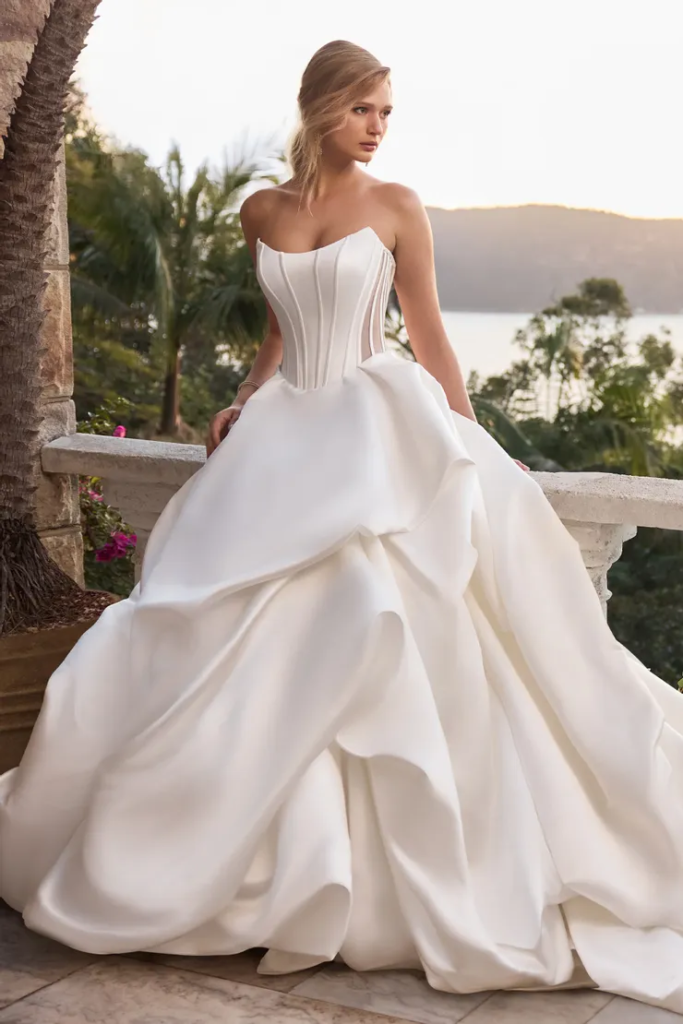
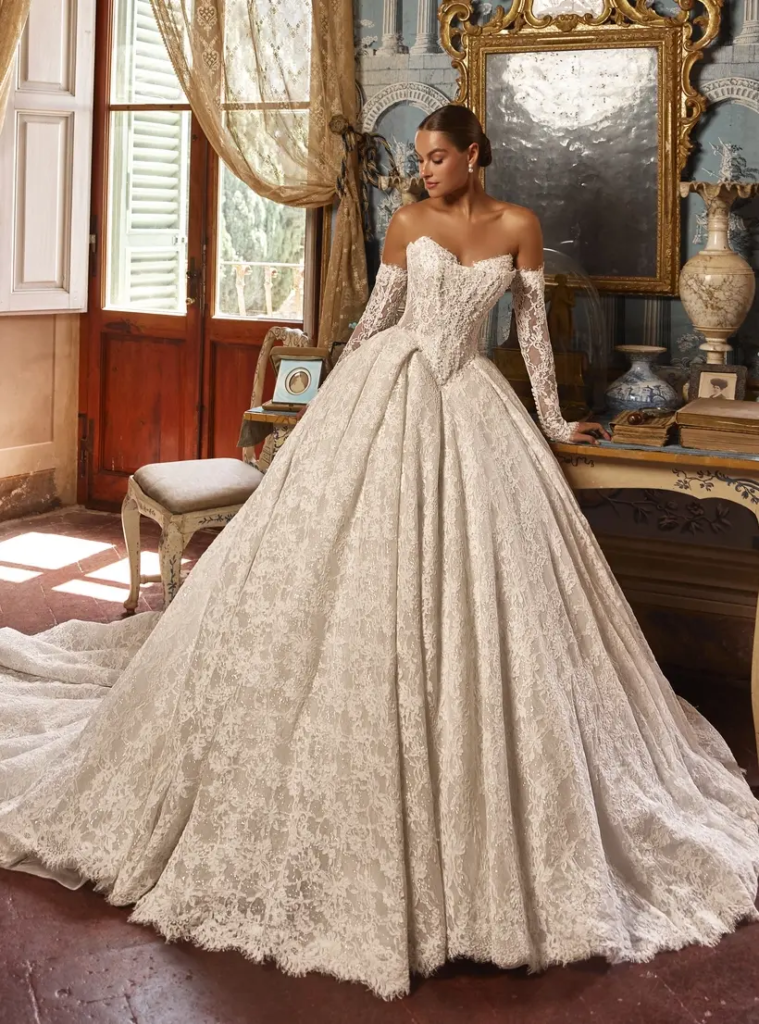
Wedding dresses come in many silhouettes, and understanding these shapes is one of the first steps toward finding a suitable bridal gown. An A-line wedding dress gradually widens from the waist toward the floor and is one of the most versatile choices. A ball gown has a fitted bodice with a fuller skirt, creating a traditional and dramatic bridal appearance. Mermaid and fit-and-flare styles follow the body more closely before widening toward the lower part of the dress.
Sheath wedding dresses have a narrow, streamlined shape and can create a simple and elegant appearance. They are often associated with modern bridal fashion because of their clean lines. Fit-and-flare dresses provide more shape while still allowing additional movement toward the bottom. Each silhouette creates a different visual effect, so brides should consider the overall style they want rather than selecting a dress simply because it looks fashionable on someone else. wedding dresses.
The structure of the dress should also work with the wedding itself. A large ball gown may feel natural in a formal ballroom or grand venue, while a simple sheath dress can be suitable for a smaller ceremony or modern city wedding. An A-line gown can work across many settings because it combines traditional elegance with relatively simple structure. Trying different silhouettes in person can help a bride discover which shape feels comfortable and natural.
Popular Wedding Dress Necklines and Sleeves
The neckline can dramatically change the appearance of a wedding dress. Sweetheart necklines create a curved shape and are commonly associated with romantic bridal designs. V-neck wedding dresses create a longer visual line, while square necklines offer a structured and elegant appearance. High-neck wedding gowns can provide a more modest and sophisticated look, while off-shoulder designs create a softer and more contemporary style. wedding dresses.
Sleeves provide another way to personalize a bridal dress. Long sleeves can create an elegant and traditional appearance, especially for formal or cooler-season weddings. Short sleeves and cap sleeves offer lighter coverage, while off-the-shoulder sleeves can create a romantic appearance. Detachable sleeves have also become a useful option for brides who want to change their look during the wedding day. wedding dresses.
When choosing a neckline and sleeve design, comfort should be considered alongside appearance. A dress may look beautiful in a photograph but feel restrictive after several hours of wearing it. Brides should move their arms, sit down, walk around, and consider how the dress will feel during the ceremony, photographs, dinner, and dancing. A wedding dress should allow the bride to enjoy the celebration rather than constantly requiring adjustments.
Choosing the Right Wedding Dress Fabric
The fabric of a wedding dress affects its appearance, movement, weight, and overall feel. Satin is known for its smooth surface and elegant shine, making it suitable for formal bridal gowns. Lace can add texture and intricate detail, while tulle creates a lightweight and soft appearance that is often used in layered skirts and veils. Chiffon is another lightweight fabric that can work particularly well for flowing and relaxed bridal styles. wedding dresses.
Crepe offers a smooth, relatively structured appearance and is often used in modern minimalist wedding dresses. Organza has a crisp and lightweight quality that can create structure without making a gown appear excessively heavy. Designers may also combine multiple fabrics within the same dress, such as lace over satin or tulle layered over another material. wedding dresses.
The wedding season and venue can influence fabric selection. Lightweight materials may be more comfortable for warm-weather weddings, while heavier fabrics can feel appropriate during cooler months. A formal indoor ceremony may suit structured fabrics and elaborate detailing, whereas a beach or outdoor wedding may benefit from a lighter and more fluid dress. Choosing fabric based on both appearance and practical comfort can make the wedding day much easier.
Modern Wedding Dresses and Bridal Fashion Trends
Modern wedding dresses increasingly combine traditional bridal details with contemporary designs. Minimalist wedding gowns with clean lines, simple silhouettes, and limited embellishment are popular among brides who prefer understated elegance. Some modern designs focus on the cut and quality of the fabric instead of heavy decoration, creating a refined appearance that can remain stylish beyond a single fashion season. wedding dresses.
Another modern approach is the use of unique details such as dramatic sleeves, statement backs, detachable skirts, oversized bows, subtle sparkle, or unusual necklines. Bridal separates and two-piece wedding outfits can also offer flexibility for brides who want something different from a traditional one-piece gown. These options can make it easier to change the overall look between the ceremony and reception. wedding dresses.
Although wedding dress trends can provide inspiration, brides do not need to follow every trend. A timeless gown may remain appealing for many years and can look beautiful in wedding photographs long after the ceremony. Looking at current bridal fashion can help identify ideas, but personal taste should remain the foundation of the final decision.
Traditional and Cultural Wedding Dresses
Wedding clothing has deep cultural meaning in many parts of the world. Traditional bridal outfits can include distinctive colors, fabrics, embroidery, jewelry, and silhouettes that reflect family heritage and cultural customs. In South Asian weddings, for example, brides may wear lehengas, shararas, ghararas, sarees, or heavily embroidered bridal outfits depending on regional and family traditions. wedding dresses.
Red has traditionally been an important bridal color in many South Asian wedding celebrations, although modern brides increasingly explore shades such as maroon, pink, gold, ivory, pastel, and deep jewel tones. Intricate embroidery, zari work, sequins, beads, and traditional motifs can create elaborate bridal designs that are visually striking and culturally meaningful. wedding dresses.
Other cultures have their own distinctive bridal traditions. Some brides choose to wear a traditional outfit for the ceremony and change into a contemporary dress for the reception. Combining cultural elements with modern bridal fashion can create a personalized look while maintaining an important connection to family traditions. The most meaningful choice is often one that feels authentic to the bride and the celebration.
How to Choose a Wedding Dress for Your Body and Comfort
Finding a flattering wedding dress is not about following a strict body-shape rule. Every bride has different preferences, and the most important factor is how the dress makes her feel. Some brides prefer fitted silhouettes, while others feel more comfortable in flowing skirts. Trying several styles can reveal that a dress that looked uninteresting on a hanger may become surprisingly attractive once it is worn. wedding dresses.
Comfort should be treated as an important part of bridal fashion. Brides may spend many hours wearing their wedding dress, including during photographs, ceremonies, meals, greetings, and dancing. The dress should allow reasonable movement and should not create unnecessary pressure around the shoulders, waist, or chest. Proper alterations can also make a major difference in the overall fit. wedding dresses.
The wedding dress should also work with the bride’s shoes and accessories. The hemline may need adjustment depending on the height of the bridal shoes, while the neckline can influence the type of jewelry that works best. A professional fitting can help ensure that the gown sits correctly and remains comfortable throughout the day.
Wedding Dress Shopping and Budget Planning
Planning a wedding dress budget before shopping can save time and reduce stress. Bridal gowns can range from relatively affordable options to highly customized designer creations. The price may depend on the designer, fabric, construction, embroidery, embellishment, customization, and amount of handwork involved. It is also important to remember that the initial dress price may not include alterations, accessories, or preservation.
Brides should begin shopping early enough to allow time for ordering and alterations. Custom or made-to-order dresses can require additional preparation, while ready-to-wear gowns may be available more quickly. Starting early also gives a bride enough time to compare different styles without feeling pressured into making a decision.
When visiting bridal boutiques, it can help to have a general idea of the desired style but remain open to professional suggestions. A bridal consultant may introduce silhouettes or fabrics that the bride had not previously considered. Taking a small group of trusted people can also be useful, but bringing too many opinions can make the decision more difficult. The final choice should ultimately belong to the person wearing the dress.
Wedding Dress Accessories and Final Styling
Accessories can completely change the appearance of a wedding dress. A veil is one of the most traditional bridal accessories and comes in many lengths and styles. Shorter veils can create a modern appearance, while longer cathedral-style veils can add drama to a formal gown. Some brides choose to skip the veil entirely and wear a decorative hairpiece, tiara, flowers, or another accessory.
Jewelry should complement rather than compete with the dress. A detailed gown may look best with relatively simple jewelry, while a minimalist wedding dress can provide more freedom for statement earrings, necklaces, or bracelets. Bridal shoes should also combine style with comfort because the bride may spend much of the day standing and walking.
Other accessories include bridal belts, gloves, hair accessories, shawls, capes, and detachable overskirts. These pieces can allow a bride to create different looks throughout the wedding day. A dramatic ceremony veil might be removed for the reception, while a detachable skirt or sleeves can transform the gown without requiring a completely different dress.
Wedding Dresses for Different Wedding Venues
The wedding venue can have a major influence on the most practical dress style. A formal ballroom wedding may suit a dramatic ball gown, cathedral-length veil, and elaborate embellishments. A garden wedding can work beautifully with floral details, flowing fabrics, lace, and softer silhouettes. The surroundings should not dictate the dress completely, but they can help create a cohesive overall appearance.
Beach weddings often benefit from lighter fabrics and designs that allow movement. Heavy layers can become uncomfortable in warm weather, especially when the ceremony takes place outdoors. A lightweight chiffon or flowing dress may feel more practical for a beach setting. Destination weddings also require consideration of transportation, luggage, weather, and the ability to keep the dress in good condition while traveling.
For a small civil ceremony, a simple wedding dress or modern bridal outfit may feel more appropriate than an extremely elaborate gown. Some brides choose a short wedding dress for a courthouse ceremony and a more formal gown for a later celebration. There is no single correct approach. The dress should reflect the scale and personality of the wedding while making the bride feel confident.
Conclusion: Finding the Perfect Wedding Dress
Choosing a wedding dresses is a personal experience that combines fashion, comfort, tradition, and individual style. From classic A-line gowns and dramatic ball gowns to sleek modern dresses and culturally inspired bridal outfits, there are countless possibilities. Understanding silhouettes, fabrics, necklines, sleeves, accessories, and venue considerations can make the search much easier.
The perfect wedding dress does not have to be the most expensive, elaborate, or fashionable design available. It should be a dress that makes the bride feel comfortable, confident, and genuinely happy. Personal style should remain more important than temporary trends, while practical considerations such as movement, weather, alterations, and budget should be part of the decision.
Whether you dream of a traditional bridal gown, an elegant minimalist dress, a glamorous designer creation, or a colorful cultural wedding outfit, taking time to explore your options can make the experience enjoyable. With thoughtful planning and the right fit, your wedding dress can become more than just an outfit. It can become a meaningful part of one of the most memorable days of your life.
