


The term Golden City has fascinated travelers, historians, and explorers for centuries. Around the world, several destinations have earned this title because of their golden architecture, rich cultural heritage, prosperous history, or stunning landscapes that glow under the sunlight. Among them, Jaisalmer in Rajasthan, India, is the most famous and is widely recognized as The Golden City due to its magnificent yellow sandstone buildings that shine with a golden hue, especially during sunrise and sunset.
Golden City is more than just a nickname. It represents centuries of history, remarkable architecture, vibrant traditions, thriving tourism, and unforgettable experiences. Visitors come from every corner of the world to admire ancient forts, colorful markets, cultural festivals, desert adventures, and unique local craftsmanship. The city’s charm lies in its ability to preserve its historical identity while embracing modern tourism and hospitality.
Whether you are planning a vacation, researching historical destinations, or simply curious about why certain places are called the Golden City, understanding its significance offers valuable insight into one of the world’s most remarkable cultural treasures. From medieval kingdoms to modern travel experiences, the Golden City continues to captivate visitors with its timeless beauty and rich heritage.
Why Jaisalmer Is Known as the Golden City
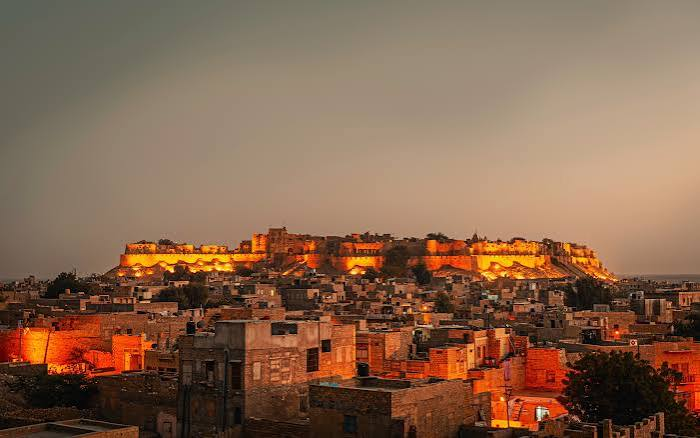
Jaisalmer earned the title of the Golden City because nearly all of its historic buildings, palaces, temples, and homes are constructed from locally sourced yellow sandstone. During daylight, particularly in the early morning and evening, these structures reflect warm golden shades that create an extraordinary visual experience. This unique appearance has made the city one of India’s most photographed destinations and a symbol of Rajasthan’s architectural excellence.
Located in the heart of the Thar Desert, Jaisalmer was founded in the 12th century by Rawal Jaisal. Its strategic location along ancient trade routes connecting India with Central Asia and the Middle East helped it become an important commercial center. Wealth generated through trade enabled rulers and merchants to build magnificent forts, intricately carved mansions, temples, and marketplaces that still stand today as remarkable examples of medieval craftsmanship.
The city’s golden landscape extends beyond its architecture. Vast sand dunes, desert sunsets, and traditional sandstone buildings blend seamlessly into the surrounding environment, creating an unforgettable destination that perfectly reflects its famous nickname.
The Rich History Behind the Golden City
The history of the Golden City stretches back more than eight centuries. Jaisalmer emerged as a powerful kingdom during the medieval period, benefiting from caravan trade that transported silk, spices, precious stones, textiles, and other valuable goods across Asia. Merchant families accumulated significant wealth, leading to the construction of beautifully decorated havelis and temples that continue to attract visitors today.
Throughout its history, the city witnessed political alliances, regional conflicts, and changing trade patterns. Despite these transformations, many historical structures survived remarkably well because of continuous preservation efforts and the durability of sandstone construction. These monuments now serve as living reminders of Rajasthan’s royal heritage and architectural traditions.
The cultural influence of Rajput rulers remains visible throughout the city. Ancient customs, traditional music, local festivals, folk dances, and religious ceremonies continue to play an important role in daily life, allowing visitors to experience authentic traditions that have been preserved across generations.
Architectural Wonders That Define the Golden City
The architecture of the Golden City is one of its greatest attractions. Narrow streets wind through neighborhoods filled with ornate sandstone buildings featuring detailed carvings, decorative balconies, latticed windows, and elegant courtyards. Every corner reflects the exceptional craftsmanship of artisans who transformed stone into works of art.
The city’s iconic fort dominates the skyline and remains one of the few living forts in the world where residents continue to live, work, and operate businesses within its walls. Ancient temples, royal residences, and traditional homes coexist inside the fortified complex, creating a vibrant blend of history and everyday life that is rarely found elsewhere.
Equally impressive are the magnificent merchant mansions known as havelis. Built by wealthy traders, these residences display extraordinary stone carvings that rival the finest architectural achievements in India. Their elaborate facades, artistic interiors, and historical significance provide valuable insight into the prosperity once enjoyed by Jaisalmer’s trading community.
Tourism and Travel Experiences in the Golden City
Tourism serves as one of the primary drivers of the Golden City’s economy. Travelers are drawn by its historical landmarks, desert landscapes, cultural performances, luxury heritage hotels, and opportunities to experience Rajasthan’s unique traditions. The city’s welcoming atmosphere makes it appealing to families, solo travelers, photographers, and history enthusiasts alike.
One of the most memorable experiences is exploring the Thar Desert. Camel safaris across rolling sand dunes provide visitors with breathtaking sunset views, while overnight desert camps offer traditional music, folk dance performances, local cuisine, and opportunities to observe remarkably clear night skies away from urban light pollution.
Walking through the old city is equally rewarding. Traditional markets offer handcrafted textiles, leather goods, silver jewelry, embroidered fabrics, wooden crafts, decorative items, and regional artwork. These bustling streets allow visitors to experience the city’s living heritage while supporting local artisans and family-owned businesses.
Culture, Traditions, and Local Lifestyle
The Golden City is deeply rooted in Rajasthan’s vibrant cultural traditions. Music and dance remain integral parts of community celebrations, religious festivals, and tourism events. Folk musicians perform with traditional instruments while dancers present colorful performances that reflect stories passed down through generations.
Local cuisine forms another essential part of the visitor experience. Traditional Rajasthani dishes combine regional spices with locally available ingredients, producing distinctive flavors that reflect the desert environment. Hospitality remains an important cultural value, and visitors often experience warm welcomes from residents proud to share their heritage.
Festivals throughout the year showcase the city’s cultural richness. Celebrations feature decorated camels, traditional competitions, handicraft exhibitions, musical performances, and artistic displays that attract domestic and international tourists. These events strengthen cultural identity while promoting sustainable tourism and preserving local traditions.
Economy, Handicrafts, and Sustainable Development
Historically, trade established the economic foundation of the Golden City, while modern tourism now supports thousands of local businesses. Hotels, restaurants, transportation services, handicraft industries, tour operators, and cultural organizations all contribute significantly to the regional economy. Tourism has created employment opportunities while encouraging preservation of historical sites and traditional skills.
Handicrafts remain an important source of income for local artisans. Skilled craftsmen produce embroidered textiles, leather products, stone carvings, silver jewelry, paintings, decorative furnishings, and handcrafted souvenirs that showcase generations of artistic expertise. These products are appreciated both locally and internationally for their quality and cultural significance.
Sustainable development has become increasingly important as visitor numbers continue to grow. Conservation projects focus on preserving historical buildings, improving infrastructure, managing tourism responsibly, and protecting fragile desert ecosystems. These efforts help ensure that future generations can continue enjoying the city’s remarkable heritage.
Best Time to Visit and Travel Tips
The most comfortable time to visit the Golden City is during the cooler months when daytime temperatures are pleasant for sightseeing and outdoor activities. Desert climates can become extremely hot during summer, making winter and early spring especially popular among international travelers seeking comfortable weather conditions.
Visitors are encouraged to dress comfortably while respecting local customs, particularly when entering religious sites. Carrying sufficient water, using sun protection, and wearing comfortable walking shoes help ensure an enjoyable experience while exploring historic streets, forts, temples, and desert landscapes.
Planning accommodations in advance is advisable during major festivals and peak tourist seasons. Heritage hotels, boutique guesthouses, luxury desert camps, and modern resorts provide a wide range of options that allow visitors to experience both traditional hospitality and modern comfort throughout their stay.
Why the Golden City Continues to Inspire Visitors Worldwide
The enduring popularity of the Golden City lies in its remarkable combination of history, architecture, culture, and natural beauty. Few destinations successfully preserve centuries-old traditions while remaining vibrant living communities. Every street, monument, marketplace, and cultural performance reflects a heritage that continues to evolve without losing its historical identity.
Modern travelers increasingly seek authentic experiences rather than simply visiting famous landmarks. The Golden City offers opportunities to interact with local artisans, enjoy regional cuisine, explore ancient architecture, experience desert adventures, and witness cultural traditions that remain deeply connected to everyday life. These authentic encounters create lasting memories that extend beyond ordinary sightseeing.
As heritage conservation and sustainable tourism continue to receive greater attention, the Golden City stands as an outstanding example of how historical preservation and responsible development can coexist. Its timeless appeal ensures that it will remain one of South Asia’s most treasured travel destinations for generations to come.
Conclusion
The Golden City represents far more than a beautiful destination with golden-colored buildings. It is a remarkable blend of history, architecture, culture, commerce, and living heritage that has evolved over centuries while preserving its unique identity. Jaisalmer’s magnificent sandstone structures, thriving traditions, bustling markets, and breathtaking desert surroundings have earned it worldwide recognition as one of India’s most iconic travel destinations.
Whether admired for its medieval fort, intricate havelis, colorful festivals, traditional handicrafts, or unforgettable desert experiences, the Golden City offers something meaningful for every visitor. Its combination of historical significance and modern hospitality creates an experience that is both educational and inspiring. As preservation efforts continue and sustainable tourism grows, the Golden City will remain a shining symbol of Rajasthan’s rich cultural legacy and an unforgettable destination for travelers from around the world.
