

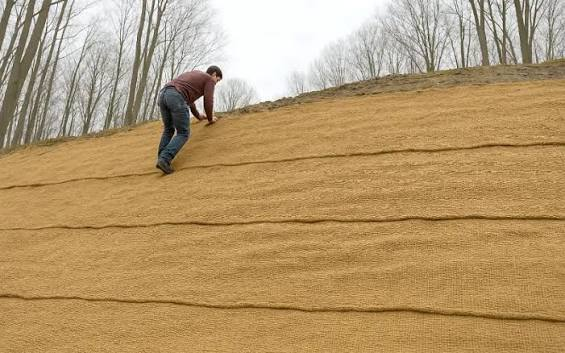
Soil erosion is a major environmental challenge that affects construction sites, agricultural fields, slopes, waterways, and landscaping projects. When wind, rain, and surface water remove exposed soil, it can lead to property damage, loss of vegetation, sediment pollution, and unstable land conditions. An erosion control blanket is one of the most effective solutions used to protect soil surfaces, encourage vegetation growth, and improve long-term land stability.
Erosion control blankets, also known as erosion control mats or soil stabilization blankets, are specially designed materials placed over vulnerable soil areas. They help reduce the impact of rainfall, slow water runoff, and provide a protective layer that allows grass and plants to establish strong root systems. These products are widely used in environmental restoration, highway construction, landscaping, and stormwater management projects.
What Is an Erosion Control Blanket?
An erosion control blanket is a biodegradable or synthetic material designed to protect exposed soil from erosion caused by water, wind, and weather conditions. These blankets are typically installed on slopes, embankments, drainage channels, and disturbed land areas where vegetation needs support during early growth stages.
The primary purpose of an erosion control blanket is to hold soil in place until natural vegetation becomes established. Newly seeded areas are especially vulnerable because young plants do not yet have strong root systems to stabilize the ground. By covering the soil surface, erosion control blankets reduce soil movement and create a favorable environment for seed germination.
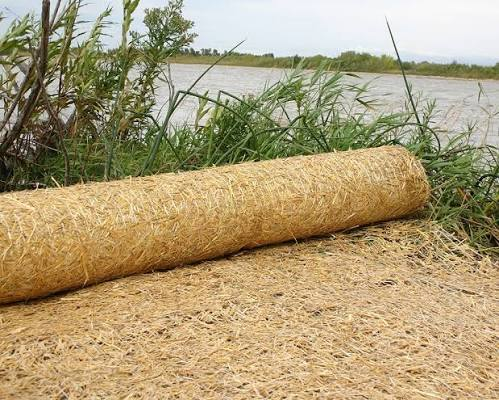
Modern erosion control blankets are available in different materials, strengths, and designs to meet specific project requirements. Some are made from natural fibers such as straw, coconut fiber, or wood materials, while others are manufactured from synthetic materials for long-term protection in demanding environments.
How Erosion Control Blankets Work
Erosion control blankets work by creating a protective barrier between exposed soil and environmental forces. During heavy rainfall, water droplets can break apart soil particles and create runoff channels. The blanket absorbs much of the rainfall energy, reducing soil displacement and helping water move more slowly across the surface.
The open structure of many erosion control mats allows sunlight, air, and moisture to reach the soil while protecting seeds and young plants. This creates better conditions for vegetation growth compared to uncovered soil. As plants develop, their roots provide additional reinforcement and improve soil stability naturally.
On slopes, erosion control blankets are especially useful because they reduce the speed of surface water flow. Slower water movement decreases the chance of soil being washed away and helps prevent problems such as slope failure, sediment buildup, and landscape damage.
Types of Erosion Control Blankets
Erosion control blankets come in several types depending on the level of protection required and the environmental conditions of the project. Biodegradable erosion control blankets are commonly used for temporary erosion prevention because they naturally break down after vegetation becomes established. These products are often made from materials such as straw, coconut fiber, or wood fibers.
Coconut fiber erosion control blankets, also known as coir mats, are popular for areas requiring longer protection. Coir fibers are strong, durable, and naturally resistant to moisture, making them suitable for steep slopes, riverbanks, and restoration projects. These blankets can provide soil protection for several years before naturally decomposing.
Synthetic erosion control blankets are designed for situations where long-term soil stabilization is needed. They are commonly made from materials such as polypropylene and are used in areas exposed to extreme weather conditions, high water flow, or heavy erosion risks.
Benefits of Using Erosion Control Blankets
One of the main benefits of erosion control blankets is effective soil protection. They help prevent the loss of valuable topsoil, which is essential for plant growth and ecosystem health. Protecting soil during the early stages of a project reduces future repair costs and improves overall landscape performance.
Erosion control blankets also support faster vegetation establishment. By maintaining moisture levels and protecting seeds from being washed away, these products improve the success rate of grass and plant growth. Healthy vegetation provides natural erosion control by creating strong root networks that hold soil together.
Another important advantage is environmental protection. Excessive soil erosion can cause sediment to enter rivers, lakes, and drainage systems, affecting water quality and aquatic ecosystems. Erosion control blankets help reduce sediment runoff and support responsible land management practices.
Common Applications of Erosion Control Blankets
Erosion control blankets are used in a wide variety of industries and projects. Construction sites frequently use them to stabilize disturbed soil after excavation, grading, or land development activities. They are especially important in areas where exposed soil could create stormwater management problems.
Transportation projects such as highways, roads, and railways often require erosion control solutions to protect slopes and drainage areas. Roadside embankments are vulnerable to water runoff, and erosion control mats help maintain stability while vegetation grows.
Agricultural land, parks, residential landscaping, and environmental restoration projects also benefit from erosion control blankets. They are commonly used for streambank stabilization, wetland restoration, wildfire recovery areas, and locations where natural vegetation needs assistance during recovery.
Factors to Consider When Choosing an Erosion Control Blanket
Selecting the right erosion control blanket depends on several factors, including soil type, slope steepness, rainfall conditions, expected water flow, and project duration. A product that works well for a small landscaping project may not provide enough protection for a steep construction slope or drainage channel.
The level of erosion risk should be evaluated before installation. Areas with mild erosion problems may require lightweight biodegradable blankets, while high-risk locations may need stronger materials designed for long-term performance. Understanding site conditions helps ensure the selected product provides effective protection.
Installation quality is also important for achieving successful results. Proper anchoring, soil preparation, and correct placement help prevent the blanket from moving or failing during severe weather. Professional installation practices improve durability and maximize erosion control performance.
Installation Process and Maintenance Requirements
Installing an erosion control blanket usually begins with preparing the soil surface. The area should be properly graded, cleared of large debris, and seeded if vegetation growth is part of the project goal. A smooth soil surface helps the blanket maintain proper contact with the ground.
After placement, erosion control blankets are secured using stakes, pins, or other anchoring systems. Proper fastening prevents movement caused by wind or flowing water. Overlapping sections correctly is also important because gaps can allow soil erosion to occur underneath the material.
Maintenance requirements depend on the type of blanket and project conditions. Regular inspections after heavy rainfall help identify potential issues such as loose sections, damaged areas, or excessive sediment buildup. Addressing small problems early can prevent larger erosion concerns.
Erosion Control Blankets and Sustainable Land Management
Erosion control blankets play an important role in sustainable land management because they combine immediate soil protection with long-term environmental benefits. Many biodegradable products are designed to support natural recovery while reducing the need for artificial erosion solutions.
As environmental regulations and sustainable construction practices become more important, erosion control products are increasingly used to meet stormwater management requirements. Contractors and land developers often rely on these solutions to minimize environmental impact during and after construction activities.
The growing focus on green infrastructure has also increased demand for environmentally friendly erosion control methods. Natural fiber blankets, in particular, support ecosystem restoration while providing effective protection during critical vegetation establishment periods.
Future Developments in Erosion Control Technology
The erosion control industry continues to evolve with improvements in materials, design, and installation techniques. Manufacturers are developing stronger biodegradable materials that provide better performance while maintaining environmental benefits. These innovations help create solutions that balance durability with sustainability.
Advanced erosion control systems are also being combined with other soil stabilization methods, including geotextiles, hydroseeding, and vegetation management strategies. These integrated approaches provide stronger protection for challenging landscapes and large-scale infrastructure projects.
As climate change increases the frequency of extreme weather events, effective erosion prevention will become even more important. Erosion control blankets will continue to be a valuable tool for protecting soil, supporting vegetation growth, and maintaining stable landscapes.
Conclusion
Erosion control blanket provide an effective and practical solution for preventing soil erosion, protecting landscapes, and supporting vegetation growth. Whether used in construction, agriculture, environmental restoration, or landscaping projects, these materials help maintain soil stability during vulnerable periods.
Choosing the right erosion control blanket, installing it correctly, and following proper maintenance practices are essential for achieving long-lasting results. With continued advancements in sustainable materials and erosion management techniques, erosion control blankets will remain an important part of responsible land development and environmental protection.
