

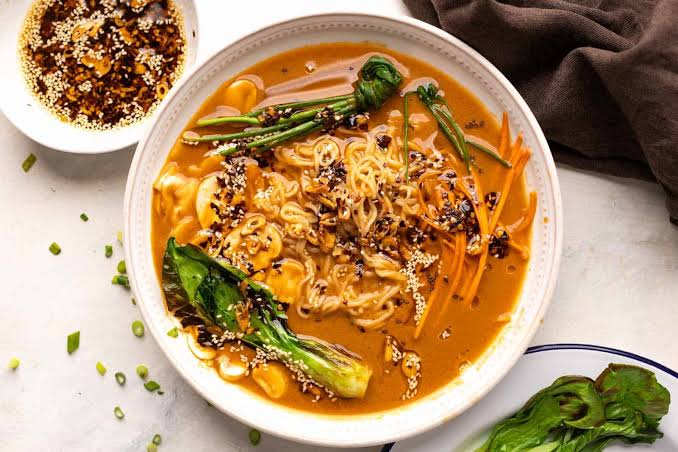
Vegetarian ramen has become one of the most popular plant-based comfort foods, offering the same rich, satisfying experience as traditional ramen without relying on meat or seafood. Inspired by Japanese culinary traditions and modern plant-based cooking, vegetarian ramen combines springy noodles, deeply flavorful broth, fresh vegetables, and protein-rich toppings into a wholesome bowl that appeals to vegetarians, vegans, and anyone looking for a lighter yet filling meal.
The beauty of vegetarian ramen lies in its versatility. Whether you enjoy a creamy miso broth, a clear soy-based soup, or a spicy sesame-infused version, every bowl can be customized with seasonal vegetables, mushrooms, tofu, corn, spinach, bok choy, bamboo shoots, and aromatic garnishes. Modern recipes have also made it easier than ever to recreate authentic Japanese-inspired ramen at home using widely available ingredients.
A well-made vegetarian ramen focuses on developing layers of umami, the savory taste that gives ramen its signature depth. Ingredients such as miso paste, kombu, dried shiitake mushrooms, soy sauce, garlic, ginger, toasted sesame oil, and fermented seasonings work together to create a broth that is rich and satisfying without meat. This approach has helped vegetarian ramen gain popularity in restaurants and home kitchens around the world.
Today, vegetarian ramen is more than simply a meat-free alternative. It has become a celebrated dish in its own right, appreciated for its balanced nutrition, vibrant presentation, and endless customization options. Whether you are preparing a quick weeknight dinner or exploring authentic Japanese flavors, vegetarian ramen offers a delicious way to enjoy comforting noodle soup while embracing a plant-forward lifestyle.
What Is Vegetarian Ramen?
Vegetarian ramen is a Japanese-inspired noodle soup made entirely without meat, poultry, or seafood ingredients. Unlike traditional ramen, which often uses pork, chicken, or fish-based broth, vegetarian versions rely on vegetables, mushrooms, seaweed, fermented seasonings, and aromatic spices to build complexity and richness. The result is a deeply satisfying soup that retains the comforting qualities of classic ramen while remaining suitable for vegetarians.
The foundation of vegetarian ramen begins with its broth, which is carefully developed to maximize natural umami. Kombu seaweed, dried shiitake mushrooms, onions, carrots, garlic, ginger, and scallions are commonly simmered together before being enhanced with white or red miso paste, soy sauce, sesame paste, or tamari. Fresh ramen noodles are then paired with vegetables, tofu, and flavorful garnishes to create a balanced bowl that is both nourishing and satisfying.
The Essential Ingredients That Create Authentic Flavor
Creating exceptional vegetarian ramen starts with selecting quality ingredients that contribute both flavor and texture. Fresh ramen noodles provide the chewy consistency that defines authentic ramen, while vegetable stock serves as the base for the broth. Aromatics such as garlic, fresh ginger, onions, and scallions build a fragrant foundation, and fermented ingredients like miso paste and soy sauce add depth that mimics the richness traditionally found in meat-based broths.
Vegetables and toppings play an equally important role in the finished dish. Bok choy, spinach, corn, carrots, bean sprouts, mushrooms, bamboo shoots, and green onions contribute freshness, color, and nutrition. Tofu, especially when pan-fried or baked until crisp, adds satisfying plant-based protein. Finishing touches like sesame seeds, chili oil, nori sheets, and toasted sesame oil enhance both aroma and presentation while creating multiple layers of flavor in every bite.
Fresh herbs and carefully balanced seasonings elevate vegetarian ramen even further. Garlic oil, black pepper, rice vinegar, chili paste, and roasted sesame seeds provide subtle complexity without overwhelming the natural taste of the vegetables. By combining these ingredients thoughtfully, home cooks can produce restaurant-quality ramen with remarkable depth.
Building a Rich and Umami-Packed Vegetarian Broth
The broth is the heart of every great bowl of vegetarian ramen. While traditional ramen often relies on long-simmered animal bones, vegetarian broth achieves similar richness through carefully layered plant-based ingredients. Dried shiitake mushrooms release natural glutamates during cooking, while kombu contributes minerals and a deep savory character. Together, these ingredients create the signature umami flavor associated with authentic Japanese cuisine.
Many recipes incorporate white miso or red miso paste, each bringing its own unique profile. White miso offers a mild sweetness and creamy texture, whereas red miso produces a bolder, more robust broth. Combining miso with soy sauce, garlic, ginger, sesame paste, and vegetable stock results in a silky soup that feels hearty without becoming heavy.
Allowing the broth to simmer slowly gives every ingredient time to release its natural flavors. After straining the vegetables, cooks often whisk in miso at the end of cooking to preserve its delicate fermented taste. This careful process creates a smooth, aromatic broth that forms the perfect base for noodles and toppings.
Choosing the Best Noodles and Delicious Toppings
Ramen noodles are an essential part of the overall experience. Fresh alkaline noodles are traditionally preferred because they maintain their firm, springy texture even after sitting in hot broth. Dried ramen noodles also work well for home cooking and are widely available in grocery stores. Many people also choose whole wheat or gluten-free ramen varieties depending on dietary preferences while still enjoying the familiar texture of classic ramen.
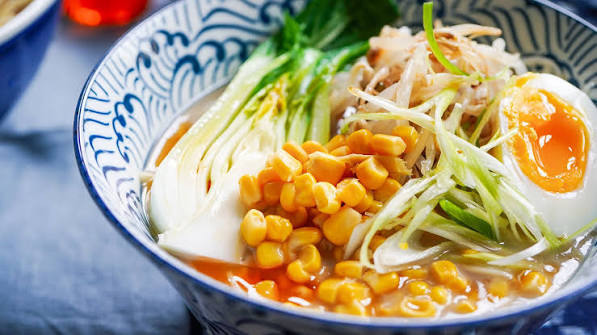
The toppings transform a simple bowl into a colorful and satisfying meal. Crispy tofu, sautéed mushrooms, roasted corn, baby spinach, bok choy, shredded carrots, bean sprouts, edamame, bamboo shoots, and sliced green onions all contribute unique textures and flavors. Soft-boiled eggs are commonly added by vegetarians who eat eggs, while vegans often replace them with additional tofu or marinated mushrooms.
Finishing garnishes add the final layer of flavor. Toasted sesame seeds, chili crisp, garlic oil, nori strips, fresh cilantro, and a drizzle of sesame oil create visual appeal while enhancing aroma and taste. Every topping contributes something different, allowing each bowl to be personalized according to individual preferences.
Popular Styles of Vegetarian Ramen Around the World
One of the reasons vegetarian ramen has gained worldwide popularity is the variety of broth styles available. Miso ramen remains one of the most beloved options because of its creamy consistency and naturally rich flavor. Soy sauce-based shoyu ramen offers a lighter, cleaner taste that highlights fresh vegetables and delicate seasonings, while spicy ramen incorporates chili paste, chili oil, or fermented peppers for added warmth.
Sesame ramen has become increasingly popular due to its smooth, nutty flavor. Ground sesame seeds or tahini are blended into the broth to produce a creamy texture without dairy products. Coconut milk is occasionally used in fusion recipes to create a rich, comforting soup inspired by both Japanese and Southeast Asian cooking traditions.
Modern chefs continue to innovate with seasonal ingredients while respecting traditional Japanese techniques. Pumpkin, roasted sweet potatoes, roasted tomatoes, kale, asparagus, and wild mushrooms frequently appear in contemporary vegetarian ramen recipes, reflecting regional produce and local culinary creativity without losing the comforting essence of the dish.
Health Benefits of Vegetarian Ramen
Vegetarian ramen can be a nutritious meal when prepared with wholesome ingredients and balanced portions. Fresh vegetables provide vitamins, minerals, antioxidants, and dietary fiber that support overall wellness. Tofu, edamame, and other soy products supply complete plant-based protein, helping create a filling meal that satisfies hunger for longer periods.
The broth itself also contributes nutritional value when made from vegetables, mushrooms, garlic, ginger, and seaweed. These ingredients naturally contain beneficial compounds and minerals that complement a balanced diet. Choosing low-sodium vegetable stock and moderating soy sauce can help reduce overall sodium content while maintaining excellent flavor.
Because vegetarian ramen encourages generous servings of vegetables alongside noodles, it can fit comfortably into many healthy eating patterns. Whole grain noodles, additional leafy greens, and protein-rich toppings further improve nutritional balance, making vegetarian ramen an enjoyable option for both everyday meals and special occasions.
Tips for Making Restaurant-Quality Vegetarian Ramen at Home
Preparing exceptional vegetarian ramen at home begins with patience and attention to detail. Rather than rushing the broth, allow vegetables, mushrooms, kombu, garlic, and ginger to simmer slowly so their flavors fully develop. Fresh ingredients make a noticeable difference, especially when using aromatic herbs and seasonal produce that retain vibrant color and texture during cooking.
Cooking the noodles separately from the broth is another important technique. This prevents excess starch from clouding the soup while helping the noodles maintain their ideal consistency. Once cooked, the noodles should be transferred directly into serving bowls before being covered with hot broth and arranged with toppings.
Presentation also enhances the dining experience. Carefully placing vegetables, tofu, mushrooms, corn, and greens around the bowl creates an inviting appearance that reflects traditional Japanese attention to detail. Finishing with sesame seeds, sliced scallions, chili oil, and nori adds professional touches that make homemade ramen feel truly special.
Common Mistakes to Avoid When Preparing Vegetarian Ramen
Many home cooks underestimate the importance of building flavor gradually. Simply using plain vegetable stock without additional umami ingredients often results in a broth that tastes flat. Incorporating dried mushrooms, kombu, miso, soy sauce, garlic, ginger, and sesame creates greater complexity and produces a more authentic ramen experience.
Another common mistake is overcooking the noodles. Ramen noodles continue absorbing liquid after being placed in the hot broth, so they should be cooked just until tender. Overcooked noodles quickly become soft and lose the pleasantly chewy texture that distinguishes quality ramen.
Balancing flavors is equally essential. Excessive soy sauce can overwhelm the broth, while too much sesame oil or chili paste may mask the delicate vegetable flavors. Tasting throughout the cooking process allows small adjustments that create harmony among savory, salty, slightly sweet, and aromatic elements.
Why Vegetarian Ramen Continues to Grow in Popularity
Vegetarian ramen has evolved from a niche menu item into a globally appreciated comfort food because it successfully combines flavor, nutrition, and creativity. Its ability to deliver deep umami without meat demonstrates how carefully selected plant-based ingredients can produce remarkably satisfying meals. Restaurants continue expanding vegetarian and vegan ramen offerings, while home cooks enjoy experimenting with seasonal vegetables, regional flavors, and personalized toppings.
The dish also reflects changing food preferences around the world. More people are exploring plant-based meals for health, environmental, and culinary reasons, and vegetarian ramen offers an approachable introduction to this style of eating without sacrificing taste or satisfaction. Its flexibility allows cooks to adapt recipes for different dietary needs while maintaining the comforting qualities that have made ramen famous.
Whether enjoyed as a simple homemade dinner or a carefully crafted restaurant specialty, vegetarian ramen remains one of the most rewarding noodle dishes to prepare and share. By focusing on a flavorful broth, quality noodles, fresh vegetables, and thoughtfully selected toppings, anyone can create a nourishing bowl that celebrates authentic Japanese inspiration while embracing modern plant-based cooking. With endless opportunities for customization and consistently satisfying results, vegetarian ramen continues to earn its place among the world’s favorite comfort foods.
