

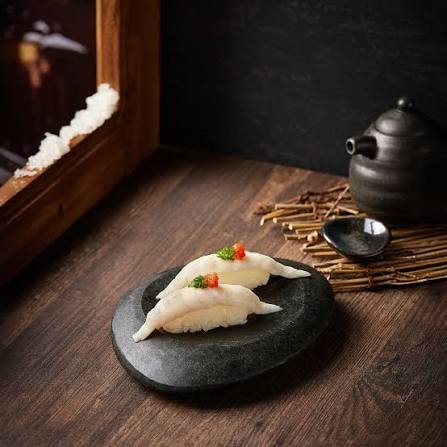
Fugu sushi is one of the most fascinating and carefully prepared dishes in Japanese cuisine. Known around the world as pufferfish sushi, it combines exceptional culinary skill, centuries of tradition, and strict food safety standards. While many people associate fugu with danger because certain parts of the fish contain a powerful natural toxin, licensed chefs in Japan undergo years of specialized training to prepare it safely. Today, fugu sushi has become a symbol of Japanese fine dining and attracts food lovers from across the globe who want to experience one of the country’s most unique culinary traditions.
Unlike ordinary sushi, fugu sushi represents far more than raw fish served over rice. It reflects precision, discipline, and respect for ingredients. Every slice is carefully cut to highlight the delicate texture and mild flavor of the fish. The preparation process follows strict regulations that ensure diners can enjoy the experience safely. Because of these standards, authentic fugu sushi is considered a premium dish served mainly in licensed restaurants.
Whether you are planning a trip to Japan or simply want to learn about this iconic seafood delicacy, understanding its history, preparation, safety, taste, and cultural importance can help you appreciate why it remains one of the world’s most talked-about foods. This guide explores everything you need to know about fugu sushi, from its origins to modern dining practices.
The History and Cultural Importance of Fugu Sushi
Fugu has been part of Japanese food culture for centuries, with archaeological evidence suggesting that people consumed pufferfish during prehistoric times. Historical records from the Edo period indicate that despite its dangerous reputation, many coastal communities continued eating fugu because of its unique flavor and local availability. Over time, Japanese chefs developed increasingly sophisticated preparation techniques that reduced health risks while preserving the fish’s delicate qualities.
The popularity of fugu expanded alongside the evolution of Japanese cuisine. Regional specialties emerged, particularly in western Japan, where coastal cities became famous for serving expertly prepared pufferfish dishes. Today, several areas are recognized for their strong connection to fugu fishing and culinary traditions, making them popular destinations for domestic and international tourists interested in authentic Japanese seafood experiences.
Fugu sushi also represents Japan’s broader philosophy of craftsmanship. Japanese culinary culture places great value on mastering traditional techniques through years of dedicated practice. Licensed fugu chefs embody this philosophy by demonstrating patience, precision, and unwavering attention to detail. Their expertise transforms an ingredient with natural hazards into a refined dining experience that reflects generations of culinary knowledge.
What Makes Fugu Sushi Different from Traditional Sushi
Unlike salmon, tuna, yellowtail, or shrimp sushi, fugu sushi is prized for its subtle taste rather than a strong seafood flavor. The flesh is firm, slightly chewy, and remarkably clean on the palate. Instead of relying on richness, the experience emphasizes texture, freshness, and the careful balance between rice, fish, and seasonings.
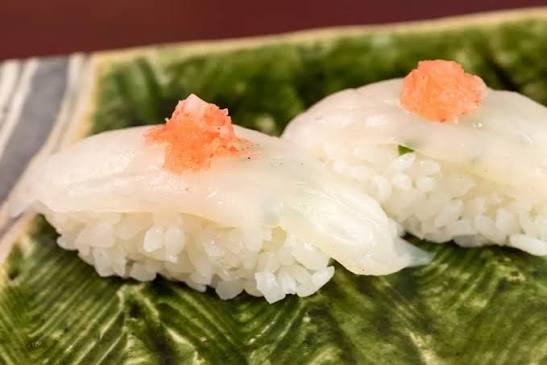
The presentation of fugu sushi is equally distinctive. Because the fish is relatively translucent, chefs slice it extremely thin using specialized knives. These nearly transparent slices are often arranged with artistic precision, showcasing the chef’s knife skills while creating an elegant visual presentation. Attention to aesthetics is considered an essential part of traditional Japanese dining.
Another defining characteristic is the exclusivity of authentic preparation. Not every sushi restaurant serves fugu because only licensed professionals who meet strict government requirements are legally permitted to prepare it in many parts of Japan. This exclusivity contributes to its reputation as a luxury seafood delicacy that represents the highest standards of Japanese culinary craftsmanship.
Understanding the Safety of Fugu Sushi
The topic most commonly associated with fugu sushi is safety. Certain species of pufferfish contain tetrodotoxin, an extremely potent natural neurotoxin found primarily in the liver, ovaries, intestines, and other internal organs. This toxin is not destroyed by cooking, freezing, or other common food preparation methods, making expert handling absolutely essential.
Modern food safety regulations have significantly reduced the risks associated with professionally prepared fugu. Licensed chefs receive extensive training that includes fish identification, anatomy, toxin awareness, sanitation, and precise preparation techniques. Before earning certification, aspiring chefs must demonstrate practical skills and pass rigorous examinations designed to ensure they understand every aspect of safe preparation.
Because of these strict standards, dining at licensed establishments has made authentic fugu sushi remarkably safe. Food safety authorities closely regulate harvesting, processing, transportation, and restaurant preparation. These regulations help maintain consumer confidence while preserving one of Japan’s most celebrated culinary traditions.
How Licensed Chefs Prepare Authentic Fugu Sushi
Preparing fugu sushi begins with selecting high-quality fish sourced from trusted fisheries and regulated suppliers. Professional chefs carefully inspect each fish before beginning the cleaning process. Every stage requires precision because toxic organs must be removed without contaminating the edible flesh. Specialized knives and dedicated preparation areas further reduce the possibility of cross-contamination.
After cleaning, the edible portions undergo careful trimming and inspection. The chef then slices the flesh into exceptionally thin pieces that showcase both texture and visual appeal. These slices are placed over seasoned sushi rice or served in traditional sashimi presentations. The thin cuts allow diners to fully appreciate the fish’s subtle texture while highlighting the chef’s technical skill.
Presentation remains an important element throughout the preparation process. Fugu sushi often features elegant garnishes such as finely sliced green onions, grated daikon radish, citrus, or fresh herbs that complement rather than overpower the fish. Every detail reflects Japanese culinary values centered on balance, simplicity, and respect for premium ingredients.
The Flavor, Texture, and Dining Experience
People trying fugu sushi for the first time often expect an intense seafood flavor, but the experience is surprisingly delicate. The fish has a clean, mild taste with subtle sweetness and a firm yet tender texture. Instead of overwhelming the palate, it provides a refined eating experience that allows diners to appreciate freshness and expert preparation.
Texture plays a larger role than flavor in defining fugu sushi. The thin slices create a pleasant balance between tenderness and gentle firmness, giving each bite a unique mouthfeel unlike many other seafood varieties. The rice, soy sauce, citrus, and accompanying condiments enhance rather than dominate the natural qualities of the fish.
Many diners describe eating fugu sushi as more than simply enjoying a meal. The careful presentation, highly trained chefs, and centuries-old traditions create an atmosphere of appreciation for Japanese culinary artistry. This sense of occasion contributes significantly to its lasting popularity among both experienced food enthusiasts and curious travelers.
Different Types of Fugu Dishes Beyond Sushi
Although fugu sushi receives significant international attention, it represents only one way this fish is enjoyed in Japanese cuisine. Thinly sliced fugu sashimi is perhaps the most iconic presentation, often arranged in intricate floral patterns across decorative plates. This artistic display emphasizes both visual beauty and technical precision.
Fugu is also prepared in hot pots, grilled dishes, fried specialties, soups, and rice-based meals. During colder months, many restaurants serve comforting hot pot dishes featuring tender fugu simmered alongside vegetables, tofu, mushrooms, and flavorful broth. Grilled preparations highlight the fish’s natural sweetness while adding subtle smoky aromas.
Even different parts of the edible fish may appear in various traditional recipes. Skin, fins, and muscle meat each contribute unique textures and flavors to Japanese cuisine when prepared correctly. These diverse cooking methods demonstrate the versatility of fugu while honoring traditional culinary practices developed over generations.
Where You Can Eat Authentic Fugu Sushi
Japan remains the best destination for authentic fugu sushi because of its highly regulated preparation standards and long culinary history. Many licensed restaurants specialize exclusively in pufferfish cuisine, offering seasonal tasting menus that showcase multiple preparation styles using carefully sourced ingredients. Coastal regions with established fishing traditions continue to attract visitors seeking premium dining experiences.
Outside Japan, authentic fugu sushi is available only in select countries where local regulations permit its importation and preparation. Restaurants serving fugu must comply with national food safety laws, and many source processed fish from certified facilities that remove toxic organs before export. Availability varies considerably depending on local regulations and seafood import policies.
When selecting a restaurant, reputation and licensing matter more than luxury or price alone. Diners should choose establishments known for professional standards, experienced chefs, and strict adherence to food safety regulations. Reading verified customer reviews and confirming proper licensing helps ensure both safety and an authentic culinary experience.
Choosing High-Quality Fugu Sushi and Understanding Modern Regulations
Consumers interested in trying fugu sushi should prioritize restaurants with transparent sourcing practices and experienced culinary teams. Freshness remains one of the most important indicators of quality. Premium establishments emphasize seasonal ingredients, proper refrigeration, hygienic preparation, and meticulous presentation that reflects professional expertise.
Modern regulations governing fugu continue evolving alongside scientific research and food safety improvements. Fisheries, distributors, processors, and restaurants all participate in comprehensive systems designed to monitor quality from harvest through final preparation. These coordinated efforts have strengthened public confidence while supporting sustainable seafood practices.
Education also plays a valuable role in responsible dining. Understanding that authentic fugu sushi is prepared under strict professional supervision helps separate facts from myths. Rather than focusing solely on its reputation for danger, informed diners can appreciate the remarkable culinary craftsmanship that makes safe preparation possible.
Why Fugu Sushi Continues to Fascinate Food Lovers Worldwide
Fugu sushi occupies a unique place within global gastronomy because it combines history, tradition, culinary artistry, and scientific precision. Few dishes require such extensive professional training or reflect such a deep commitment to craftsmanship. This combination continues attracting travelers, chefs, and food enthusiasts eager to experience one of Japan’s most celebrated specialties.
Interest in Japanese cuisine has grown steadily worldwide, introducing more people to authentic sushi, sashimi, ramen, tempura, and regional delicacies. Within this broader appreciation, fugu sushi remains one of the most recognizable symbols of Japan’s dedication to culinary excellence. Its reputation encourages curiosity while inspiring respect for the expertise required to prepare it safely.
As food tourism continues expanding, more visitors include licensed fugu restaurants in their travel plans. The opportunity to experience a dish with centuries of history, prepared by highly trained professionals, offers an unforgettable connection to Japanese culture that extends far beyond the meal itself.
Conclusion
Fugu sushi remains one of the world’s most remarkable culinary experiences, combining delicate flavor, refined presentation, and extraordinary craftsmanship. Although the fish has long been associated with natural toxins, modern regulations, rigorous chef training, and strict food safety standards have made professionally prepared fugu sushi a trusted delicacy enjoyed by locals and international visitors alike. Its mild taste, elegant texture, and cultural significance continue to distinguish it from traditional sushi varieties.
Understanding the history, preparation methods, safety measures, and dining traditions behind fugu sushi allows diners to appreciate far more than its famous reputation. It represents generations of Japanese culinary expertise, respect for ingredients, and dedication to perfection. Whether enjoyed as sushi, sashimi, or another traditional preparation, authentic fugu offers a memorable glimpse into one of Japan’s most respected food traditions. For anyone interested in exploring premium Japanese cuisine, fugu sushi remains a fascinating delicacy that showcases the highest standards of skill, discipline, and culinary heritage.
