

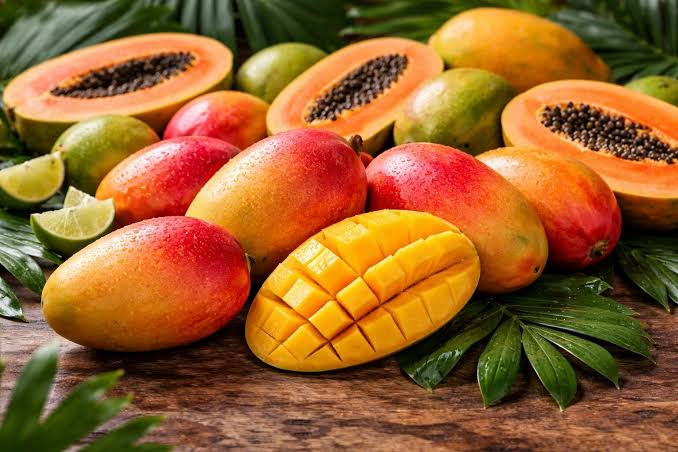
Papaya is one of the world’s most nutritious tropical fruits, valued for its sweet flavor, vibrant orange flesh, and impressive health benefits. Scientifically known as Carica papaya, this fast-growing fruit is native to Central America and southern Mexico but is now cultivated across tropical and subtropical regions worldwide. Countries such as India, Brazil, Indonesia, Nigeria, Mexico, and Thailand are among the leading producers of papaya, making it a widely available fruit enjoyed by millions of people every day.
Beyond its refreshing taste, papaya has earned a reputation as a functional food because it contains essential vitamins, minerals, antioxidants, dietary fiber, and unique digestive enzymes like papain. It is commonly consumed fresh, blended into smoothies, added to fruit salads, or incorporated into savory dishes. Traditional medicine has also used various parts of the papaya plant, including its leaves, seeds, and latex, although many medicinal claims require further scientific research. Today, papaya continues to be recognized as a healthy addition to a balanced diet while supporting digestive wellness, immune health, and overall nutrition.
What Is Papaya?
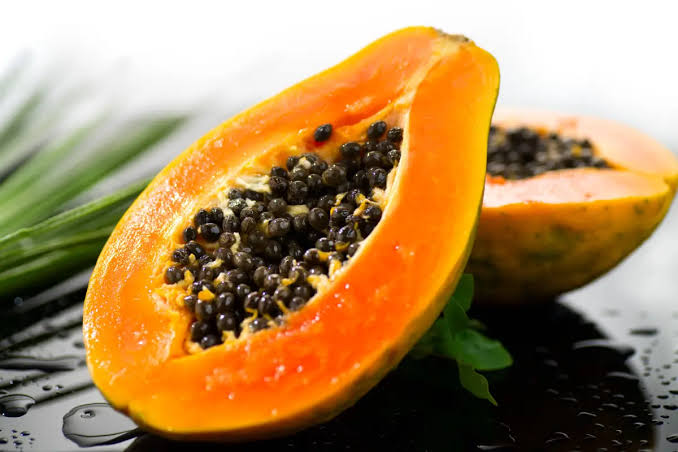
Papaya is a tropical fruit that grows on the papya tree, a large herbaceous plant rather than a true woody tree. The plant produces large, elongated fruits with smooth green skin that gradually turns yellow or orange as they ripen. Inside, ripe papya contains soft, juicy orange or reddish-orange flesh surrounding numerous small black seeds that are edible but have a slightly peppery flavor.
The fruit thrives in warm climates with abundant sunshine, well-drained soil, and consistent moisture. Because papaya grows quickly, many trees begin producing fruit within a year of planting under favorable conditions. This rapid growth and high productivity have made papya an economically important crop for both commercial agriculture and home gardeners throughout tropical regions.
Nutritional Profile of Papaya
Papya is naturally low in calories while providing a rich supply of essential nutrients. It is particularly known for its exceptionally high vitamin C content, often supplying more than the recommended daily intake in a single serving. The fruit also contains vitamin A in the form of beta-carotene, folate, potassium, magnesium, vitamin E, and several B vitamins that contribute to overall health and normal body functions.
Dietary fiber is another valuable component of papya. Fiber supports digestive health by promoting regular bowel movements and contributing to a healthy gut microbiome. In addition, papya contains beneficial antioxidants such as lycopene, beta-carotene, lutein, zeaxanthin, and various flavonoids that help protect cells from oxidative stress caused by free radicals. These nutrients work together to support overall wellness when consumed as part of a varied and balanced diet.
Health Benefits of Papaya
One of the most recognized health benefits of papya is its positive effect on digestion. The fruit contains papain, a natural enzyme that helps break down proteins and supports efficient digestion. Combined with its fiber content, papya may contribute to healthy digestive function and help maintain regularity. Many people choose papya as part of a balanced diet because it is light, hydrating, and easy to digest.
Papya also supports immune function due to its high concentration of vitamin C and other antioxidants. These nutrients contribute to normal immune system function and help protect cells from oxidative damage. The fruit’s vitamin A content supports healthy vision and skin, while potassium contributes to normal muscle and nerve function. Although papya offers many nutritional advantages, it should be viewed as one component of an overall healthy dietary pattern rather than a cure for any medical condition.
Papaya and Digestive Wellness
Digestive health is one of the primary reasons papya has remained popular for generations. Papain assists in breaking down dietary proteins into smaller components that the body can absorb more efficiently. This natural enzyme is also widely used in commercial meat tenderizers because of its ability to soften protein-rich foods. In everyday diets, consuming ripe papya may help support comfortable digestion for many individuals.
The fruit’s combination of water and dietary fiber also promotes healthy bowel function. Adequate fiber intake contributes to digestive regularity while supporting beneficial gut bacteria. Maintaining a healthy digestive system influences many aspects of overall well-being, including nutrient absorption and gastrointestinal comfort. Including papya alongside other fiber-rich fruits and vegetables can be an enjoyable way to support digestive health naturally.
Different Ways to Eat and Use Papaya
Papya is an extremely versatile fruit that can be enjoyed in numerous culinary preparations. Ripe papya is often eaten fresh as a breakfast fruit, snack, or dessert. It blends smoothly into smoothies, juices, yogurt bowls, fruit salads, and tropical beverages. Its naturally sweet flavor pairs well with citrus fruits, berries, bananas, coconut, and fresh herbs, making it a popular ingredient in healthy recipes.
Green, unripe papya is widely used in savory dishes throughout many Asian and Latin American cuisines. It is commonly shredded into fresh salads, lightly cooked in stir-fries, or added to soups and curries. Because unripe papya has a firmer texture and milder flavor than ripe fruit, it readily absorbs seasonings while providing a satisfying crunch. Papya seeds are sometimes used sparingly in culinary applications due to their pepper-like taste, though they should be consumed in moderation.
Growing and Cultivating Papaya
Papya cultivation requires warm temperatures, abundant sunlight, and protection from frost. The plant grows best in fertile, well-drained soil with consistent watering but does not tolerate waterlogged conditions. Since papya has a relatively shallow root system, proper drainage is essential to prevent root diseases and encourage healthy growth. Under ideal conditions, papya plants grow rapidly and begin producing fruit within nine to twelve months after planting.
Commercial papaya farming involves careful management of irrigation, fertilization, pest control, and harvesting practices. Farmers often select disease-resistant varieties to improve productivity and fruit quality. Harvest timing is particularly important because papayas continue ripening after picking. Harvesting fruit at the appropriate stage helps ensure excellent flavor, attractive appearance, and longer shelf life during transportation and storage.
Papaya in Traditional and Modern Wellness
For centuries, various cultures have incorporated papaya into traditional wellness practices. Different parts of the papaya plant, including its leaves, seeds, latex, and roots, have been used in traditional remedies across tropical regions. While some laboratory and preliminary scientific studies have investigated compounds found within these plant parts, many traditional uses require further high-quality clinical research before definitive health claims can be established.
Modern nutrition primarily emphasizes papaya’s established role as a nutrient-rich fruit rather than relying on unverified medicinal claims. Health professionals generally recommend obtaining nutrients through a balanced diet that includes a variety of fruits and vegetables. People considering concentrated papaya supplements or herbal preparations should consult qualified healthcare professionals, particularly if they have existing medical conditions, allergies, or take prescription medications.
How to Choose, Store, and Prepare Papaya
Selecting a high-quality papaya begins with examining its color and texture. A ripe papaya typically has yellow or orange skin with slight softness when gently pressed. Fruits that remain completely green are generally unripe, although they can continue ripening at room temperature over several days. Avoid papayas with extensive bruising, deep cuts, mold, or unpleasant odors, as these may indicate spoilage.
Once ripe, papaya should be refrigerated to slow further ripening and preserve freshness. Before serving, wash the outer skin thoroughly, slice the fruit lengthwise, remove the seeds, and scoop out the flesh. Fresh papaya is best consumed within a few days after ripening for optimal flavor and texture. Proper storage helps maintain nutritional quality while reducing unnecessary food waste.
Why Papaya Remains a Popular Superfruit
Papaya has become widely recognized as a superfruit because it combines excellent nutritional value with exceptional versatility. Its high vitamin C content, antioxidant profile, dietary fiber, and naturally occurring enzymes make it an attractive choice for people seeking wholesome foods that support overall health. Unlike many specialty health foods, papaya is widely cultivated, relatively affordable, and easily incorporated into everyday meals.
Growing awareness of healthy eating has further increased global demand for papaya. Consumers appreciate its refreshing taste, convenient preparation, and compatibility with numerous dietary patterns. Whether enjoyed fresh, blended into smoothies, added to salads, or used in savory recipes, papaya offers both nutritional benefits and culinary flexibility that continue to make it a favorite fruit around the world.
Conclusion
Papaya is far more than a delicious tropical fruit. Rich in vitamins, minerals, antioxidants, dietary fiber, and digestive enzymes, it provides valuable nutritional support as part of a balanced diet. From promoting digestive wellness and supporting immune function to contributing essential nutrients for healthy skin and vision, papaya offers numerous health benefits backed by its impressive nutritional composition. Its versatility in both sweet and savory dishes further enhances its appeal among home cooks and health-conscious consumers alike.
As global interest in nutritious whole foods continues to grow, papaya remains an excellent choice for individuals seeking fresh, flavorful, and naturally nutrient-dense fruits. Whether cultivated in tropical farms or purchased from local markets, ripe papaya delivers exceptional taste alongside meaningful nutritional value. By selecting quality fruit, storing it properly, and incorporating it into a varied diet, people can enjoy the many advantages that have made papaya one of the world’s most popular and beneficial tropical fruits.
