

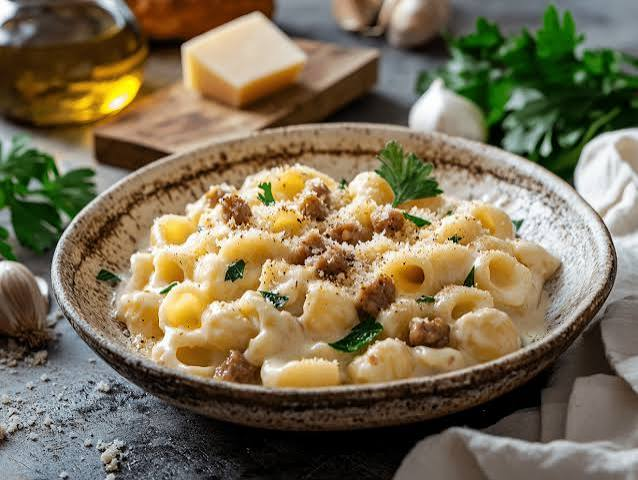
Italian cuisine is celebrated around the world for its regional specialties, and few dishes represent the heart of central Italy as beautifully as Lumache alla Norcina. Originating from the historic region of Umbria, this comforting pasta recipe combines rustic Italian sausage, cream, Pecorino cheese, black truffle, and perfectly shaped lumache pasta to create an unforgettable meal. Although the dish appears simple, its rich flavors are the result of centuries of culinary tradition and carefully selected local ingredients.
Today, lumache alla norcina, has become popular well beyond Italy, appearing on restaurant menus and in home kitchens across Europe, North America, and other parts of the world. Food lovers appreciate its creamy texture, savory sausage, earthy truffle aroma, and authentic Umbrian character. Whether you’re exploring regional Italian recipes or searching for a satisfying pasta dish for a special dinner, Lumache alla Norcina delivers both comfort and sophistication.
The History and Origins of Lumache alla Norcina
Lumache alla Norcina traces its roots to the town of Norcia in southeastern Umbria, an area famous for its long tradition of pork production. The town has been renowned for centuries for producing exceptional cured meats, sausages, and salumi. In fact, the Italian word “norcino” refers to a specialist butcher skilled in preparing pork products, reflecting the deep connection between Norcia and premium-quality pork.
The original version of Pasta alla Norcina did not always include cream. Traditional Umbrian cooks relied on fresh sausage, grated Pecorino cheese, seasonal black truffles, and a small amount of pasta cooking water to create a naturally creamy sauce. Over time, many modern versions added heavy cream to produce an even silkier texture, especially outside Italy where diners often expect richer pasta sauces. Lumache pasta later became a popular choice because its shell-like shape perfectly captures every bit of the creamy sausage sauce.
Why Lumache Pasta Works Perfectly with Norcina Sauce
Lumache pasta, whose name means “snails” in Italian, features a curved shell with a wide opening and ridged exterior. These unique characteristics allow the sauce to cling to every piece of pasta, creating a balanced bite filled with sausage, cheese, cream, and seasonings. Unlike smooth pasta shapes, lumache is specifically designed to hold hearty sauces.
The thick and sturdy structure of lumache also maintains its texture during cooking. Since Norcina sauce is relatively rich and substantial, delicate pasta shapes can become overwhelmed. Lumache offers enough surface area to absorb flavor while remaining pleasantly firm when cooked al dente. This balance between texture and sauce is one reason the dish has become increasingly popular among Italian food enthusiasts.
Traditional Ingredients That Define Authentic Flavor
Authentic Lumache alla Norcina begins with high-quality Italian sausage. Umbrian sausage typically contains finely ground pork seasoned simply with salt, black pepper, garlic, and sometimes a touch of white wine. The meat provides the dish’s rich, savory foundation without overpowering the other ingredients. Removing the sausage from its casing before cooking allows it to brown evenly and blend smoothly into the sauce.
Pecorino Romano or Pecorino Toscano cheese contributes a salty, slightly sharp flavor that complements the richness of the pork. Freshly grated cheese melts into the warm cream, creating a velvety consistency. Fresh black truffle is traditionally shaved over the finished pasta when available, although many home cooks use truffle paste or truffle oil sparingly to achieve a similar earthy aroma. Fresh garlic, shallots, butter, olive oil, black pepper, and a splash of white wine complete the classic flavor profile while enhancing the natural richness of the sauce.
How Lumache alla Norcina Is Prepared
Preparing Lumache alla Norcina begins by browning crumbled Italian sausage in a skillet until it develops a deep golden color. This step creates flavorful caramelized bits that become the foundation of the sauce. Finely chopped shallots or onions are then cooked until soft, followed by garlic for additional aroma. A splash of dry white wine deglazes the pan, lifting all the flavorful browned pieces from the bottom.
Heavy cream is stirred into the pan and gently simmered before grated Pecorino cheese is added gradually to avoid clumping. The cooked lumache pasta is transferred directly into the sauce along with a small amount of reserved pasta water. The starch in the cooking water helps bind the sauce while ensuring a smooth, glossy finish. Freshly ground black pepper and optional shaved black truffle are added just before serving to preserve their delicate aromas.
Regional Variations and Modern Interpretations
While the classic Umbrian recipe remains the benchmark, many regional and international variations have emerged over time. Some Italian chefs omit heavy cream entirely, relying instead on cheese and pasta water to create a lighter sauce that allows the sausage and truffle flavors to shine more prominently. Others incorporate mascarpone for additional creaminess while maintaining a subtle dairy flavor.
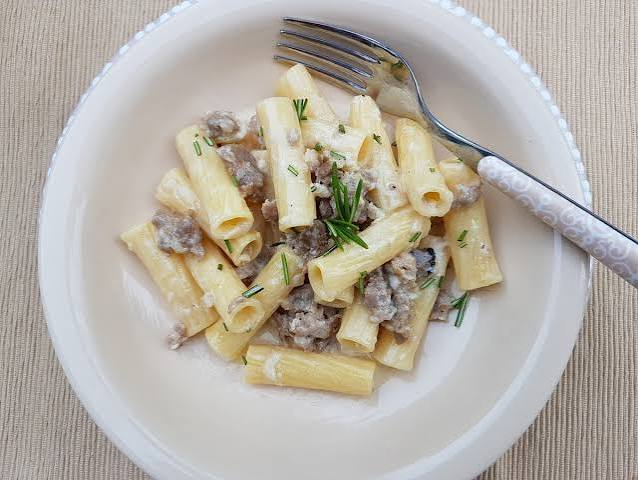
Modern adaptations may include mushrooms, especially cremini or porcini, which enhance the earthy qualities traditionally associated with black truffles. Some recipes use rigatoni, penne, or paccheri when lumache pasta is unavailable, although many chefs agree that lumache remains one of the best pasta shapes for capturing the rich sauce. Vegetarian versions substitute plant-based sausage while preserving the creamy cheese-based sauce, making the dish accessible to a broader audience without completely losing its traditional character.
Tips for Cooking Restaurant-Quality Lumache alla Norcina at Home
Selecting premium ingredients is the single most important factor in creating an authentic result. Fresh Italian pork sausage with minimal fillers provides superior flavor compared to heavily processed alternatives. Freshly grated Pecorino melts more smoothly than pre-packaged shredded cheese, while good-quality cream contributes a luxurious texture without becoming overly heavy. If fresh black truffle is unavailable, a small amount of quality truffle paste often produces a more balanced flavor than excessive truffle oil.
Cooking the pasta until just al dente is equally important. Since the pasta continues cooking briefly in the sauce, slightly undercooking it during boiling prevents it from becoming soft. Reserving pasta cooking water before draining allows the sauce to reach the ideal consistency while helping the cheese emulsify naturally. Gentle heat should always be maintained after adding cream and cheese to prevent separation, ensuring a smooth and cohesive sauce.
Nutritional Profile and Serving Suggestions
Lumache alla Norcina is considered a hearty comfort food, offering generous amounts of protein from pork sausage and calcium from Pecorino cheese. The pasta provides carbohydrates for energy, while the dairy ingredients contribute healthy fats that create the dish’s signature richness. Because of its satisfying nature, moderate portion sizes often provide a complete and filling meal.
Traditionally, the dish is served immediately after preparation while the sauce remains silky and glossy. Freshly cracked black pepper and additional grated Pecorino are commonly added at the table according to personal preference. Many Italian cooks garnish the finished pasta with finely chopped parsley for freshness and color, although the herb is used lightly so it does not compete with the signature sausage and truffle flavors. Warm crusty bread is often served alongside to enjoy every bit of the creamy sauce.
Common Mistakes to Avoid When Making Lumache alla Norcina
One of the most common mistakes is using low-quality sausage that contains excessive fillers or overpowering spices. Authentic Norcina sauce depends on the natural richness of pork rather than aggressive seasoning. Overcooking the sausage can also result in dryness, reducing the juicy texture that makes the sauce so satisfying. Browning the meat gently while preserving its moisture creates the best final result.
Another frequent issue involves overheating the dairy ingredients. Bringing cream and cheese to a rapid boil can cause the sauce to separate or become grainy. Adding cheese gradually over low heat and stirring continuously helps maintain a smooth emulsion. Excessive use of truffle oil may also overpower the dish, masking the delicate balance between sausage, cheese, and cream. Using truffle products with restraint preserves the authentic Umbrian character of the recipe.
Why Lumache alla Norcina Continues to Win Hearts Worldwide
lumache alla norcina represents everything people admire about traditional Italian cooking: simple ingredients transformed into an elegant, deeply satisfying meal. Its success lies not in complicated techniques but in careful preparation, quality ingredients, and respect for regional culinary traditions. The combination of creamy sauce, savory sausage, aged Pecorino, and earthy truffle creates layers of flavor that feel both luxurious and comforting.
As more home cooks discover authentic regional Italian recipes, Lumache alla Norcina continues to grow in popularity. It appeals equally to experienced cooks seeking traditional Umbrian cuisine and beginners looking for an impressive yet approachable pasta recipe. Its versatility also allows subtle adaptations without sacrificing its essential identity, making it suitable for family dinners, celebrations, and restaurant-quality meals at home.
In the end, Lumache alla Norcina is much more than another creamy pasta dish. It tells the story of Umbria’s rich culinary heritage, its renowned pork traditions, and its appreciation for simple ingredients prepared with care. Whether made with freshly shaved black truffle or enjoyed in a more accessible everyday version, the dish captures the warmth and generosity that define Italian home cooking. For anyone exploring authentic Italian pasta recipes, Lumache alla Norcina deserves a place at the top of the list, offering timeless flavors that continue to delight food lovers around the world.
