

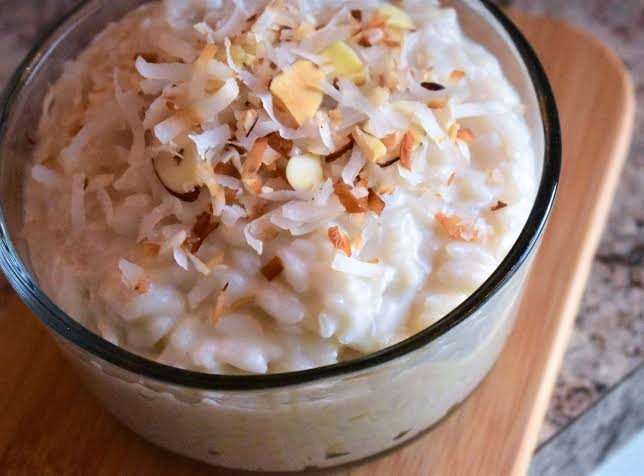
Coconut milk rice is a delicious and aromatic dish that combines the simplicity of rice with the rich, creamy flavor of coconut milk. Popular across many cultures and cuisines, coconut milk rice is celebrated for its versatility, comforting texture, and ability to complement a wide variety of savory and sweet dishes. Whether served alongside grilled meats, seafood, curries, vegetables, or tropical desserts, this flavorful rice dish has become a staple in countless kitchens around the globe.
The magic of coconut milk rice lies in its ability to transform ordinary rice into something extraordinary. By replacing some or all of the cooking water with coconut milk, the rice absorbs a rich, slightly sweet flavor while maintaining a fluffy and tender texture. The result is a dish that feels both comforting and exotic, making it suitable for everyday meals as well as special occasions.
In this comprehensive guide, we will explore the history of coconut milk rice, its ingredients, preparation methods, nutritional benefits, regional variations, serving suggestions, and expert tips for making the perfect coconut milk rice at home.
What Is Coconut Milk Rice?
Coconut milk rice is a rice dish cooked with coconut milk instead of, or in combination with, water or broth. The coconut milk infuses the rice with a creamy texture and subtle sweetness that enhances its overall flavor.
Depending on the region and recipe, coconut milk rice may be:
- Savory
- Sweet
- Mildly seasoned
- Richly spiced
- Served as a side dish
- Enjoyed as a main course
Its adaptability makes it one of the most widely enjoyed rice preparations in the world.
The History of Coconut Milk Rice
Coconut milk rice has deep roots in tropical regions where coconuts are abundant. Countries throughout Southeast Asia, South Asia, Africa, the Caribbean, and Latin America have long incorporated coconut milk into their cooking traditions.
Historically, coconut palms provided a valuable source of food and nutrition in coastal communities. Coconut milk became an essential cooking ingredient due to its rich flavor and availability.
As trade routes expanded, recipes spread between cultures, leading to the development of numerous regional versions of coconut rice. Today, coconut milk rice remains a beloved dish that reflects centuries of culinary tradition.
Why Coconut Milk Rice Is So Popular
Several factors contribute to the popularity of coconut milk rice.
Rich Flavor
The natural sweetness and creaminess of coconut milk elevate the taste of plain rice.
Versatility
It pairs beautifully with both savory and sweet dishes.
Simple Preparation
Only a few ingredients are needed to create a flavorful side dish.
Cultural Significance
Many traditional celebrations and family gatherings feature coconut rice as an important part of the meal.
Comforting Texture
The creamy consistency makes it particularly satisfying.
Key Ingredients
The ingredients required for coconut milk rice are simple but important.
Rice
The choice of rice significantly influences the final result.
Popular options include:
- Jasmine rice
- Basmati rice
- Long-grain white rice
- Medium-grain rice
- Brown rice
Jasmine rice is especially popular because its fragrant aroma complements coconut milk beautifully.
Coconut Milk
Coconut milk is the star ingredient.
Two common varieties include:
Full-Fat Coconut Milk
Produces a rich and creamy texture.
Light Coconut Milk
Offers a lighter version with fewer calories.
Water
Many recipes combine coconut milk with water to balance richness.
Salt
A small amount of salt enhances the natural sweetness of the coconut.
Optional Ingredients
Additional ingredients may include:
- Sugar
- Lime leaves
- Ginger
- Garlic
- Lemongrass
- Pandan leaves
- Cinnamon
These additions can create unique flavor profiles.
How Coconut Milk Is Made
Understanding coconut milk helps explain its culinary appeal.
Coconut milk is produced by:
- Grating mature coconut flesh
- Mixing it with warm water
- Pressing the mixture
- Straining out the liquid
The resulting milk is rich in natural oils and flavor compounds that contribute to its creamy texture.
Unlike dairy milk, coconut milk is naturally plant-based and lactose-free.
Traditional Coconut Milk Rice Recipe
Ingredients
- 2 cups jasmine rice
- 1 can coconut milk
- 1 cup water
- 1 teaspoon salt
Instructions
Step 1: Rinse the Rice
Wash the rice under cold water until the water runs mostly clear.
Step 2: Combine Ingredients
Place rice, coconut milk, water, and salt in a saucepan.
Step 3: Bring to a Boil
Heat the mixture over medium-high heat until it begins to boil.
Step 4: Simmer
Reduce heat to low, cover, and cook for approximately 15–20 minutes.
Step 5: Rest
Allow the rice to rest for 10 minutes after cooking.
Step 6: Fluff and Serve
Use a fork to fluff the rice before serving.
Nutritional Benefits of Coconut Milk Rice
Coconut milk rice can be part of a balanced diet when enjoyed in moderation.
Carbohydrates
Rice provides a valuable source of energy.
Healthy Fats
Coconut milk contains medium-chain triglycerides (MCTs), which are metabolized differently from some other fats.
Minerals
Coconut milk may provide:
- Potassium
- Magnesium
- Iron
- Phosphorus
Plant-Based Option
The dish is naturally vegetarian and can easily fit into vegan meal plans.
Popular Regional Variations
One of the most fascinating aspects of coconut milk rice is its global diversity.
Southeast Asian Coconut Rice
Countries such as Thailand, Malaysia, Indonesia, and Singapore feature coconut rice prominently in their cuisine.
Often paired with:
- Curries
- Fried fish
- Sambal
- Grilled meats
Caribbean Coconut Rice
Caribbean recipes frequently combine coconut milk with beans and spices.
Popular ingredients include:
- Kidney beans
- Thyme
- Scotch bonnet peppers
Indian Coconut Rice
Indian versions often include:
- Curry leaves
- Mustard seeds
- Cashews
- Turmeric
African Coconut Rice
Many African cuisines incorporate coconut milk rice into festive meals and celebrations.
Latin American Coconut Rice
Latin American versions may include raisins, sugar, or cinnamon for a slightly sweet flavor.
Sweet Coconut Milk Rice
Coconut milk rice is not limited to savory dishes.
Sweet versions often include:
- Sugar
- Cinnamon
- Vanilla
- Tropical fruits
These variations are commonly served as desserts or breakfast dishes.
Popular toppings include:
- Mango
- Pineapple
- Banana
- Toasted coconut
Best Rice Varieties for Coconut Milk Rice
Jasmine Rice
Aromatic and fluffy, making it one of the best choices.
Basmati Rice
Provides long grains and a fragrant aroma.
Long-Grain White Rice
Produces light and separate grains.
Brown Rice
Offers additional fiber and nutrients.
Sticky Rice
Creates a richer and denser texture.
Each variety creates a slightly different experience.
Common Flavor Enhancements
Many cooks add ingredients that complement coconut milk.
Ginger
Provides warmth and subtle spice.
Garlic
Adds savory depth.
Lemongrass
Contributes a citrusy aroma.
Lime Zest
Brightens the dish.
Pandan Leaves
Popular in Southeast Asian cuisine.
Cinnamon
Perfect for sweet variations.
What to Serve with Coconut Milk Rice
One reason coconut milk rice remains popular is its versatility.
Curry
The creamy rice pairs exceptionally well with spicy curries.
Grilled Chicken
A classic combination.
Seafood
Shrimp, fish, and scallops complement coconut flavors beautifully.
Stir-Fried Vegetables
Creates a balanced vegetarian meal.
Tropical Fruits
Ideal for sweet coconut rice dishes.
Tofu
A nutritious plant-based pairing.
Vegetarian and Vegan Coconut Rice Meals
Coconut milk rice serves as an excellent foundation for vegetarian and vegan dishes.
Popular pairings include:
- Vegetable curry
- Roasted vegetables
- Tofu stir-fry
- Lentil stew
- Chickpea curry
These combinations provide balanced nutrition and satisfying flavor.
Tips for Perfect Coconut Milk Rice
Use Quality Coconut Milk
High-quality coconut milk produces superior flavor and texture.
Rinse the Rice
Removing excess starch helps prevent clumping.
Don’t Stir Excessively
Too much stirring can make the rice gummy.
Let It Rest
Resting allows moisture to distribute evenly.
Use the Correct Ratio
Balancing coconut milk and liquid is essential for proper texture.
Common Mistakes to Avoid
Too Much Coconut Milk
Excessive coconut milk can result in overly heavy rice.
Insufficient Liquid
Too little liquid may leave the rice undercooked.
High Heat
Cooking too quickly can cause burning.
Skipping Salt
Salt enhances flavor and balances sweetness.
Lifting the Lid Frequently
This releases steam and affects cooking consistency.
Coconut Milk Rice for Special Occasions
Many cultures reserve coconut rice for celebrations and gatherings.
It is commonly served at:
- Weddings
- Festivals
- Family dinners
- Holiday meals
- Religious celebrations
Its rich flavor and appealing aroma make it a memorable addition to any table.
Meal Prep and Storage
Coconut milk rice stores well and is suitable for meal preparation.
Refrigeration
Store in an airtight container for up to four days.
Freezing
Portion into freezer-safe containers and freeze for several months.
Reheating
Add a small amount of water before reheating to restore moisture.
Modern Variations
Contemporary cooks continue to experiment with coconut milk rice.
Popular innovations include:
Coconut Turmeric Rice
Adds color and earthy flavor.
Coconut Cilantro Rice
Fresh herbs create a vibrant finish.
Coconut Lime Rice
A refreshing option for summer meals.
Spicy Coconut Rice
Includes chili peppers or chili flakes.
Coconut Brown Rice
Offers a more nutritious whole-grain alternative.
Why Home Cooks Love Coconut Milk Rice
Home cooks appreciate coconut milk rice because it is:
- Easy to prepare
- Budget-friendly
- Family-friendly
- Versatile
- Flavorful
Its ability to complement a wide range of cuisines makes it a reliable recipe for both beginners and experienced cooks.
The Global Appeal of Coconut Milk Rice
Few rice dishes have achieved the worldwide popularity of coconut milk rice.
Its universal appeal stems from:
- Simple ingredients
- Rich flavor
- Cultural significance
- Adaptability
- Comforting texture
From Southeast Asian street food stalls to elegant restaurants and home kitchens, coconut milk rice continues to delight diners around the world.
Conclusion
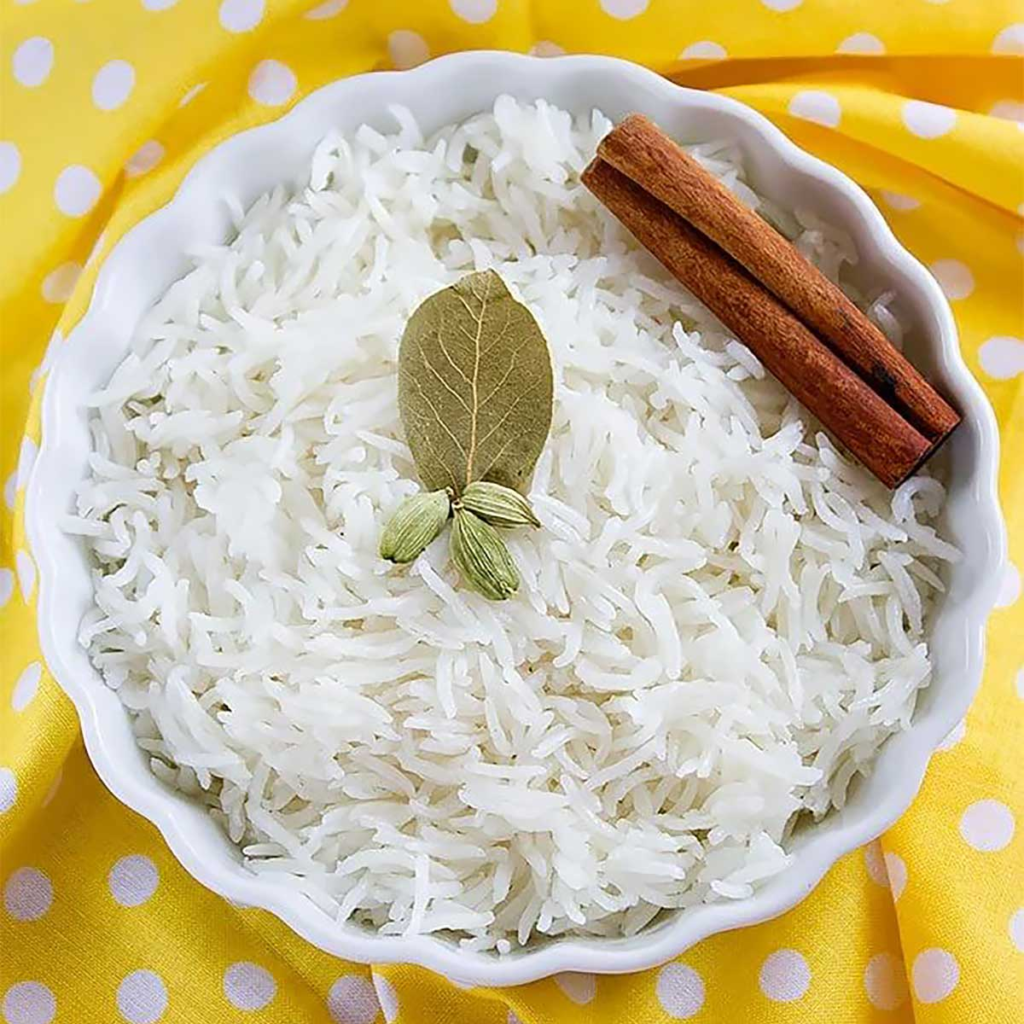
Coconut milk rice is a simple yet extraordinary dish that transforms ordinary rice into a flavorful and satisfying culinary experience. Through the addition of rich coconut milk, rice becomes creamy, aromatic, and versatile enough to accompany countless savory and sweet dishes.
Its long history, global popularity, and remarkable adaptability have secured its place in cuisines across continents. Whether served with spicy curries, grilled seafood, roasted vegetables, or tropical fruits, coconut milk rice consistently delivers comfort, flavor, and nourishment.
For anyone seeking a delicious side dish or a creative way to elevate everyday meals, coconut milk rice remains one of the most rewarding and versatile recipes to master. Rich in tradition, easy to prepare, and endlessly customizable, it continues to be a favorite among home cooks and professional chefs alike.
