

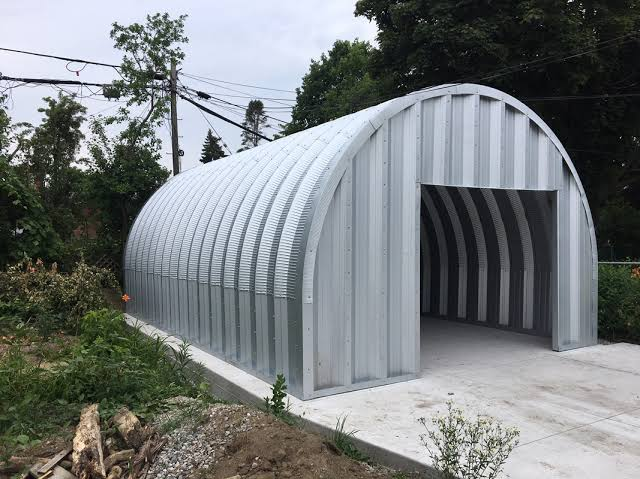
Quonset hut kits have become a popular choice for homeowners, farmers, business owners, and industrial property developers looking for durable, cost-effective, and versatile steel buildings. Originally designed for military use during World War II, Quonset huts have evolved into modern structures suitable for garages, workshops, warehouses, aircraft hangars, agricultural storage, commercial buildings, and even residential homes. Their iconic curved shape offers exceptional strength while minimizing material waste, making them one of the most practical prefabricated building solutions available today.
A modern Quonset hut kit includes nearly everything needed to construct the primary steel structure. Depending on the manufacturer, the kit typically contains galvanized steel panels, fastening hardware, framing components, engineering drawings, and detailed assembly instructions. Buyers can customize the size, insulation, doors, windows, ventilation systems, and interior finishes to meet specific project requirements. Understanding what a Quonset hut kit includes, how it performs, and what factors affect installation costs helps buyers make informed decisions before investing in a steel building.
What Is a Quonset Hut Kit?
A Quonset hut kit is a prefabricated steel building package designed for relatively quick assembly on a prepared foundation. The defining feature of a Quonset hut is its semicircular or arched roof, which distributes weight evenly across the structure. This design creates excellent structural stability while reducing the need for interior support columns, resulting in large open spaces that can be adapted for various purposes.
Most manufacturers produce Quonset hut kits using high-strength galvanized steel that resists corrosion, moisture, insects, and fire better than many traditional construction materials. Since the individual components are precision-engineered before shipping, assembly is generally more efficient than constructing a comparable building entirely from raw materials. This prefabricated approach has made steel building kits increasingly popular for residential, agricultural, commercial, and industrial applications.
Components Included in a Quonset Hut Kit
Although the exact contents vary by manufacturer, most Quonset hut kits include corrugated steel panels, connecting brackets, bolts, nuts, anchors, and structural hardware required for the shell of the building. Engineering plans and installation manuals are also commonly included to guide construction according to the specified design. These components are manufactured to fit together precisely, reducing waste and simplifying the installation process.
Many kits also offer optional upgrades that improve comfort, functionality, and energy efficiency. Buyers may choose insulated wall systems, custom end walls, roll-up garage doors, walk-through entry doors, skylights, ridge ventilation, windows, and additional framing for interior partitions. These customization options allow the same basic Quonset hut design to serve as a workshop, equipment storage facility, office, retail space, or modern living area.
Benefits of Choosing a Quonset Hut Kit
One of the primary advantages of Quonset hut kits is their exceptional durability. The curved steel design distributes wind and snow loads efficiently, allowing the structure to perform well in a wide range of climates. Properly engineered steel buildings can withstand heavy snowfall, strong winds, and severe weather while requiring relatively little maintenance over their lifespan.
Another significant benefit is long-term cost efficiency. Galvanized steel resists rust, termites, mold, and rot, reducing many of the maintenance concerns associated with wood-frame construction. Because the building components are prefabricated, construction timelines are often shorter, helping reduce labor costs. The open-span interior also offers outstanding flexibility, making it easier to modify the building’s layout as storage, business, or residential needs change over time.
Common Uses for Quonset Hut Kits
Modern Quonset hut kits are remarkably versatile and can be adapted for numerous applications. Agricultural users frequently select them for equipment storage, livestock shelters, hay storage, grain protection, and maintenance shops. Their large open interiors provide enough space for tractors, combines, trailers, and other heavy machinery while protecting valuable equipment from weather exposure.
Commercial and residential buyers also appreciate their flexibility. Many businesses use Quonset huts as warehouses, manufacturing facilities, vehicle maintenance shops, retail storage, or distribution centers. Homeowners increasingly convert Quonset hut kits into garages, hobby workshops, guest houses, barndominiums, and full-time residences. With proper insulation and interior finishing, these steel structures can offer comfortable year-round living spaces while maintaining their distinctive architectural appearance.
Choosing the Right Quonset Hut Kit
Selecting the right Quonset hut kit begins with determining the building’s intended purpose. Storage buildings require different dimensions than aircraft hangars, commercial workshops, or residential homes. Width, length, ceiling height, and door openings should all accommodate both current and future needs, ensuring the structure remains functional for many years.
Climate also plays an important role during the selection process. Buyers in regions with heavy snowfall or high winds should ensure the chosen kit is engineered to meet local building codes and environmental loads. Manufacturers often provide engineered drawings that account for regional weather conditions, helping property owners obtain building permits while ensuring the finished structure performs safely under expected conditions.
Foundation and Installation Requirements
Every Quonset hut kit requires a properly prepared foundation before assembly begins. Concrete slabs are among the most common foundation choices because they provide a level, stable surface while supporting heavy loads inside the building. Depending on the site conditions and local regulations, some projects may use perimeter footings or alternative engineered foundation systems.
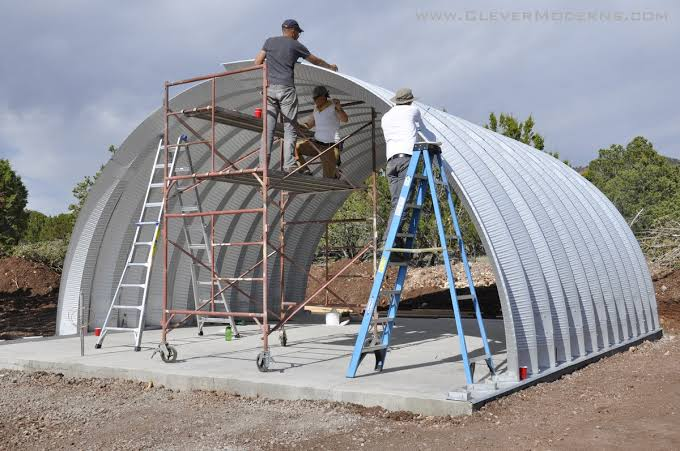
Installation typically starts by anchoring the base components to the foundation before assembling the curved steel arches section by section. Once the primary framework is complete, steel panels are attached using specialized fasteners that create a durable exterior shell. While experienced contractors often complete installation efficiently, some smaller kits are designed for capable do-it-yourself builders who carefully follow the manufacturer’s engineering instructions.
Insulation, Ventilation, and Energy Efficiency
Although steel buildings are naturally durable, insulation plays an essential role in improving comfort and energy performance. Without adequate insulation, temperature fluctuations and condensation can occur inside the structure. Modern insulation systems help regulate indoor temperatures, reduce heating and cooling costs, and minimize moisture buildup that could affect stored equipment or interior finishes.
Ventilation is equally important for maintaining healthy indoor conditions. Ridge vents, gable vents, exhaust fans, and natural airflow systems help control humidity while improving air circulation. Proper ventilation becomes especially valuable in workshops, agricultural buildings, and residential conversions where occupants, machinery, or livestock generate additional heat and moisture throughout the year.
Maintenance and Long-Term Performance
One of the reasons Quonset hut kits remain popular is their relatively low maintenance requirements. Galvanized steel resists corrosion exceptionally well when properly manufactured and installed. Routine inspections should focus on checking fasteners, seals, drainage systems, and any areas where debris or standing water could accumulate over time.
Cleaning the exterior periodically helps preserve both appearance and performance. Owners should also inspect roof penetrations, doors, and windows to ensure weatherproof seals remain intact. With routine maintenance and prompt attention to minor issues, many steel Quonset buildings continue performing reliably for several decades, making them a long-term investment for residential, commercial, and agricultural properties.
Cost Factors and Buying Considerations
The cost of a Quonset hut kit depends on several variables, including building size, steel thickness, engineering specifications, customization options, insulation, and shipping distance. Larger buildings naturally require more materials, while premium features such as insulated panels, custom doors, and specialized ventilation systems increase the overall project budget. Labor, foundation construction, permits, and site preparation should also be considered when estimating total installation costs.
Choosing a reputable manufacturer is one of the most important purchasing decisions. Buyers should review engineering certifications, warranty coverage, customization options, and customer support before placing an order. Requesting detailed project specifications helps ensure the selected kit meets local building codes and provides the structural performance required for its intended use. Investing in quality materials and professional engineering often delivers greater long-term value than selecting the lowest-priced option available.
Conclusion
A Quonset hut kit offers a practical, durable, and highly versatile building solution for a wide range of residential, agricultural, commercial, and industrial applications. Its distinctive curved steel design provides excellent structural strength, spacious open interiors, and impressive resistance to weather, pests, fire, and corrosion. These advantages have helped transform Quonset huts from military structures into modern steel buildings that meet the needs of homeowners, farmers, contractors, and businesses alike.
Choosing the right Quonset hut kit requires careful consideration of building size, intended use, climate conditions, insulation, foundation requirements, and long-term maintenance. When properly engineered, installed, and maintained, a steel Quonset hut can provide reliable performance for decades while offering flexibility for future expansion or interior modifications. For buyers seeking an efficient, low-maintenance, and cost-effective prefabricated building, a high-quality Quonset hut kit remains one of the most dependable and versatile construction options available today.
