

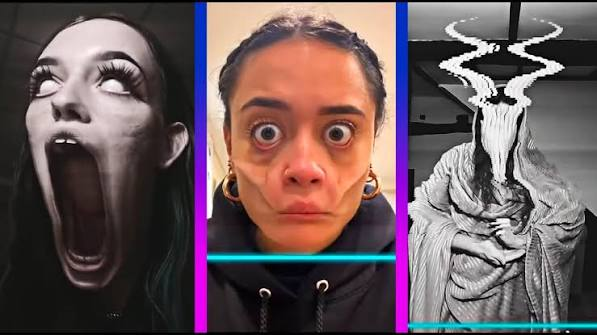
Time Warp Scan is one of the most popular camera effects to emerge from the world of social media. Known for creating funny, distorted, and often surprising images and videos, this filter gained worldwide attention on platforms such as TikTok, Instagram, Snapchat, and other short-form video apps. Millions of users have experimented with the effect to create unique content, making it a major trend in digital entertainment and creative photography.
What makes Time Warp Scan so appealing is its ability to transform ordinary moments into visually interesting creations. Unlike traditional filters that simply adjust colors or add overlays, this effect changes the way an image is captured. By scanning across the screen gradually, it records different parts of a scene at different moments in time. The result is a warped image or video that can stretch, bend, duplicate, or reshape objects in unexpected ways. As social media users continue seeking engaging and shareable content, Time Warp Scan remains a favorite tool for creative expression.
What Is Time Warp Scan?
Time Warp Scan is a camera effect that captures images or videos using a moving scan line. Instead of recording the entire frame at once, the filter records one section at a time as the scan line moves across the screen. Anything that changes position while the scan is moving can appear distorted in the final image.
The effect became widely recognized through viral challenges on TikTok and Snapchat. Users discovered that moving their bodies, faces, hands, pets, or everyday objects during the scan could create humorous and artistic results. This unique scanning process allows people to create content that looks impossible with standard photography techniques.
The popularity of the filter stems from its accessibility. Most users can activate the effect with a single tap and begin experimenting immediately. Because no advanced photography skills are required, the filter appeals to both casual users and content creators who want to produce eye-catching social media posts.
How Time Warp Scan Works
The technology behind Time Warp Scan is based on sequential image capture. Rather than freezing a moment instantly like a regular camera, the filter records visual information line by line. As the scan line travels vertically or horizontally, each section of the image is captured at a slightly different time.
This scanning process creates visual distortions whenever objects move during capture. If a person shifts position, changes facial expressions, or moves an object, different parts of that movement become recorded separately. The final result combines these moments into a single image or video, producing the distinctive warped appearance associated with the filter.
Modern smartphones and social media applications use advanced image-processing technology to perform this effect in real time. The software tracks the movement of the scan line while continuously capturing visual data. This allows users to instantly see and share their creations without requiring professional editing software.
Why Time Warp Scan Became a Viral Trend
One reason Time Warp Scan became a viral sensation is its unpredictability. Users never know exactly how the final image will look until the scan is complete. This element of surprise encourages experimentation and often leads to entertaining results that people want to share with friends and followers.
Social media algorithms also played a significant role in the filter’s growth. Short videos featuring unusual visual effects tend to attract attention quickly, increasing engagement through likes, comments, and shares. As more creators participated in Time Warp Scan challenges, the trend spread rapidly across multiple platforms.
The filter also supports creativity in a way that appeals to a broad audience. Children, teenagers, adults, influencers, and brands have all used Time Warp Scan to create engaging content. Its ability to combine humor, art, and technology has helped maintain its popularity long after its initial viral rise.
Popular Time Warp Scan Challenges and Ideas
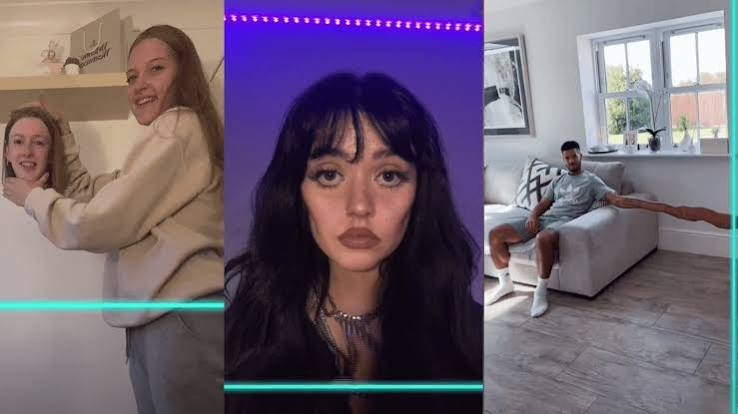
Many of the most successful Time Warp Scan videos involve face transformations. Users manipulate facial features by moving during the scan, creating elongated noses, oversized eyes, unusual hairstyles, and other amusing distortions. These transformations often generate strong reactions because they dramatically alter familiar appearances.
Another popular approach involves using objects such as flowers, books, toys, or household items. By moving these objects at specific moments, creators can produce artistic shapes and visual illusions. Some users even create images that resemble digital artwork despite being generated entirely through the scanning process.
Pet-related Time Warp Scan content has also become extremely popular. Dogs, cats, and other animals often move unexpectedly during the scan, creating funny and unpredictable results. These videos frequently gain significant engagement because they combine the appeal of pets with the entertainment value of the filter.
Time Warp Scan on TikTok, Snapchat, and Instagram
TikTok played a major role in introducing Time Warp Scan to a global audience. The platform’s short-video format made it ideal for showcasing creative experiments and viral challenges. Many creators gained substantial visibility by producing innovative content using the effect.
Snapchat has been one of the most prominent platforms offering the Time Warp Scan lens. The app regularly updates its augmented reality features, allowing users to access advanced camera effects directly within the application. Snapchat users continue to use the filter for both photos and videos, keeping the trend active among younger audiences.
Instagram also supports similar scanning effects through its camera features and creator-generated filters. Content creators frequently share Time Warp Scan videos through Stories, Reels, and posts, expanding the reach of the trend. The availability of the effect across multiple platforms has contributed to its lasting popularity.
Creative Uses Beyond Entertainment
Although Time Warp Scan is often associated with humor, it has creative applications beyond entertainment. Artists and photographers sometimes use the effect to explore concepts related to movement, time, and visual perception. The filter can generate abstract images that resemble digital art or experimental photography.
Educational content creators occasionally use the filter to demonstrate principles of motion and image capture. By showing how objects appear when recorded at different moments, they help audiences understand basic concepts related to photography and video technology.
Marketing professionals and brands have also incorporated Time Warp Scan into promotional campaigns. The effect attracts attention and encourages audience participation, making it a useful tool for increasing engagement on social media. Interactive campaigns using the filter often inspire user-generated content that expands brand visibility.
Tips for Creating Better Time Warp Scan Videos
Successful Time Warp Scan content often begins with planning. Understanding how the scan line moves allows users to predict where distortions will occur. By coordinating movements carefully, creators can achieve more intentional and visually appealing results.
Lighting also plays an important role in image quality. Bright, even lighting helps the camera capture details more clearly, resulting in cleaner and more impressive effects. Poor lighting may reduce the visual impact of the final image and make distortions harder to recognize.
Patience and experimentation are equally important. Because the filter responds differently depending on movement speed, timing, and positioning, creators often need multiple attempts to achieve their desired outcome. Repeating experiments and adjusting movements can lead to surprisingly creative results.
The Technology Behind Scan-Based Camera Effects
Time Warp Scan belongs to a broader category of scan-based imaging techniques. Similar principles have existed in photography, video capture, and digital imaging technologies for many years. Advances in smartphone processing power have made these techniques accessible to everyday users.
Augmented reality and real-time image processing have further enhanced the effectiveness of scan-based filters. Modern devices can analyze visual information rapidly, allowing complex effects to be applied instantly. This capability has transformed smartphone cameras into powerful creative tools that were once limited to professional software.
The success of Time Warp Scan demonstrates how advanced technology can become mainstream when presented in an engaging and user-friendly format. What was once a technical imaging concept has evolved into a global social media phenomenon enjoyed by millions of people.
Safety, Privacy, and Responsible Use
Like any social media feature, Time Warp Scan should be used responsibly. Users should be mindful of their surroundings when creating content, particularly if they are recording videos that involve movement. Maintaining awareness of the environment helps prevent accidents and ensures a safer experience.
Privacy considerations are also important. Content creators should obtain permission before recording or sharing images of other people. Respecting privacy rights contributes to a positive online environment and promotes responsible social media use.
Parents may also wish to supervise younger users who enjoy experimenting with camera effects. While Time Warp Scan itself is generally harmless, guidance regarding online sharing and digital safety can help children use social media tools responsibly and confidently.
Conclusion
Time Warp Scan has become one of the most recognizable and entertaining camera effects in modern social media culture. By capturing images through a moving scan line, the filter creates unique distortions that transform ordinary moments into memorable visual experiences. Its combination of creativity, humor, and accessible technology has helped it remain popular across TikTok, Snapchat, Instagram, and other digital platforms.
Beyond viral trends and funny challenges, Time Warp Scan highlights the growing role of advanced imaging technology in everyday content creation. From artistic experimentation and educational demonstrations to brand marketing and personal entertainment, the filter offers countless opportunities for creative expression. As social media continues evolving, Time Warp Scan remains a powerful example of how innovative camera effects can capture attention, inspire creativity, and connect people through shared digital experiences.
