

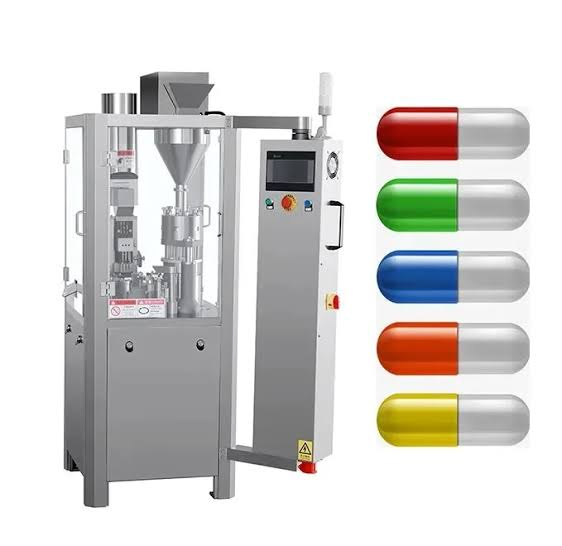
The pharmaceutical, nutraceutical, herbal, and dietary supplement industries rely on precise manufacturing equipment to produce safe and consistent products. Among the most important pieces of equipment used in capsule production is the capsule filling machine. Whether manufacturing prescription medications, vitamin supplements, herbal powders, probiotics, or sports nutrition products, capsule filling machines play a vital role in ensuring every capsule contains the correct amount of material while meeting strict quality standards.
As demand for capsules continues to grow worldwide, manufacturers increasingly invest in advanced capsule filling technology to improve productivity, reduce waste, and maintain regulatory compliance. Modern, capsule filling machines, offer greater accuracy, higher production speeds, automated quality control, and compatibility with a wide variety of capsule sizes and formulations. This comprehensive guide explains everything you need to know about capsule filling machines, including their working principles, different types, key components, applications, maintenance, benefits, and factors to consider before purchasing one.
What Is a Capsule Filling Machine?
A capsule filling machine is specialized pharmaceutical manufacturing equipment designed to fill empty hard capsules with measured quantities of powders, granules, pellets, tablets, liquids, or other approved formulations. After filling, the machine securely closes the capsule, ensuring that each unit meets predetermined dosage and quality specifications. These machines are widely used in pharmaceutical manufacturing facilities, dietary supplement production plants, research laboratories, contract manufacturing organizations, and herbal medicine industries.
The primary purpose of a capsule filling machine is to improve production efficiency while maintaining dosing accuracy. Manual capsule filling can be time-consuming and may result in inconsistent fill weights, especially when producing large quantities. Automated and semi-automatic equipment minimizes human error by accurately dispensing materials into each capsule according to programmed settings. This consistency is essential for product quality, patient safety, and regulatory compliance.
Capsule filling machines support a wide range of capsule sizes, commonly from size 000 to size 5, allowing manufacturers to produce products suitable for different dosage requirements. Depending on the machine’s design, manufacturers can process gelatin capsules, vegetarian capsules, hydroxypropyl methylcellulose capsules, and other specialized capsule materials used throughout the pharmaceutical and nutraceutical industries.
How a Capsule Filling Machine Works
Although machine designs vary depending on automation level and production capacity, most capsule filling machines follow a similar operational sequence. The process begins by loading empty capsules into the feeding system, where they are automatically oriented so that the capsule body and cap can be separated. Precision mechanisms ensure that capsules remain properly aligned throughout the filling cycle.
Once separated, the capsule bodies move to the filling station where accurately measured quantities of powder, granules, pellets, or other approved materials are dispensed. Sophisticated dosing mechanisms help maintain consistent fill weights while reducing material waste. Depending on the formulation, machines may use tamping pins, dosing discs, augers, vacuum systems, or piston-based filling technologies to achieve precise dosing.
After filling is complete, the capsule caps are repositioned and securely locked onto the capsule bodies. Many modern machines include integrated inspection systems that automatically detect improperly filled, damaged, or unlocked capsules before they proceed to packaging. This automated quality control process significantly improves production efficiency while maintaining product integrity.
Types of Capsule Filling Machines
Capsule filling machines are available in several configurations to meet different production requirements. Manual capsule filling machines are commonly used in research laboratories, educational institutions, small businesses, and startup supplement manufacturers. These machines require operators to load capsules, fill materials manually, and complete the closing process by hand. Although production capacity is limited, manual machines provide an affordable solution for small-scale manufacturing.
Semi-automatic capsule filling machines combine manual preparation with automated filling functions. Operators typically load capsules and oversee production while the machine performs filling, alignment, and locking processes. These systems offer improved productivity compared to manual equipment while remaining more affordable than fully automated industrial machines. Many medium-sized nutraceutical manufacturers choose semi-automatic systems because they provide an excellent balance between cost and production efficiency.
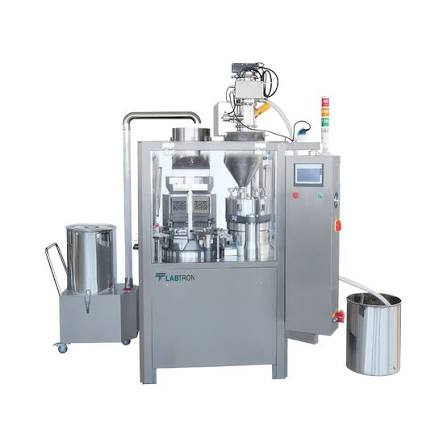
Fully automatic capsule filling machines are designed for high-volume pharmaceutical and dietary supplement manufacturing. These advanced systems automate capsule feeding, separation, filling, locking, rejection, polishing, and sometimes even inspection. Modern pharmaceutical production lines may process tens of thousands to hundreds of thousands of capsules per hour while maintaining exceptional dosing accuracy. Automation reduces labor requirements, increases consistency, and supports continuous manufacturing operations.
Key Components of a Capsule Filling Machine
Every capsule filling machine contains several precision-engineered components that work together to ensure reliable performance. The capsule hopper stores empty capsules before they enter the feeding system. Orientation mechanisms align capsules correctly so they can be separated efficiently without damaging the capsule shells. Proper capsule alignment is critical for maintaining smooth production and minimizing downtime.
The filling station represents the heart of the machine. Depending on the product formulation, different filling mechanisms accurately dispense powders, granules, pellets, or liquid formulations into each capsule body. Advanced sensors continuously monitor production parameters to maintain dosage consistency and identify potential issues before they affect product quality.
The capsule closing system securely joins the capsule cap and body after filling. Many modern machines also include capsule polishing units that remove excess powder from the capsule surface before packaging. Integrated inspection systems further enhance quality by identifying damaged capsules, incomplete fills, weight deviations, or improperly sealed products. Together, these components help manufacturers maintain high production standards while reducing product defects.
Industrial Applications of Capsule Filling Machines
The pharmaceutical industry represents the largest user of capsule filling machines. Prescription medications, over-the-counter drugs, antibiotics, pain relievers, gastrointestinal medicines, and many specialized therapies are commonly manufactured using encapsulation technology. Capsules offer precise dosing, convenient administration, and protection for sensitive active pharmaceutical ingredients, making them one of the preferred dosage forms worldwide.
The nutraceutical and dietary supplement industries also rely heavily on capsule filling equipment. Manufacturers produce vitamins, minerals, probiotics, omega-3 supplements, herbal extracts, collagen products, sports nutrition formulas, mushroom supplements, and botanical ingredients in capsule form. Consumers often prefer capsules because they are easy to swallow, provide accurate dosing, and help preserve ingredient stability.
Research laboratories, clinical trial facilities, universities, and contract manufacturing organizations frequently use capsule filling machines for product development and small-batch production. These organizations require flexible equipment capable of handling different formulations while supporting research, stability testing, and formulation optimization. The versatility of modern capsule filling technology makes it valuable across numerous healthcare and scientific applications.
Advantages of Using Capsule Filling Machines
One of the greatest advantages of capsule filling machines is dosing accuracy. Pharmaceutical regulations require manufacturers to deliver consistent quantities of active ingredients in every dosage unit. Automated capsule filling equipment minimizes variation by precisely controlling material flow during production. This consistency improves product quality while helping manufacturers meet stringent regulatory requirements.
Production efficiency represents another significant benefit. Automated capsule filling machines dramatically increase manufacturing capacity compared to manual production methods. Faster production allows manufacturers to meet growing market demand while reducing labor costs and improving operational efficiency. Continuous production also helps optimize facility utilization and maximize return on equipment investment.
Capsule filling machines additionally contribute to improved hygiene and reduced contamination risks. Enclosed production systems limit operator contact with pharmaceutical ingredients while supporting Good Manufacturing Practice standards. Many machines are constructed from pharmaceutical-grade stainless steel and designed for easy cleaning, helping maintain sanitary production environments and product safety.
Maintenance and Quality Control
Proper maintenance is essential for ensuring reliable capsule filling machine performance. Regular cleaning prevents powder accumulation that could interfere with accurate filling or contaminate subsequent production batches. Manufacturers typically establish cleaning procedures based on the products being processed, regulatory requirements, and equipment manufacturer recommendations.
Routine inspection of moving components helps identify wear before mechanical failures occur. Bearings, filling mechanisms, capsule alignment systems, sensors, and lubrication points require scheduled maintenance to maintain optimal performance. Preventive maintenance reduces unexpected downtime while extending equipment lifespan and improving overall production reliability.
Quality control extends beyond machine maintenance. Manufacturers routinely verify fill weights, capsule integrity, locking performance, and product appearance throughout production. Modern capsule filling machines often integrate electronic monitoring systems that automatically detect abnormalities, allowing operators to correct issues before large quantities of defective products are produced. This proactive approach supports consistent product quality and regulatory compliance.
Choosing the Right Capsule Filling Machine
Selecting the appropriate capsule filling machine depends on production goals, product characteristics, and long-term business requirements. Production volume remains one of the most important considerations. Small research laboratories or startup supplement companies may require only manual or semi-automatic equipment, while large pharmaceutical manufacturers benefit from fully automated production systems capable of continuous operation.
Product formulation also influences equipment selection. Different filling technologies are optimized for powders, pellets, granules, tablets, liquids, or combination formulations. Manufacturers should ensure that the selected machine can process their intended products while maintaining consistent fill accuracy and minimizing material waste. Future product expansion should also be considered when evaluating equipment capabilities.
Budget, available facility space, operator training, maintenance support, and regulatory requirements all contribute to the purchasing decision. Investing in reliable equipment from established manufacturers often provides better long-term value through improved durability, technical support, spare parts availability, and compliance with international pharmaceutical manufacturing standards.
Future Trends in Capsule Filling Technology
Advancements in automation continue transforming capsule filling technology. Modern production systems increasingly incorporate robotics, intelligent sensors, and digital monitoring platforms that optimize machine performance in real time. These innovations improve production efficiency while reducing operator intervention and enhancing overall manufacturing consistency.
Artificial intelligence and machine learning are beginning to influence pharmaceutical manufacturing by enabling predictive maintenance and advanced process optimization. Smart monitoring systems analyze production data continuously, identifying patterns that may indicate equipment wear or process deviations before problems occur. This proactive approach minimizes downtime while improving manufacturing reliability.
Sustainability is also becoming an important consideration within capsule manufacturing. Equipment manufacturers are designing machines that reduce energy consumption, minimize material waste, and improve production efficiency. Growing consumer demand for vegetarian capsules, plant-based formulations, and environmentally responsible manufacturing practices continues driving innovation throughout the capsule filling equipment industry.
Conclusion
Capsule filling machines are essential components of modern pharmaceutical, nutraceutical, herbal, and dietary supplement manufacturing. Their ability to accurately fill capsules with consistent doses while maintaining high production efficiency has made them indispensable across healthcare and wellness industries. From small laboratory systems to fully automated industrial production lines, capsule filling machines support the safe and reliable manufacturing of millions of capsules every day.
As technology continues advancing, today’s capsule filling machines offer greater automation, improved precision, enhanced quality control, and better regulatory compliance than ever before. Manufacturers investing in reliable capsule filling equipment benefit from increased productivity, reduced operational costs, consistent product quality, and the flexibility to meet evolving market demands. Whether producing prescription medicines, nutritional supplements, or innovative healthcare products, capsule filling machines remain one of the most important technologies supporting modern pharmaceutical manufacturing.
