

Introduction
Precision CNC machining has become one of the most important manufacturing technologies in modern industry. From aerospace and automotive components to medical devices and electronics, manufacturers rely on CNC machining to produce highly accurate parts with exceptional consistency. As product designs become more complex and quality standards continue to rise, precision machining plays a critical role in delivering components that meet exact specifications while reducing production errors and material waste.
Computer Numerical Control, commonly known as CNC, uses advanced software and automated machinery to shape raw materials into finished products with incredible accuracy. Unlike traditional manual machining, precision cnc machining, follow digital instructions generated from CAD and CAM software, allowing manufacturers to create intricate parts repeatedly with minimal variation. This level of automation improves efficiency, shortens production times, and supports both small prototype projects and high-volume manufacturing.
This comprehensive guide explains everything you need to know about precision CNC machining, including how the process works, the equipment involved, the materials used, key benefits, industrial applications, quality standards, and future innovations. Whether you are a manufacturer, engineer, product designer, or business owner, understanding precision CNC machining can help you make informed decisions when selecting manufacturing solutions for your projects.
What Is Precision CNC Machining?
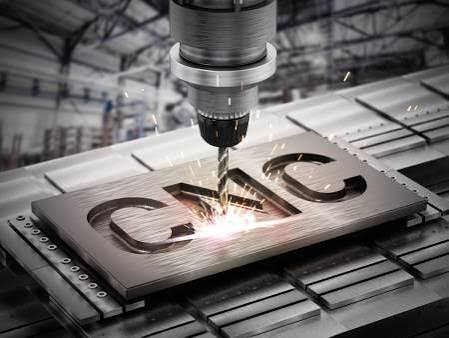
Precision CNC machining is an advanced manufacturing process that removes material from a workpiece using computer-controlled cutting tools to produce parts with extremely tight tolerances and accurate dimensions. Every movement of the machine is directed by pre-programmed software, allowing it to perform complex cutting, drilling, milling, turning, boring, and finishing operations with remarkable consistency. Because the process is automated, manufacturers can repeatedly produce identical components while maintaining strict quality standards.
The foundation of precision CNC machining lies in digital manufacturing technology. Engineers first create a three-dimensional model using Computer-Aided Design (CAD) software. That design is then converted into machine instructions through Computer-Aided Manufacturing (CAM) software, which generates the tool paths required for production. Once the CNC program is loaded into the machine, cutting tools move along multiple axes to shape the material according to the exact design specifications. This process significantly reduces human error while improving production speed and repeatability.
Modern precision CNC machining supports a wide range of manufacturing requirements, from single custom prototypes to thousands of production parts. Industries that demand exceptional reliability often depend on CNC machining because even the smallest dimensional error can affect product performance, safety, and durability. As manufacturing technologies continue to evolve, precision machining remains one of the most trusted methods for producing high-quality components.
How Precision CNC Machining Works
The CNC machining process begins with careful planning and digital design. Engineers develop detailed CAD models that define every dimension, hole location, surface feature, and tolerance required for the finished component. These digital models provide the foundation for manufacturing by ensuring every design element is accurately translated into machine instructions. CAM software then calculates the most efficient cutting paths, spindle speeds, feed rates, and tool changes needed to complete the part.
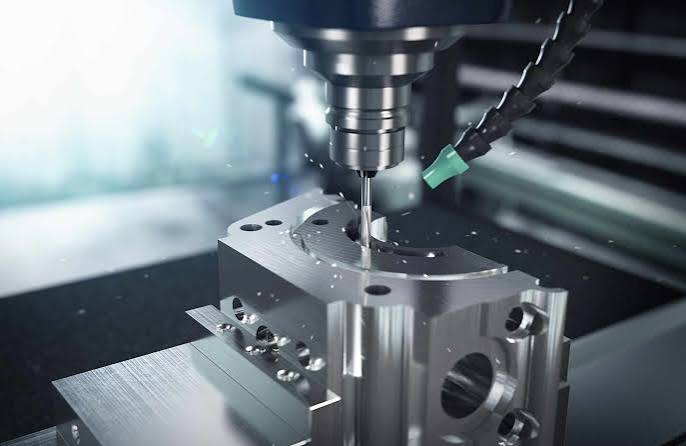
Once programming is complete, the selected raw material is securely mounted on the CNC machine. Depending on the required operation, manufacturers may use CNC milling machines, CNC lathes, machining centers, or multi-axis CNC equipment. High-speed cutting tools gradually remove material while continuously following the programmed tool paths. Throughout the machining process, sensors and control systems monitor positioning and movement to maintain exceptional accuracy and repeatability.
After machining is completed, each component undergoes inspection and quality verification before delivery. Precision measuring instruments such as coordinate measuring machines (CMMs), digital calipers, micrometers, laser scanners, and optical inspection systems verify that every dimension falls within the required tolerance range. If necessary, additional finishing operations such as polishing, deburring, anodizing, coating, or heat treatment may be performed to achieve the desired appearance, durability, and performance.
Materials Used in Precision CNC Machining
One of the greatest strengths of precision CNC machining is its ability to work with a wide variety of engineering materials. Aluminum remains one of the most commonly machined metals because it offers an excellent combination of strength, lightweight properties, corrosion resistance, and machinability. Stainless steel is another popular choice for applications requiring durability, chemical resistance, and long service life. Carbon steel, brass, copper, titanium, magnesium, and specialty alloys are also widely used depending on the performance requirements of the finished product.
Engineering plastics have become increasingly important in CNC machining due to their lightweight characteristics, electrical insulation properties, and resistance to chemicals. Materials such as ABS, nylon, PEEK, Delrin, polycarbonate, acrylic, PTFE, and UHMW are frequently machined into components used in electronics, medical equipment, food processing, and industrial automation. These plastics provide manufacturers with excellent dimensional stability while reducing overall product weight.
Material selection depends on several factors, including mechanical strength, operating temperature, corrosion resistance, weight, machining complexity, and overall production cost. Experienced CNC machining providers evaluate these requirements carefully before recommending the most suitable material for each application. Choosing the right material not only improves product performance but also enhances manufacturing efficiency and extends the service life of the finished component.
Benefits of Precision CNC Machining
Precision CNC machining offers exceptional accuracy that is difficult to achieve with conventional manufacturing methods. Modern CNC equipment can produce components with extremely tight tolerances, making it ideal for industries where even the smallest dimensional variation can affect performance or safety. This high level of precision ensures that every part fits correctly during assembly, reducing production errors and minimizing the need for costly rework. Consistent quality also helps manufacturers meet strict industry standards while maintaining customer confidence.
Another major advantage is improved production efficiency. Once a machining program has been created and tested, the same design can be manufactured repeatedly with minimal manual intervention. Automated tool changes, optimized cutting paths, and continuous machine operation significantly reduce production time while increasing output. This efficiency makes precision CNC machining suitable for both rapid prototyping and large-scale manufacturing, allowing businesses to respond quickly to changing market demands without sacrificing quality.
The process also supports outstanding design flexibility. Complex geometries, intricate holes, detailed contours, and custom features can be machined with remarkable consistency using multi-axis CNC technology. Manufacturers can produce highly specialized components that would be difficult or impossible to create using manual machining methods. Combined with reduced material waste and reliable repeatability, these advantages make precision CNC machining one of the most cost-effective manufacturing solutions available today.
Industries That Rely on Precision CNC Machining
Precision CNC machining serves a wide range of industries that require dependable, high-quality components. The aerospace industry depends heavily on CNC machining for manufacturing engine components, structural brackets, landing gear parts, turbine blades, and aircraft housings. These components must meet extremely strict quality and safety standards, making precise dimensional accuracy essential. Lightweight materials such as aluminum and titanium are frequently machined to improve fuel efficiency while maintaining structural strength.
The medical industry also relies on precision machining to manufacture surgical instruments, orthopedic implants, dental devices, prosthetic components, and diagnostic equipment. Medical products require exceptional precision because they directly affect patient safety and treatment outcomes. CNC machining allows manufacturers to produce complex medical parts with smooth surface finishes and highly accurate dimensions that comply with demanding healthcare regulations.
Automotive manufacturers use CNC machining to produce engine blocks, transmission components, suspension parts, brake system components, fuel system parts, and custom performance upgrades. In addition, industries such as electronics, robotics, telecommunications, defense, energy, marine, industrial automation, and semiconductor manufacturing depend on CNC machining to create reliable parts capable of performing under demanding operating conditions. Its versatility continues to make it an essential technology across modern manufacturing sectors.
Quality Control and Accuracy in Precision CNC Machining
Quality control is a critical part of every precision CNC machining project because customers expect parts that consistently meet exact specifications. Manufacturers establish strict inspection procedures throughout the production process, beginning with raw material verification and continuing through machining, finishing, and final inspection. Continuous monitoring helps identify potential issues early, reducing waste and ensuring every finished component meets customer requirements.
Advanced measuring equipment plays an essential role in maintaining machining accuracy. Coordinate Measuring Machines (CMMs), laser measurement systems, digital micrometers, optical comparators, surface roughness testers, and automated inspection technologies are commonly used to verify dimensions and surface quality. These inspection methods allow manufacturers to detect even microscopic deviations from design specifications and confirm that each component falls within the required tolerance limits.
Many professional CNC machining companies also operate under internationally recognized quality management systems to demonstrate consistent manufacturing practices. Careful documentation, machine calibration, preventive maintenance, process validation, and employee training all contribute to maintaining reliable production standards. By combining advanced inspection technology with disciplined manufacturing procedures, precision CNC machining delivers the accuracy, consistency, and reliability required for today’s most demanding engineering applications.
Choosing the Right Precision CNC Machining Service Provider
Selecting the right precision CNC machining partner is one of the most important decisions for any manufacturing project. An experienced service provider should have modern CNC equipment, skilled machinists, and a proven history of producing high-quality components for various industries. Reviewing certifications, production capabilities, customer feedback, and previous projects can help determine whether a company has the expertise needed to meet your specifications. A reliable manufacturer should also be able to handle everything from prototype development to full-scale production while maintaining consistent quality.
Communication and engineering support are equally important when evaluating a machining provider. A professional CNC shop works closely with customers during the design and manufacturing process, offering recommendations that improve manufacturability, reduce production costs, and shorten lead times. Early collaboration can identify potential design challenges before production begins, resulting in better product performance and fewer manufacturing delays. Companies that invest in advanced CAD and CAM software, modern inspection equipment, and continuous employee training are often better prepared to deliver dependable results.
Production capacity and delivery performance should also be considered before making a final decision. Businesses operating in competitive markets often require short lead times without compromising precision or quality. A machining provider with efficient production planning, strict quality control procedures, and flexible manufacturing capabilities can respond quickly to changing customer demands while maintaining consistent standards. Choosing the right partner ultimately contributes to smoother production, lower overall costs, and long-term business success.
The Future of Precision CNC Machining
The future of precision CNC machining is being shaped by rapid technological advancements that continue to improve manufacturing efficiency and accuracy. Artificial intelligence, machine learning, and smart automation are increasingly being integrated into CNC systems, allowing machines to optimize cutting parameters, monitor tool wear, and predict maintenance requirements before problems occur. These intelligent technologies reduce downtime, improve productivity, and help manufacturers maintain consistently high levels of precision throughout the production process.
Digital manufacturing is also transforming the industry through greater connectivity and real-time data analysis. Modern CNC machines can communicate with production management systems, quality control equipment, and cloud-based monitoring platforms, enabling manufacturers to track performance and make informed decisions more quickly. The growing adoption of Industry 4.0 technologies is creating more efficient production environments where machines, software, and operators work together seamlessly to maximize output and reduce waste.
Sustainability has become another major focus in precision CNC machining. Manufacturers are adopting energy-efficient machinery, environmentally friendly cutting fluids, recyclable materials, and optimized machining strategies that reduce material waste while lowering operating costs. As industries continue demanding higher-quality products with shorter production cycles, precision CNC machining will remain a cornerstone of advanced manufacturing, delivering innovative solutions for increasingly complex engineering challenges.
Conclusion
Precision CNC machining has revolutionized modern manufacturing by combining advanced computer technology with highly accurate machining processes to produce components that meet the strictest quality standards. Its ability to manufacture complex parts with exceptional precision, repeatability, and efficiency has made it indispensable across industries such as aerospace, automotive, medical, electronics, robotics, energy, and industrial equipment. From prototype development to high-volume production, CNC machining provides manufacturers with a dependable solution for creating reliable, high-performance products.
As manufacturing technology continues to evolve, precision CNC machining will remain at the forefront of innovation. Advances in automation, artificial intelligence, multi-axis machining, digital manufacturing, and sustainable production methods are expanding the capabilities of CNC systems while improving productivity and reducing operational costs. By partnering with an experienced CNC machining provider and selecting the right materials and manufacturing processes, businesses can achieve superior product quality, faster production times, and long-term success in today’s highly competitive global market.
