

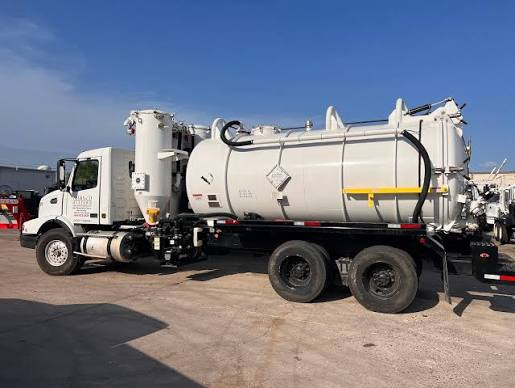
Vacuum trucks are among the most valuable pieces of equipment used across construction, municipal services, environmental cleanup, oil and gas operations, and industrial maintenance. Designed to remove liquids, sludge, solids, and hazardous materials efficiently, these specialized vehicles play a critical role in keeping infrastructure clean, safe, and operational.
Modern vacuum trucks have evolved far beyond simple waste collection vehicles. They now feature advanced suction systems, high-capacity debris tanks, sophisticated filtration systems, and hydraulic equipment capable of handling demanding industrial tasks. Whether cleaning sewer lines, maintaining storm drains, excavating soil with hydro excavation technology, or transporting hazardous waste, vacuum trucks provide an efficient and environmentally responsible solution.
Businesses and municipalities continue investing in advanced vacuum truck technology because it improves productivity, reduces manual labor, minimizes environmental risks, and enhances workplace safety. Understanding how these vehicles operate, the different types available, and their numerous applications helps organizations choose the right equipment while maximizing operational efficiency.
What Is a Vacuum Truck and How Does It Work?
A vacuum truck is a specialized heavy-duty vehicle equipped with a powerful vacuum pump, a large storage tank, hoses, filtration systems, and hydraulic controls designed to collect liquids, sludge, slurry, solids, and other waste materials through suction. Once collected, the materials are stored securely inside the tank until they can be transported to an approved disposal or treatment facility. These trucks are commonly used for sewer cleaning, septic pumping, industrial waste removal, hydro excavation, environmental cleanup, and municipal maintenance.
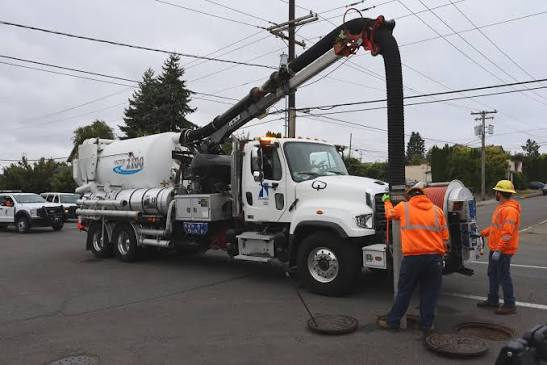
The working principle is relatively straightforward but highly effective. A powerful vacuum pump creates negative air pressure inside the storage tank. As operators position the suction hose over the target material, atmospheric pressure forces liquids, mud, sludge, or debris into the hose and eventually into the tank. Depending on the truck configuration, operators can also use high-pressure water systems to loosen compacted material before vacuuming it away. This combination of water jetting and suction significantly improves cleaning performance while reducing physical labor and protecting underground infrastructure.
Types of Vacuum Trucks Used Across Industries
Vacuum trucks are available in several configurations designed for specific industries and operational requirements. Liquid vacuum trucks primarily handle water, sewage, sludge, wastewater, and industrial liquids. Dry vacuum trucks specialize in collecting dry materials such as powders, sand, gravel, ash, grain, and industrial debris using high-volume airflow systems. Combination sewer cleaner trucks integrate powerful water jetting equipment with vacuum technology, making them ideal for cleaning blocked sewer lines and stormwater systems.
Hydro excavation trucks have become increasingly popular because they safely expose underground utilities without damaging pipes, cables, or gas lines. These vehicles combine high-pressure water with powerful vacuum suction to remove soil accurately while minimizing excavation risks. Industrial vacuum trucks are engineered for demanding applications involving hazardous waste, chemical spills, refinery maintenance, mining operations, and manufacturing facilities. Each configuration offers unique capabilities that improve productivity while addressing specific environmental and operational challenges.
Major Applications of Vacuum Trucks
Municipal governments rely heavily on vacuum trucks for maintaining public infrastructure. Sewer cleaning, catch basin maintenance, storm drain cleaning, septic tank pumping, and wastewater management all depend on efficient vacuum equipment to prevent flooding, reduce pollution, and maintain public health. Regular maintenance helps municipalities extend the lifespan of underground drainage systems while minimizing emergency repair costs caused by blockages or accumulated debris.
Industrial sectors also benefit extensively from vacuum truck services. Manufacturing facilities use them to remove production waste, clean storage tanks, maintain process equipment, and manage industrial sludge. Oil and gas companies depend on vacuum trucks during drilling, refinery maintenance, pipeline cleaning, and spill response operations. Construction companies frequently use hydro excavation vacuum trucks to expose buried utilities safely before excavation projects begin, reducing costly utility damage and improving worker safety.
Key Components That Make Vacuum Trucks Efficient
Every vacuum truck consists of several essential components working together to deliver reliable performance. The vacuum pump serves as the heart of the system, generating the suction required to move waste materials into the storage tank. Debris tanks are constructed from durable steel or aluminum and designed to withstand pressure while securely containing hazardous or non-hazardous materials. Heavy-duty suction hoses, boom systems, filtration units, hydraulic controls, and pressure gauges further enhance operational efficiency.
Modern vacuum trucks often incorporate advanced technology that improves productivity and safety. Automated control systems allow operators to monitor suction pressure, tank levels, hydraulic performance, and engine diagnostics in real time. Some vehicles include remote-control boom operation, GPS fleet management, digital monitoring systems, and advanced filtration equipment that reduces emissions while improving environmental compliance. These innovations enable faster job completion and lower maintenance requirements throughout the truck’s service life.
Benefits of Using Vacuum Trucks for Commercial and Municipal Operations
Vacuum trucks significantly improve operational efficiency by reducing the amount of manual labor required for waste removal and infrastructure maintenance. Powerful suction systems can remove large quantities of liquids, sludge, sediment, and debris quickly, allowing projects to be completed in less time. Faster cleaning operations reduce downtime for businesses, industrial facilities, municipal infrastructure, and construction sites, ultimately lowering operational costs while improving service quality.
Safety and environmental protection represent equally important advantages. Workers experience less direct contact with hazardous materials, contaminated wastewater, and potentially dangerous chemicals because vacuum systems perform most of the collection process mechanically. Proper containment inside sealed storage tanks minimizes spills, prevents environmental contamination, and supports regulatory compliance. Many industries rely on vacuum trucks to maintain strict environmental standards while protecting nearby communities and natural ecosystems.
Industries That Depend on Vacuum Truck Services
The oil and gas industry remains one of the largest users of vacuum truck technology. These vehicles assist with drilling operations, storage tank cleaning, refinery maintenance, pipeline servicing, drilling mud removal, wastewater transportation, and emergency spill response. Reliable vacuum equipment helps maintain continuous production while reducing environmental risks associated with industrial waste handling.
Construction, mining, agriculture, marine operations, manufacturing, power generation, transportation, and environmental remediation companies also depend on vacuum trucks for specialized cleaning and waste management tasks. Food processing plants use vacuum trucks to maintain sanitation systems, while chemical facilities require specialized units for hazardous material removal. Municipal utility departments, wastewater treatment plants, airports, railways, and ports all rely on vacuum truck services to maintain operational efficiency and regulatory compliance throughout the year.
Maintenance, Safety, and Environmental Best Practices
Proper maintenance ensures vacuum trucks operate reliably under demanding conditions. Regular inspection of vacuum pumps, hydraulic systems, filters, valves, hoses, tanks, seals, and pressure gauges helps identify potential problems before they become costly repairs. Routine servicing also improves fuel efficiency, extends equipment lifespan, and minimizes unexpected downtime during critical operations. Preventive maintenance schedules are essential for maximizing long-term equipment performance.
Safety procedures remain equally important during every operation. Operators should receive specialized training in equipment handling, hazardous material management, confined space awareness, and emergency response procedures. Personal protective equipment, proper tank cleaning protocols, secure waste transportation, and compliance with environmental regulations all contribute to safer operations. Responsible disposal practices ensure collected materials are processed according to local environmental laws, reducing pollution risks and supporting sustainable waste management practices.
Choosing the Right Vacuum Truck for Your Needs
Selecting the appropriate vacuum truck depends on the intended application, material type, operating environment, tank capacity, suction power, and regulatory requirements. Municipal sewer maintenance typically requires combination jetter vacuum trucks capable of cleaning pipelines and removing accumulated debris simultaneously. Industrial facilities handling chemicals or hazardous waste often require specialized vacuum systems designed with corrosion-resistant materials and advanced filtration equipment.
Businesses should also consider long-term operating costs, fuel efficiency, maintenance requirements, equipment durability, and manufacturer support before investing in a vacuum truck. Fleet managers often evaluate payload capacity, hose length, pump performance, hydraulic capabilities, emission standards, and overall reliability to ensure maximum return on investment. Choosing equipment that matches operational demands helps improve productivity while reducing maintenance expenses over the equipment’s service life.
The Future of Vacuum Truck Technology
The future of vacuum truck technology is being shaped by increasing automation, environmental sustainability, and digital fleet management. Manufacturers continue developing smarter vehicles equipped with electronic monitoring systems, predictive maintenance software, improved hydraulic controls, and fuel-efficient engines that reduce operating costs while enhancing reliability. Electric and hybrid technologies are also attracting attention as industries seek cleaner equipment with lower emissions and improved environmental performance.
As infrastructure ages and environmental regulations become more stringent, demand for advanced vacuum truck solutions is expected to continue growing across municipal, industrial, and commercial sectors. Hydro excavation, industrial cleaning, wastewater management, hazardous waste removal, and environmental remediation will remain essential services supported by increasingly sophisticated vacuum equipment. By combining powerful suction technology with modern automation and sustainable engineering, vacuum trucks will continue serving as indispensable tools for maintaining cleaner communities, safer workplaces, and more efficient industrial operations.
In conclusion, vacuum trucks are essential assets for industries that require efficient waste removal, infrastructure maintenance, environmental protection, and industrial cleaning. Their ability to safely collect liquids, sludge, solids, and hazardous materials makes them indispensable across municipal services, construction, manufacturing, mining, and oil and gas operations. As technology advances, these vehicles continue becoming more efficient, environmentally friendly, and capable of handling increasingly complex tasks. Organizations that invest in the right vacuum truck and maintain it properly can improve productivity, enhance safety, reduce environmental risks, and achieve reliable long-term performance while meeting the growing demands of modern infrastructure and industrial operations.
