

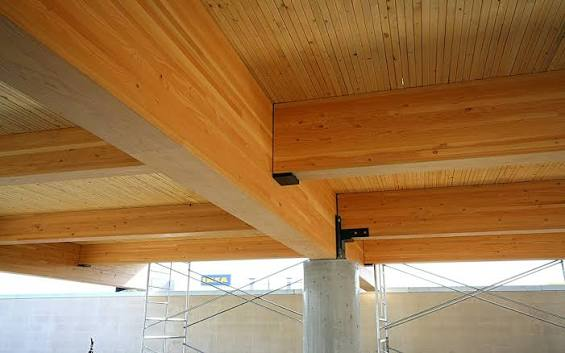
Glulam beam is one of the most important engineered wood products used in modern construction. Known for its outstanding strength, durability, and design flexibility, glulam has become a preferred structural material for residential, commercial, industrial, and institutional buildings. Architects and engineers choose glulam beams because they combine the natural beauty of wood with advanced manufacturing technology, allowing for long spans, complex shapes, and reliable structural performance.
As sustainable building practices continue to grow worldwide, glulam beams have gained even greater attention. They are manufactured from renewable timber resources while offering excellent load-bearing capacity and dimensional stability. Whether used for exposed architectural features or hidden structural support, glulam beams provide an efficient solution for projects requiring both performance and aesthetics. Understanding how glulam beams are made, where they are used, and why they are valued helps builders and property owners make informed construction decisions.
What Is a Glulam Beam?
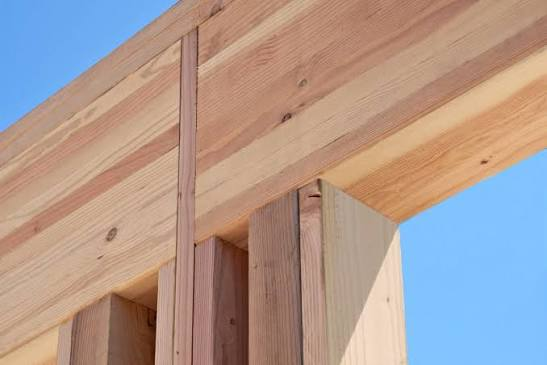
A glulam beam, short for glued laminated timber beam, is an engineered wood product created by bonding multiple layers of carefully selected dimensional lumber with high-strength, moisture-resistant adhesives. Each lumber piece, known as a lamination, is arranged with its grain running in the same direction before being pressed together under controlled manufacturing conditions. This process creates a structural member that is stronger, more consistent, and often larger than naturally available solid timber.
The manufacturing process allows defects such as large knots or weak sections to be minimized while placing higher-grade wood in areas that experience the greatest stress. This engineering approach improves structural efficiency and creates beams capable of supporting heavy loads across significant distances. Modern glulam beams are produced under strict quality control standards to ensure dependable strength, durability, and long-term performance in a wide variety of climates and construction environments.
How Glulam Beams Are Manufactured
The production of glulam beams begins with sustainably harvested timber that is kiln-dried to achieve the proper moisture content. Drying reduces the risk of future shrinkage, swelling, or warping while improving adhesive bonding. Each piece of lumber undergoes grading to evaluate its structural properties before being cut, finger-jointed when necessary, and arranged according to engineering specifications.
Specialized structural adhesives permanently bond the laminations under high pressure, creating a unified structural member. After curing, the beam is trimmed, sanded, machined, and inspected to ensure dimensional accuracy and structural integrity. Advanced manufacturing technology allows glulam beams to be produced in straight, curved, tapered, or custom-designed shapes, making them suitable for both standard construction and complex architectural projects requiring precision-engineered timber components.
Strength, Structural Performance, and Durability
One of the defining characteristics of a glulam beam is its exceptional strength-to-weight ratio. Because it is engineered rather than cut from a single tree, the finished beam distributes loads efficiently while minimizing natural imperfections found in solid wood. This results in predictable structural performance that engineers can confidently incorporate into residential homes, bridges, schools, sports facilities, warehouses, and large commercial buildings.
Glulam beams also perform well under changing environmental conditions when properly designed and protected. Their dimensional stability reduces twisting and excessive shrinkage compared to large solid timber sections. Modern protective treatments, proper detailing, and moisture management further enhance durability by reducing the risk of decay, insect damage, and weather-related deterioration. With appropriate maintenance and installation practices, glulam structures can provide reliable service for many decades.
Benefits of Using Glulam Beams in Modern Construction
Glulam beams offer numerous advantages that make them increasingly popular in contemporary building design. Their ability to span long distances reduces the need for intermediate support columns, creating larger open interior spaces that improve design flexibility. This characteristic is particularly valuable in auditoriums, churches, airports, shopping centers, and residential homes featuring open floor plans.
Another major benefit is the attractive natural appearance of wood. Many projects intentionally leave glulam beams exposed, allowing the warm grain patterns to become an architectural feature rather than concealing them behind ceilings or walls. In addition to visual appeal, glulam contributes to sustainable construction by utilizing renewable forest resources efficiently and storing carbon throughout the life of the building. These qualities align with modern green building practices and environmentally responsible design goals.
Common Applications of Glulam Beams
Glulam beams are used across an impressive range of construction projects due to their versatility and structural reliability. Residential construction often incorporates glulam beams for roof systems, floor supports, vaulted ceilings, large window openings, and decorative exposed framing. Their ability to create wide, open living spaces without numerous support walls makes them especially attractive for custom home designs.
Commercial and public buildings also rely extensively on glulam structural systems. Schools, recreation centers, airports, museums, office buildings, agricultural facilities, warehouses, and manufacturing plants frequently use glulam beams because they support substantial loads while maintaining an attractive appearance. Outdoor applications, including pedestrian bridges, highway bridges, pavilions, and park shelters, further demonstrate the material’s adaptability when properly designed for environmental exposure.
Fire Resistance and Long-Term Safety
Although many people assume wood performs poorly during a fire, engineered timber products like glulam often demonstrate predictable fire performance. Large timber members char slowly on the outer surface when exposed to high temperatures. This protective char layer insulates the inner core, allowing much of the structural section to retain its strength for a longer period than many people expect. Engineers account for predictable charring rates during structural design to meet building code requirements.
Safety extends beyond fire performance. Glulam beams are manufactured under rigorous quality assurance programs that verify adhesive performance, moisture content, dimensional accuracy, and structural properties. When installed according to engineering specifications and local building codes, glulam structural systems provide dependable long-term safety for occupants. Routine inspections and proper maintenance help preserve structural integrity throughout the building’s lifespan while minimizing future repair requirements.
Design Flexibility and Architectural Appeal
One of the greatest strengths of glulam construction is the remarkable design freedom it offers architects and structural engineers. Unlike many conventional structural materials, glulam beams can be fabricated into curved arches, sweeping roof structures, tapered members, and custom geometric forms that enhance both function and visual impact. This flexibility allows designers to create distinctive buildings while maintaining excellent structural performance.
The natural warmth and texture of exposed timber contribute significantly to interior comfort and architectural character. Modern commercial spaces increasingly feature exposed glulam framing because it creates inviting environments while showcasing sustainable building materials. Combined with glass, steel, and concrete, glulam beams produce visually striking structures that balance traditional craftsmanship with contemporary engineering, making them a favorite choice for innovative architectural projects worldwide.
Installation, Maintenance, and Sustainability
Proper installation plays a critical role in maximizing the performance of glulam beams. Structural engineers specify appropriate beam sizes, support conditions, fasteners, and connection systems based on anticipated loads and building requirements. During construction, protecting beams from prolonged moisture exposure helps preserve their appearance and structural properties. Careful handling also prevents unnecessary surface damage before installation is complete.
From an environmental perspective, glulam beams support sustainable construction by making efficient use of timber resources and requiring less energy to manufacture than many traditional structural materials. Responsibly managed forests continuously regenerate the raw material used in production, contributing to renewable resource management. Regular inspections, proper sealing in exposed conditions, and prompt repair of any moisture-related issues help maintain the beam’s appearance and structural performance, ensuring a long service life with minimal environmental impact.
Conclusion
Glulam beams have transformed modern timber construction by combining advanced engineering with the timeless advantages of natural wood. Their exceptional strength, dimensional stability, long-span capability, and architectural beauty make them suitable for projects ranging from private homes to major commercial and public buildings. Engineered manufacturing techniques produce structural members that deliver reliable performance while reducing many of the limitations associated with traditional solid timber.
As sustainable building practices continue to shape the future of construction, glulam beams remain one of the most effective structural solutions available. Their renewable origin, excellent structural efficiency, attractive appearance, and long-term durability make them an ideal choice for environmentally responsible projects. Whether supporting expansive roof systems, creating dramatic architectural spaces, or serving as essential structural elements, glulam beams continue to demonstrate why engineered timber has become an integral part of modern construction around the world.
