

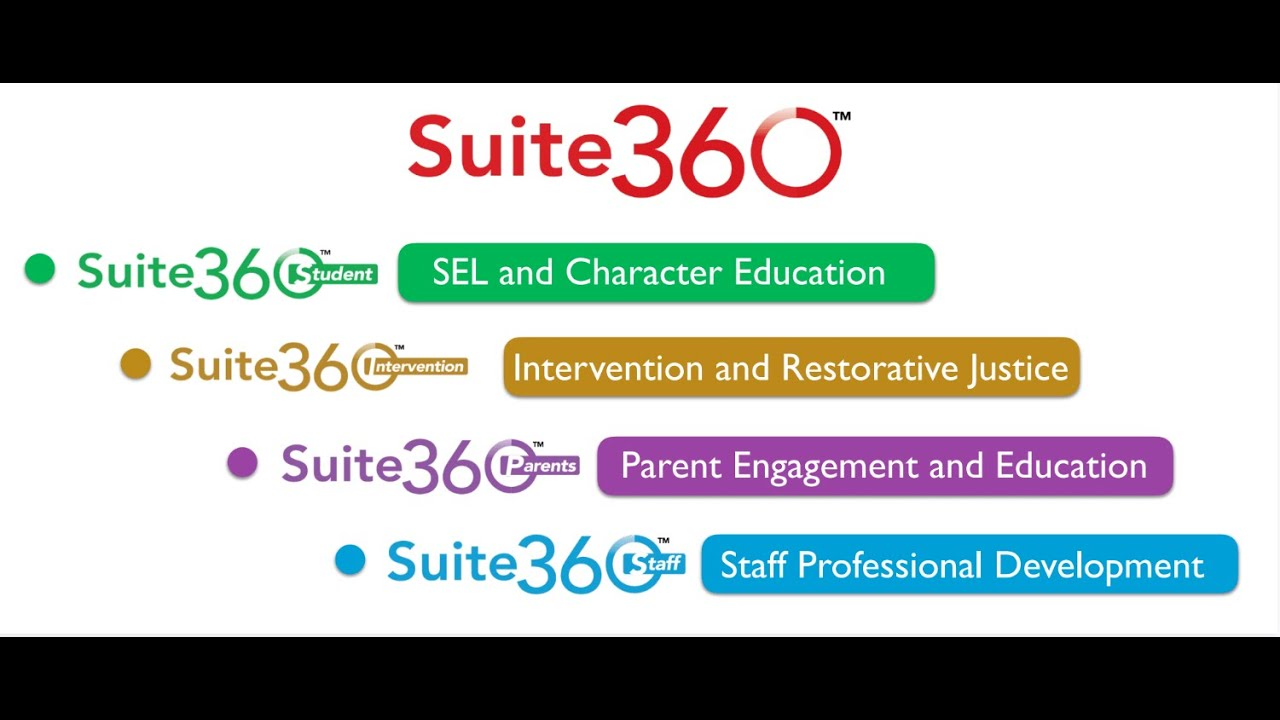
Schools today recognize that academic achievement is closely connected to students’ emotional well-being, mental health, character development, and life skills. As educators seek comprehensive solutions that support the whole child, digital learning platforms have become an essential part of modern education. Among these platforms, Suite 360 has gained attention for providing age-appropriate lessons focused on social-emotional learning (SEL), mental wellness, digital citizenship, safety awareness, and positive behavior.
;Suite 360; is designed to help schools create healthier learning environments by delivering engaging educational content that supports students from elementary through high school. Rather than focusing only on academic instruction, the platform encourages students to build essential life skills such as emotional regulation, empathy, responsible decision-making, healthy relationships, conflict resolution, and resilience. These skills contribute to stronger academic performance while preparing students for future personal and professional success.
As student wellness continues to be a priority in education, schools increasingly invest in comprehensive digital programs that align with educational standards and promote positive school culture. This guide explores Suite 360 in detail, including its features, educational philosophy, curriculum, benefits, implementation strategies, and its role in supporting student development in today’s schools.
What Is Suite 360?
Suite 360 is a cloud-based educational platform that delivers digital learning modules focused on student wellness, social-emotional learning, behavioral development, safety education, and character building. Schools use the platform to provide structured lessons that help students develop important personal, emotional, and interpersonal skills throughout their educational journey.
The platform is designed for flexibility, allowing educators to assign lessons based on grade level, individual student needs, classroom goals, or school-wide initiatives. Content is presented through interactive multimedia experiences that encourage student engagement while making complex topics easier to understand. Lessons are typically self-paced, enabling students to complete activities independently while allowing teachers to monitor participation and progress.
Beyond students, Suite 360 also supports educators and school administrators by providing reporting tools, curriculum management features, and educational resources that simplify implementation. Many schools integrate the platform into broader wellness initiatives, advisory periods, counseling programs, or behavior intervention strategies to reinforce positive learning environments.
The Educational Philosophy Behind Suite 360
The foundation of Suite 360 is built upon the understanding that emotional health and academic success are deeply connected. Students who feel safe, supported, and emotionally prepared are generally more capable of concentrating, collaborating with peers, solving problems, and managing classroom challenges. The platform encourages schools to address both academic learning and personal development as complementary educational goals.
Social-emotional learning plays a central role in this philosophy. Through carefully designed lessons, students learn to recognize emotions, build healthy relationships, practice empathy, communicate effectively, and make responsible decisions. These competencies contribute to improved classroom behavior, stronger peer relationships, and increased confidence in everyday situations.
The program also emphasizes prevention rather than intervention alone. By teaching essential life skills before serious challenges arise, schools can help students develop resilience, self-awareness, and healthy coping strategies that support lifelong well-being. This proactive approach aligns with many modern educational frameworks focused on whole-child development.
Core Features and Learning Modules
One of Suite 360’s strengths is its broad collection of educational modules covering topics relevant to today’s students. Lessons commonly address emotional wellness, bullying prevention, cyberbullying awareness, digital citizenship, internet safety, substance abuse prevention, healthy relationships, conflict resolution, stress management, diversity, inclusion, leadership, and responsible decision-making. These topics are continually refined to remain relevant to evolving educational needs.
Interactive learning experiences encourage active participation through videos, reflection activities, quizzes, real-life scenarios, and guided discussions. Rather than relying solely on passive reading, the platform engages students with multimedia content designed to improve understanding and long-term retention. Age-appropriate language ensures that complex subjects are presented in ways students can comprehend at different developmental stages.
Schools can often customize lesson assignments according to grade level, classroom objectives, counseling plans, or specific student support needs. This flexibility enables educators to integrate wellness education into existing instructional schedules without significantly disrupting core academic instruction.
Benefits of Suite 360 for Students and Schools
Students benefit from consistent exposure to practical life skills that extend beyond traditional academic subjects. By learning emotional regulation, effective communication, healthy coping strategies, and responsible behavior, students become better equipped to navigate challenges both inside and outside the classroom. These competencies support stronger relationships, improved confidence, and greater emotional resilience.
Schools also benefit from having a centralized platform that standardizes wellness education across multiple grade levels. Rather than relying solely on individual classroom discussions, educators can provide consistent instruction supported by structured digital resources. This consistency helps reinforce school values while supporting broader goals related to student well-being and positive school climate.
Administrators appreciate the ability to monitor participation, completion rates, and curriculum implementation through reporting tools. These insights help schools evaluate program effectiveness, identify areas requiring additional attention, and demonstrate their commitment to supporting student wellness through evidence-based educational practices.
Supporting Social-Emotional Learning and Mental Wellness
Social-emotional learning has become an increasingly important component of modern education because research consistently demonstrates its positive impact on student outcomes. Suite 360 supports SEL by helping students understand emotions, build empathy, strengthen interpersonal relationships, and develop responsible decision-making skills. These competencies contribute to healthier classroom environments and improved academic engagement.
Mental wellness education is another important focus of the platform. Students encounter age-appropriate lessons that encourage self-awareness, emotional expression, stress management, and healthy coping mechanisms. While Suite 360 is not a replacement for professional mental health services, it provides educational support that encourages students to recognize emotions, seek help when needed, and develop healthy habits for emotional well-being.
Educators often find that integrating wellness education into the regular school experience reduces stigma surrounding mental health discussions. By normalizing conversations about emotions, resilience, and self-care, schools create environments where students feel more comfortable seeking support from trusted adults when facing personal challenges.
How Teachers and Administrators Use Suite 360
Teachers integrate Suite 360 into classroom instruction in several ways depending on scheduling and educational objectives. Some schools assign lessons during advisory periods, while others incorporate modules into health education, counseling sessions, homeroom activities, or character education programs. The flexibility of digital delivery allows schools to adapt implementation to their unique instructional models.
School counselors frequently utilize Suite 360 as a supplemental educational resource that reinforces counseling objectives. Lessons addressing emotional regulation, conflict resolution, healthy relationships, and stress management complement individual or group counseling sessions by providing additional opportunities for student reflection and learning.
Administrators oversee implementation by assigning curriculum, monitoring lesson completion, reviewing participation reports, and ensuring alignment with school improvement initiatives. The platform’s management tools simplify large-scale deployment while supporting consistent student access across classrooms and grade levels.
Digital Citizenship, Online Safety, and Responsible Technology Use
As technology becomes increasingly integrated into education and daily life, digital citizenship has emerged as a critical life skill. Suite 360 addresses this need by teaching students how to interact responsibly in digital environments. Lessons encourage respectful online communication, ethical technology use, information literacy, and awareness of digital footprints that can have lasting consequences.
Cyberbullying prevention remains an especially important topic within digital citizenship education. Students learn to recognize inappropriate online behavior, respond safely to harmful situations, support peers experiencing cyberbullying, and report concerns through appropriate channels. These lessons contribute to safer online communities both within and beyond school environments.
Privacy, cybersecurity awareness, responsible social media use, and online decision-making are also emphasized throughout many learning modules. By helping students understand both the opportunities and risks associated with digital technology, Suite 360 prepares young people to navigate increasingly connected environments with greater confidence and responsibility.
Best Practices for Successful Implementation
Successful implementation begins with integrating Suite 360 into a broader school-wide commitment to student wellness. Schools achieve the greatest impact when digital lessons complement classroom discussions, counseling services, family engagement, and positive behavioral initiatives rather than functioning as isolated instructional activities.
Professional development for educators also contributes significantly to program effectiveness. Teachers who understand the objectives behind each lesson are better prepared to facilitate meaningful discussions, answer student questions, and reinforce key concepts throughout the school day. Ongoing collaboration among teachers, counselors, and administrators strengthens consistency across educational settings.
Regular evaluation allows schools to refine implementation over time. Reviewing participation data, gathering teacher feedback, monitoring student engagement, and assessing school climate indicators help administrators identify opportunities for improvement. Continuous reflection ensures that wellness education remains responsive to changing student needs and educational priorities.

The Future of Suite 360 and Student Wellness Education
The future of education increasingly recognizes that academic success depends upon supporting students’ emotional, social, and behavioral development alongside traditional classroom instruction. Digital wellness platforms such as Suite 360 continue evolving to address emerging challenges including mental health awareness, online safety, diversity and inclusion, responsible technology use, and resilience in rapidly changing environments.
Advances in educational technology are expected to improve personalization, accessibility, and engagement through adaptive learning experiences, enhanced multimedia content, and more sophisticated reporting tools. These innovations will allow educators to provide increasingly individualized support while maintaining efficient program administration across diverse student populations.
Suite 360 represents the growing commitment within education to nurture the whole child rather than focusing exclusively on academic achievement. By combining social-emotional learning, character education, mental wellness, digital citizenship, and life skills within a flexible digital platform, it helps schools prepare students for success both inside and outside the classroom. As educational priorities continue to evolve, comprehensive wellness programs like Suite 360 will remain valuable resources for fostering healthier school communities, supporting positive student development, and equipping young people with the essential skills they need to thrive throughout their lives.
