

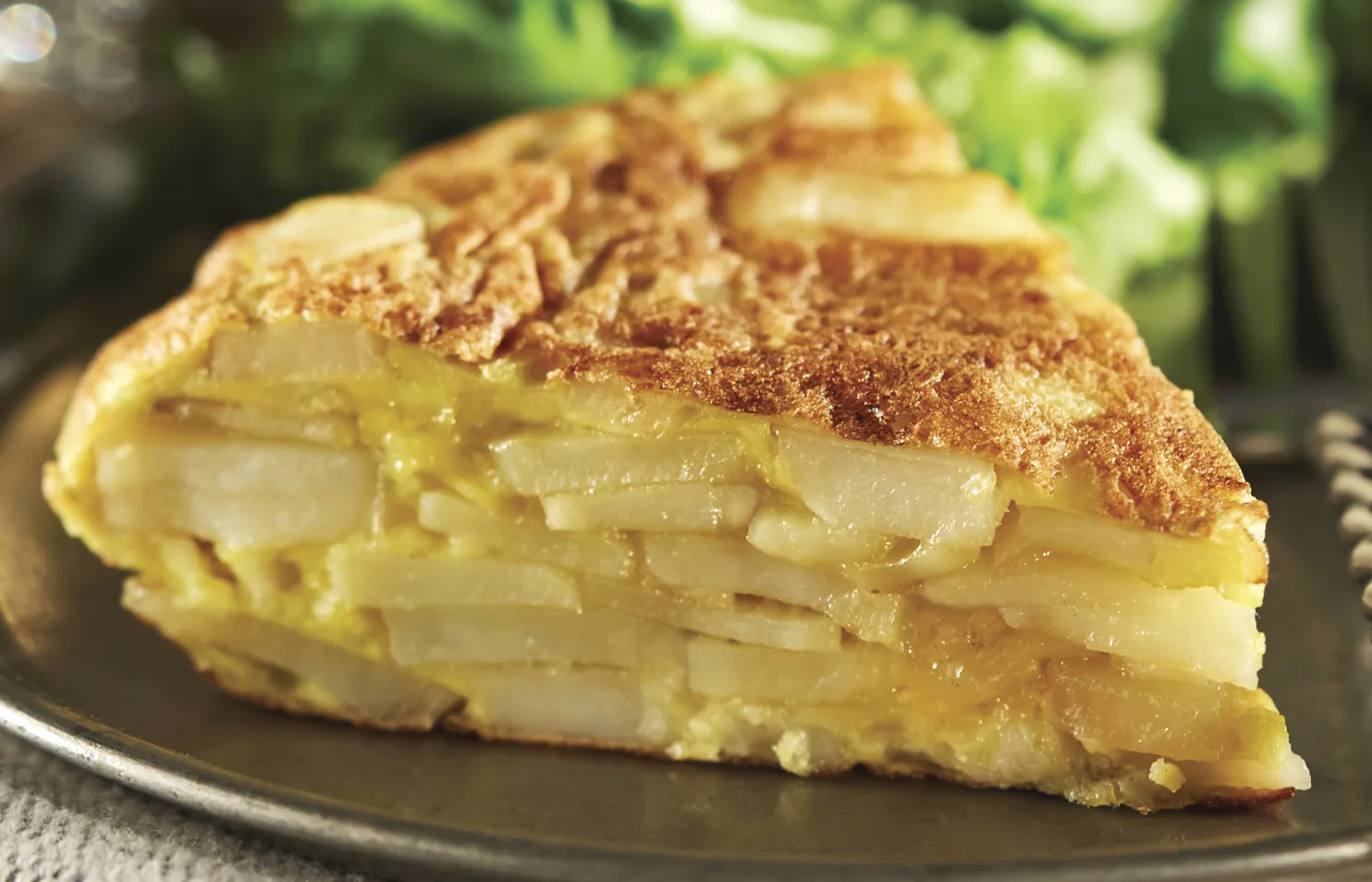
Spanish cuisine is celebrated around the world for its simplicity, rich flavors, and deep connection to tradition. Among the country’s most beloved dishes, few are as iconic as the Spanish tortilla. Known in Spain as Tortilla Española or Tortilla de Patatas, this humble yet delicious dish has been a staple of Spanish households, restaurants, and tapas bars for generations.
Made primarily from potatoes, eggs, olive oil, and sometimes onions, Spanish tortilla demonstrates how a handful of simple ingredients can be transformed into something truly extraordinary. Whether served as a quick lunch, a tapas dish, a picnic snack, or a hearty dinner, it remains one of the most recognizable symbols of Spanish gastronomy.
This comprehensive guide explores the history, ingredients, preparation methods, regional variations, cultural significance, and enduring popularity of Spanish tortilla.
What Is Spanish Tortilla?
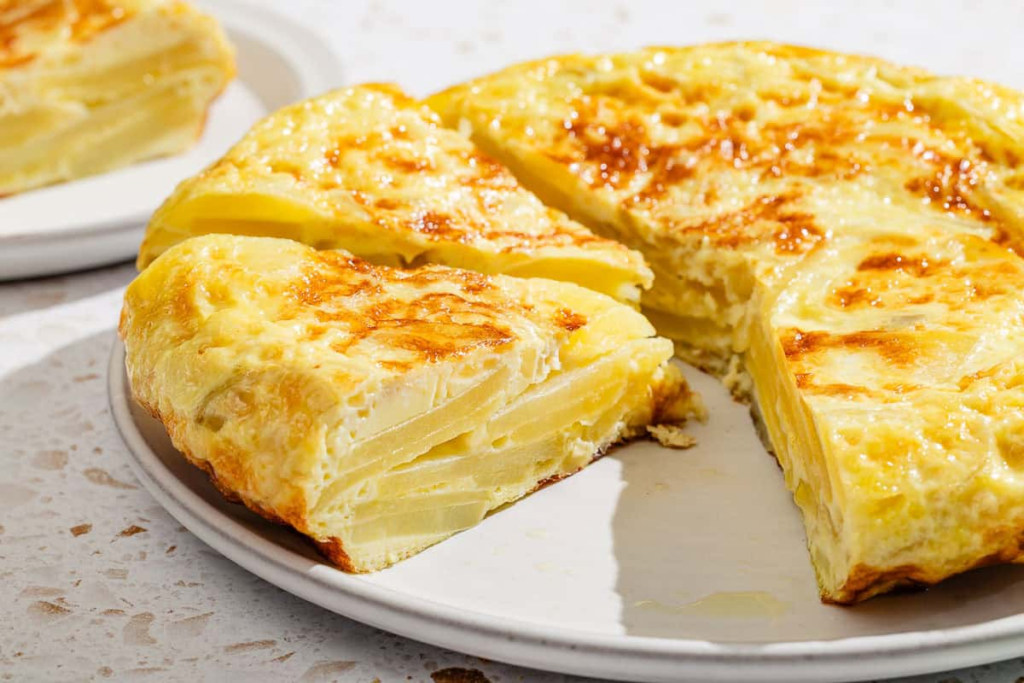
Spanish tortilla is a thick omelet made from eggs and potatoes. Unlike the thin omelets common in many countries, Spanish tortilla is substantial, dense, and often several centimeters thick.
The traditional version contains:
- Potatoes
- Eggs
- Olive oil
- Salt
Many recipes also include onions, although this remains one of Spain’s most famous culinary debates.
The ingredients are cooked slowly, combined, and then formed into a round, golden omelet that can be served hot, warm, or cold.
Why Is It Called a Tortilla?
Outside Spain, the word “tortilla” often refers to the flatbread commonly used in Mexican cuisine.
However, in Spain, tortilla means omelet.
The term originates from the Spanish word “torta,” meaning cake or round flat shape. The dish earned its name because of its round appearance and thick structure.
Therefore, Spanish tortilla and Mexican tortilla are entirely different foods despite sharing the same name.
The History of Spanish Tortilla
The exact origins of Spanish tortilla remain somewhat uncertain.
Several theories attempt to explain its development.
Early Rural Origins
Many historians believe the dish emerged in rural Spain as an affordable and nutritious meal.
Potatoes became widely available after being introduced from the Americas. Combined with eggs from local farms, they created a filling dish that could feed families economically.
Eighteenth-Century References
Some historical references suggest versions of potato omelets appeared in Spain during the eighteenth century.
The dish gradually spread throughout the country and became part of everyday cooking.
National Symbol
Over time, Spanish tortilla evolved from a practical peasant meal into a national culinary symbol.
Today, it is recognized across Spain and internationally as one of the country’s most iconic foods.
The Essential Ingredients
One reason for the tortilla’s popularity is its simplicity.
Potatoes
Potatoes are the heart of the dish.
Traditional recipes use varieties that become tender when cooked.
The potatoes are typically:
- Peeled
- Thinly sliced
- Slowly cooked in olive oil
They provide texture, substance, and flavor.
Eggs
Eggs bind the ingredients together.
They create the rich, creamy consistency that defines a good tortilla.
Fresh eggs are essential for the best flavor.
Olive Oil
Olive oil plays a critical role.
It is used to gently cook the potatoes and contributes significantly to the dish’s taste.
High-quality extra virgin olive oil is often preferred.
Salt
Salt enhances the natural flavors of the potatoes and eggs.
Although simple, proper seasoning is important.
Onions (Optional)
The addition of onions creates one of Spain’s most passionate food debates.
Some cooks insist tortilla should contain onions.
Others argue that potatoes and eggs alone represent the authentic version.
Both styles remain popular.
The Great Onion Debate
Few culinary topics inspire as much discussion in Spain as the question:
Should Spanish tortilla contain onions?
Pro-Onion Arguments
Supporters believe onions add:
- Sweetness
- Moisture
- Complexity
- Richer flavor
Slowly caramelized onions blend beautifully with potatoes and eggs.
Anti-Onion Arguments
Traditionalists often prefer a simpler approach.
They argue that:
- Potatoes should be the star
- Onions alter the texture
- Simplicity produces better balance
The debate continues today, with no universally accepted answer.
How Spanish Tortilla Is Made
Although the ingredients are simple, technique matters greatly.
Step 1: Prepare the Potatoes
Potatoes are peeled and sliced into thin pieces.
The slices should be uniform to ensure even cooking.
Step 2: Cook in Olive Oil
The potatoes are gently cooked in olive oil rather than deeply fried.
This process softens them while preserving their flavor.
If onions are used, they are cooked alongside the potatoes.
Step 3: Beat the Eggs
Eggs are whisked in a large bowl.
Salt is added to season the mixture.
Step 4: Combine Ingredients
The cooked potatoes are drained and mixed with the eggs.
Many cooks allow the mixture to rest briefly.
This helps the potatoes absorb the egg.
Step 5: Cook the Tortilla
The mixture is poured into a frying pan.
It is cooked slowly until the bottom sets.
Step 6: Flip the Tortilla
Flipping is one of the most challenging steps.
A plate is placed over the pan, and the tortilla is inverted before being returned to cook the other side.
This creates the classic round shape.
Step 7: Finish Cooking
The second side cooks until the desired texture is achieved.
Some people prefer a fully cooked center.
Others enjoy a slightly soft interior.
What Does Spanish Tortilla Taste Like?
The flavor may seem simple, but it is surprisingly satisfying.
Potatoes
The potatoes provide:
- Mild sweetness
- Soft texture
- Comforting richness
Eggs
Eggs contribute:
- Creaminess
- Depth
- Smooth consistency
Olive Oil
Good olive oil adds:
- Fruitiness
- Complexity
- Authentic Mediterranean flavor
Onions
When included, onions introduce:
- Sweetness
- Aromatic notes
- Additional moisture
The overall flavor is comforting, balanced, and deeply satisfying.
Regional Variations
Different parts of Spain prepare tortilla in unique ways.
Tortilla with Chorizo
Some regions incorporate Spanish chorizo.
This adds:
- Smokiness
- Spice
- Richness
Vegetable Tortillas
Additional vegetables may include:
- Peppers
- Zucchini
- Spinach
- Mushrooms
Seafood Versions
Coastal areas occasionally feature seafood-inspired tortillas.
These variations highlight local ingredients.
Modern Gourmet Interpretations
Contemporary chefs often experiment with:
- Truffles
- Specialty cheeses
- Premium meats
- Innovative presentation
Despite these innovations, the classic version remains the most popular.
Spanish Tortilla as Tapas
One of the most common ways to enjoy tortilla is as tapas.
Tapas are small dishes served in bars and restaurants.
Tortilla is often:
- Cut into wedges
- Served on small plates
- Shared among friends
Its versatility makes it a staple of Spanish social dining.
Tortilla in Spanish Homes
For many Spaniards, tortilla is more than food.
It is part of everyday life.
Families prepare it for:
- Lunch
- Dinner
- School meals
- Picnics
- Gatherings
Nearly every household has its own preferred recipe.
These personal variations are often passed down through generations.
Why Spanish Tortilla Is So Popular
Several factors explain its lasting popularity.
Affordable Ingredients
The dish relies on inexpensive staples.
Easy Preparation
Although technique matters, the recipe is accessible to home cooks.
Versatility
It can be served:
- Hot
- Warm
- Cold
Portability
Tortilla travels well and is ideal for picnics and packed lunches.
Universal Appeal
Its mild flavor appeals to people of all ages.
Nutritional Benefits
Spanish tortilla offers several nutritional advantages.
Protein
Eggs provide high-quality protein.
Carbohydrates
Potatoes supply energy-rich carbohydrates.
Healthy Fats
Olive oil contributes beneficial fats.
Vitamins and Minerals
The ingredients contain various nutrients that support overall health.
While relatively rich, tortilla can fit into a balanced diet when enjoyed in moderation.
Serving Suggestions
Spanish tortilla can be served in numerous ways.
As a Main Dish
A large slice paired with salad makes a satisfying meal.
As Tapas
Small portions work perfectly for sharing.
In Sandwiches
Many Spaniards enjoy tortilla inside bread.
This creates a hearty and portable snack.
With Salads
Fresh salads provide a refreshing contrast.
With Roasted Vegetables
Mediterranean vegetables pair beautifully with tortilla.
Common Mistakes When Making Tortilla
Even simple dishes require attention.
Overcooking the Potatoes
Potatoes should be tender, not crispy.
Excessive Heat
High heat can burn the exterior before the center cooks.
Poor Flipping Technique
Flipping requires confidence and practice.
Insufficient Seasoning
Simple ingredients rely heavily on proper seasoning.
Spanish Tortilla Around the World
The popularity of Spanish cuisine has introduced tortilla to international audiences.
Today it appears in:
- Spanish restaurants
- Tapas bars
- Food festivals
- Home kitchens
Many countries have embraced the dish while adapting it to local tastes.
The Cultural Importance of Spanish Tortilla
Spanish tortilla represents several important values:
- Simplicity
- Tradition
- Family
- Hospitality
- Regional pride
Its enduring presence reflects Spain’s appreciation for honest, ingredient-focused cooking.
The dish demonstrates that exceptional food does not require complicated techniques or expensive ingredients.
Modern Interpretations
Today’s chefs continue finding new ways to reinterpret tortilla.
Some modern trends include:
Mini Tortillas
Individual-sized portions for elegant presentations.
Fusion Versions
Combining Spanish tortilla with international flavors.
Plant-Based Alternatives
Using innovative ingredients to create vegetarian and vegan variations.
Gourmet Ingredients
Adding premium products while preserving the traditional foundation.
These innovations keep the dish relevant while respecting its heritage.
Why Tourists Love Spanish Tortilla
Visitors to Spain often seek authentic local experiences.
Tortilla offers exactly that.
Tourists appreciate:
- Traditional flavors
- Local culture
- Accessibility
- Affordability
- Authenticity
Trying tortilla is often considered an essential part of exploring Spanish cuisine.
The Future of Spanish Tortilla
Despite changing food trends, Spanish tortilla remains as popular as ever.
Its future appears secure because it combines:
- Tradition
- Simplicity
- Adaptability
- Excellent flavor
New generations continue embracing the dish while preserving its essential character.
Conclusion
Spanish tortilla is much more than a potato omelet. It is a culinary icon that reflects Spain’s rich cultural traditions, appreciation for simple ingredients, and love of shared meals. Made from humble components such as potatoes, eggs, olive oil, and sometimes onions, it demonstrates how thoughtful preparation can transform everyday ingredients into something extraordinary.
From family kitchens and village cafés to sophisticated restaurants and international food festivals, Spanish tortilla continues to captivate people around the world. Its versatility, affordability, and timeless flavor have helped it remain a cornerstone of Spanish cuisine for centuries.
Whether enjoyed as tapas, served in a sandwich, paired with a fresh salad, or eaten on its own, Spanish tortilla offers a delicious taste of Spain’s culinary heritage. Its enduring popularity proves that some of the world’s greatest dishes are often the simplest, and few dishes embody that philosophy better than the beloved Spanish tortilla.
