

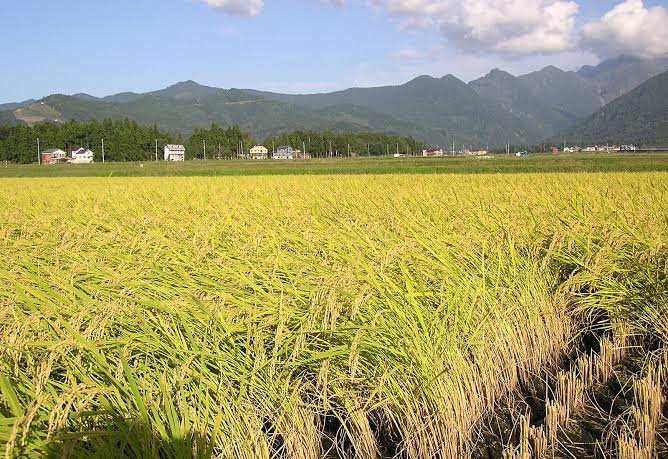
Rice fields are among the most recognizable agricultural landscapes in the world, supporting the livelihoods of millions of farmers and providing a staple food for more than half of the global population. From the terraced mountains of Asia to the fertile plains of the Americas, rice cultivation has shaped cultures, economies, and food systems for thousands of years. A well-managed rice field is more than just farmland; it is a carefully balanced ecosystem where soil, water, climate, and farming practices work together to produce one of the world’s most important cereal crops.
Modern rice field, farming combines traditional agricultural knowledge with scientific innovation to improve yields, conserve natural resources, and address challenges such as climate change, pests, and water scarcity. Whether grown in flooded paddies or upland conditions, rice requires careful planning throughout its growth cycle. Understanding how rice fields function, how rice is cultivated, and how sustainable farming practices are improving production provides valuable insight into one of the world’s most essential agricultural systems.
What Is a Rice Field?
A rice field is an area of agricultural land specifically prepared for growing rice plants. In many regions, rice is cultivated in flooded fields known as paddy fields, where shallow water covers the soil during much of the growing season. This controlled flooding helps suppress weeds, supports healthy rice growth, and creates favorable conditions for the crop while reducing competition from many unwanted plant species.
Not all rice fields remain flooded throughout the season. Upland rice is grown in rain-fed fields without continuous standing water, particularly in areas where irrigation infrastructure is limited. Regardless of the production system, successful rice cultivation depends on fertile soil, proper land preparation, suitable climate conditions, and effective management of water and nutrients throughout the crop’s development.
How Rice Is Grown in a Rice Field
The rice-growing process begins with careful land preparation. Farmers level the field to ensure even water distribution, improve irrigation efficiency, and promote uniform plant growth. Depending on local farming practices, rice seeds may be sown directly into the field or first raised in nurseries before young seedlings are transplanted into prepared paddies.
Once established, rice plants progress through several growth stages, including germination, tillering, stem elongation, flowering, and grain filling. Throughout this period, farmers carefully manage irrigation, fertilizer application, and pest control to maintain healthy crop development. At maturity, the rice grains turn golden, signaling that the crop is ready for harvest using either manual methods or modern harvesting machinery.
Climate and Soil Requirements for Rice Fields
Rice thrives in warm climates with abundant sunlight and a reliable water supply. Most rice varieties grow best where temperatures remain between approximately 20°C and 35°C during the growing season. Adequate rainfall or irrigation is equally important, particularly for lowland paddy rice that depends on controlled flooding for optimal growth.
Soil quality also plays a significant role in rice production. Clay and clay-loam soils are commonly preferred because they retain water effectively while supporting healthy root development. Fertile soils rich in organic matter improve nutrient availability and help maintain strong plant growth. Soil testing allows farmers to identify nutrient deficiencies and apply balanced fertilizers that support both productivity and long-term soil health.
Types of Rice Fields Around the World
Rice cultivation methods vary considerably depending on geography, climate, and available resources. Irrigated rice fields are the most productive and are supplied with controlled water through canals, reservoirs, or pumping systems. These fields often produce high yields because water availability remains consistent throughout the growing season.
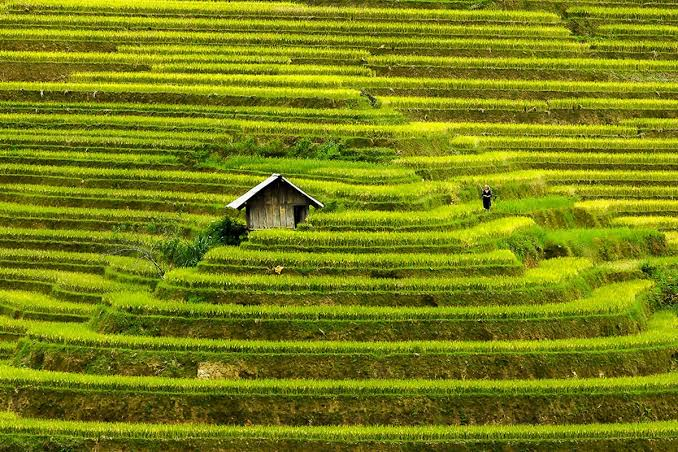
Rain-fed lowland fields rely primarily on seasonal rainfall and may experience fluctuations in water availability. Upland rice fields are cultivated on higher ground without standing water and often depend entirely on rainfall. Terrace rice fields, commonly found in mountainous regions, demonstrate remarkable engineering by transforming steep slopes into productive agricultural land while reducing soil erosion and improving water management.
Water Management in Rice Cultivation
Water is one of the most important resources in rice farming. Traditional flooded rice fields maintain shallow water levels during much of the growing season, creating conditions that favor rice while limiting many weed species. Effective irrigation management ensures that water reaches every part of the field evenly, supporting consistent crop development.
Modern farming practices increasingly focus on improving water-use efficiency. Techniques such as alternate wetting and drying allow fields to periodically drain before being re-flooded, reducing water consumption while maintaining crop yields under suitable conditions. Improved irrigation technologies and better field management help farmers conserve valuable water resources without sacrificing productivity, making rice farming more sustainable in regions facing increasing water scarcity.
Common Challenges in Rice Fields
Rice farmers face numerous challenges that can affect both crop quality and overall yield. Insect pests, fungal diseases, bacterial infections, and invasive weeds compete with rice plants for nutrients and can significantly reduce production if left unmanaged. Integrated pest management strategies help farmers minimize crop losses while reducing unnecessary pesticide use.
Weather-related risks have also become increasingly important. Floods, droughts, storms, and rising temperatures can disrupt rice production and threaten food security. Climate change has encouraged greater investment in resilient rice varieties, improved forecasting systems, and adaptive farming practices that help growers respond more effectively to changing environmental conditions while protecting long-term agricultural productivity.
Sustainable Rice Farming Practices
Sustainable rice farming aims to increase production while protecting natural resources for future generations. Farmers are adopting practices that improve soil fertility, reduce greenhouse gas emissions, conserve water, and promote biodiversity within agricultural landscapes. These approaches contribute to healthier ecosystems while supporting stable crop yields and farm profitability.
Modern sustainable agriculture also encourages efficient fertilizer use, responsible pesticide management, crop rotation where appropriate, and the incorporation of organic matter into the soil. Precision agriculture technologies, including satellite monitoring, drones, and smart irrigation systems, enable farmers to make better management decisions based on real-time field conditions. These innovations help optimize resource use while reducing environmental impacts across rice-growing regions.
Economic Importance of Rice Fields
Rice production plays a vital role in the global economy by supporting millions of farming households and contributing significantly to national agricultural sectors. In many countries across Asia, Africa, and Latin America, rice farming provides employment not only for growers but also for workers involved in processing, transportation, milling, packaging, and distribution.
International trade further highlights the economic significance of rice. Many nations depend on rice exports to generate agricultural income, while importing countries rely on stable global markets to ensure food security. Continued investment in agricultural research, infrastructure, and improved rice varieties strengthens production systems and helps meet the growing food demands of an expanding global population.
The Future of Rice Fields and Rice Production
The future of rice farming will likely combine traditional agricultural knowledge with advanced technology to improve efficiency and resilience. Plant breeding programs continue developing rice varieties with higher yields, improved disease resistance, greater drought tolerance, and better adaptability to changing climate conditions. These innovations support food security while helping farmers maintain productivity under increasingly challenging environmental conditions.
Digital agriculture is also transforming rice cultivation. Sensors, artificial intelligence, satellite imagery, and data-driven farm management systems provide valuable information about soil moisture, crop health, nutrient requirements, and irrigation scheduling. As these technologies become more accessible, farmers can make informed decisions that improve yields, reduce production costs, and promote more sustainable resource management across diverse agricultural environments.
Conclusion
Rice fields are fundamental to global agriculture, providing one of the world’s most important food crops while supporting the livelihoods of millions of people. Successful rice cultivation depends on a careful balance of climate, soil, water, and effective farm management. From traditional flooded paddies to modern precision agriculture systems, rice farming continues to evolve in response to changing environmental conditions, technological advancements, and growing food demand.
As the world’s population continues to increase, the importance of productive and sustainable rice fields will only grow. Improved irrigation practices, resilient crop varieties, responsible resource management, and innovative farming technologies are helping shape the future of rice production. By combining scientific progress with proven agricultural practices, farmers can continue producing high-quality rice while protecting natural resources and ensuring long-term food security for generations to come.
