

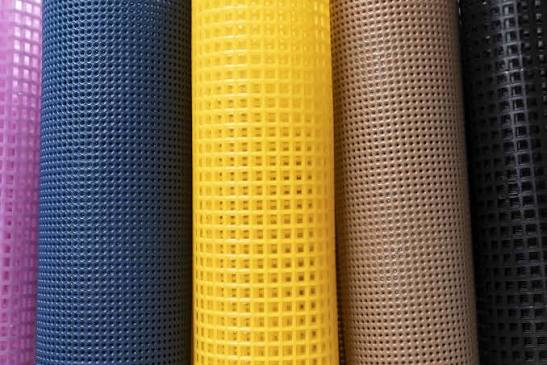
Polyvinyl chloride, commonly known as PVC material, is one of the world’s most widely used synthetic plastics. It plays an important role in construction, healthcare, electrical systems, packaging, automotive manufacturing, and countless everyday products. Thanks to its durability, affordability, chemical resistance, and versatility, PVC has become a preferred material for manufacturers across many industries.
Whether you see pvc material, pipes carrying water through buildings, vinyl flooring inside homes, insulated electrical cables, or medical tubing used in hospitals, this material is present in nearly every aspect of modern life. Its ability to be manufactured as either a rigid or flexible plastic makes it suitable for an enormous variety of products. Over the years, continuous improvements in PVC formulations have also enhanced its performance, sustainability, and recycling potential.
As industries continue to seek materials that balance performance with cost-effectiveness, PVC remains one of the most practical solutions available. Understanding its properties, manufacturing process, advantages, limitations, and common applications helps consumers and businesses make informed decisions when selecting materials for residential, commercial, and industrial projects.
What Is PVC Material and How Is It Made?
PVC material is a thermoplastic polymer produced by polymerizing vinyl chloride monomer (VCM). The raw ingredients primarily come from natural salt and hydrocarbon feedstocks such as natural gas or petroleum. Unlike many plastics that rely heavily on fossil fuels, a significant portion of PVC’s composition comes from chlorine derived from salt, making its raw material profile somewhat different from many other polymers.
During manufacturing, manufacturers blend the PVC resin with carefully selected additives to achieve specific performance characteristics. Plasticizers create flexible PVC products, while stabilizers improve heat resistance during processing. Other additives such as pigments, lubricants, fillers, impact modifiers, and UV stabilizers allow manufacturers to tailor the material for demanding applications including outdoor construction, electrical insulation, medical devices, and industrial equipment.
Modern production methods emphasize quality control and environmental responsibility. Advanced manufacturing technologies help reduce waste, improve product consistency, and produce PVC grades that comply with strict international safety and performance standards for various industries.
Physical Properties and Performance Characteristics of PVC
One of the biggest reasons PVC material remains so popular is its excellent balance of physical properties. Rigid PVC offers high strength, dimensional stability, and impact resistance while remaining relatively lightweight. Flexible PVC provides elasticity without sacrificing durability, making it ideal for hoses, flooring, inflatable products, and medical tubing.
PVC demonstrates excellent resistance to moisture, chemicals, corrosion, and many acids and alkalis. Unlike metals, it does not rust or corrode when exposed to water, making it an excellent choice for plumbing systems, drainage networks, irrigation pipes, and underground utility installations. Its smooth surface also helps maintain efficient fluid flow by minimizing internal friction.
Another valuable characteristic is its electrical insulation capability. PVC naturally resists electrical conductivity, making it one of the most commonly used insulation materials for electrical wires and cables. It also offers good flame resistance because the chlorine content slows combustion and reduces flame spread compared to many other plastics.
Types of PVC Material and Their Industrial Uses
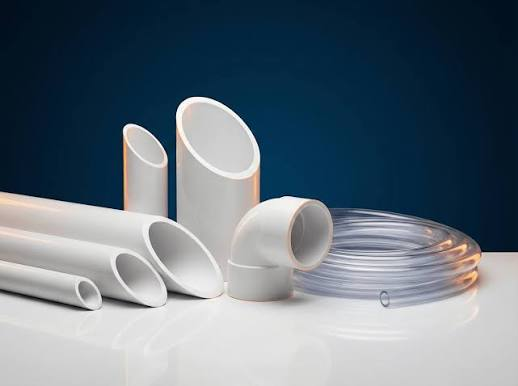
PVC material is generally available in two primary forms: rigid PVC and flexible PVC. Rigid PVC, sometimes called uPVC or unplasticized PVC, contains little or no plasticizer. This version is extremely strong and is commonly used for water pipes, sewer systems, window frames, doors, siding panels, conduit systems, fencing, and structural building products where long-term durability is essential.
Flexible PVC contains carefully controlled plasticizers that give the material softness and flexibility. This version is widely used for electrical cable insulation, medical tubing, blood bags, inflatable products, rainwear, synthetic leather, flooring, garden hoses, shower curtains, and numerous consumer goods. The flexibility allows manufacturers to create products that can bend repeatedly without cracking.
Specialized PVC formulations are also designed for demanding industrial environments. High-impact PVC improves resistance to mechanical stress, while UV-resistant formulations perform well outdoors under prolonged sunlight. Food-grade and medical-grade PVC are manufactured under strict quality standards to ensure safety for healthcare equipment, pharmaceutical packaging, and approved food contact applications.
Common Applications of PVC Material Across Industries
Construction represents the largest market for PVC material worldwide. Builders rely on PVC pipes, fittings, roofing membranes, window profiles, wall panels, vinyl flooring, cable conduits, gutters, siding, and drainage systems because the material delivers long service life with minimal maintenance. Its resistance to moisture and weather makes it especially valuable for both residential and commercial buildings.
The healthcare industry also depends heavily on PVC because of its versatility, cleanliness, and ability to be sterilized for many applications. Medical tubing, oxygen masks, IV bags, blood collection bags, surgical gloves, pharmaceutical packaging, and diagnostic equipment frequently incorporate specially formulated PVC that meets stringent healthcare standards. Its flexibility and reliability have made it one of the most established materials in modern medical manufacturing.
Automotive manufacturers use PVC in dashboards, door panels, wiring insulation, protective coatings, seals, underbody protection, upholstery, and interior trim components. Electrical and electronics industries also benefit from PVC’s excellent insulation properties, producing durable cable jackets and protective coverings that perform reliably in residential, commercial, and industrial environments.
Advantages That Make PVC Material So Popular
One of PVC’s greatest strengths is its outstanding cost-effectiveness. Compared with many engineering materials, PVC provides an impressive combination of durability, versatility, and long service life while remaining affordable to manufacture and install. This economic advantage contributes significantly to its widespread global use across multiple industries.
PVC also requires very little maintenance after installation. Pipes resist corrosion without needing protective coatings, window frames do not rot like wood, and flooring products are easy to clean with ordinary household products. These characteristics help reduce lifetime maintenance expenses for homeowners, businesses, and municipalities that rely on PVC infrastructure.
Durability further strengthens PVC’s reputation as a reliable material. Properly manufactured PVC products often remain functional for several decades under normal operating conditions. They withstand moisture, chemicals, weather exposure, biological degradation, and many environmental challenges while maintaining structural integrity. This extended lifespan contributes to lower replacement frequency and improved long-term value.
Environmental Impact, Recycling, and Sustainability of PVC
Like many plastics, PVC has generated discussion regarding its environmental impact throughout its lifecycle. Modern manufacturing practices have significantly improved production efficiency while reducing emissions and waste generation. Regulatory standards and industry innovations continue to encourage cleaner production methods and improved environmental performance across the global PVC industry.
PVC is recyclable, and many post-industrial and post-consumer PVC products are collected, processed, and incorporated into new manufacturing applications. Recycled PVC appears in products such as pipes, flooring, window profiles, cable protection systems, traffic barriers, and construction materials. Expanding recycling infrastructure continues to increase opportunities for recovering valuable PVC resources that might otherwise become waste.
Manufacturers are also developing more sustainable additives, improving energy efficiency during production, and designing products that support longer service lives. Because durable materials require less frequent replacement, long-lasting PVC products can help reduce overall material consumption over extended periods when responsibly manufactured, installed, maintained, and recycled.
Choosing High-Quality PVC Material for Different Projects
Selecting the right PVC material begins with understanding the intended application. Plumbing systems require pressure-rated PVC pipes that comply with recognized standards, while electrical installations demand insulation grades specifically designed for electrical safety. Construction materials should meet applicable building codes and performance requirements for structural reliability and weather resistance.
Product quality depends not only on the PVC resin itself but also on manufacturing consistency and formulation. High-quality products typically incorporate well-balanced stabilizers, impact modifiers, UV protection, and processing additives that improve durability, appearance, and long-term performance. Purchasing from reputable manufacturers helps ensure consistent quality and compliance with recognized industry certifications.
Installation practices also influence performance. Proper cutting, joining, welding, solvent cement application, storage, and handling contribute significantly to the lifespan of PVC products. Following manufacturer recommendations and local building regulations helps maximize durability while reducing the likelihood of leaks, deformation, or premature failure.
Future Trends and Innovations in PVC Material
Innovation continues to reshape the future of PVC material as manufacturers pursue improved performance, sustainability, and circular economy initiatives. Research focuses on advanced stabilizer technologies, enhanced recycling processes, lower-carbon manufacturing methods, and formulations that reduce environmental impact while maintaining the material’s well-known durability and versatility.
Digital manufacturing technologies are also improving PVC production. Automated quality control systems, precision extrusion equipment, and advanced formulation software allow manufacturers to produce more consistent products with tighter tolerances and reduced material waste. These improvements benefit industries ranging from construction and infrastructure to healthcare and renewable energy.
Growing investment in green building materials, smart infrastructure, and sustainable manufacturing is expected to support continued development of high-performance PVC products. As regulations evolve and recycling technologies advance, PVC is likely to remain an important engineering material that balances affordability, functionality, and long-term reliability for a wide range of applications.
Conclusion
PVC material has earned its position as one of the most important and versatile plastics used around the world. Its unique combination of strength, flexibility, chemical resistance, electrical insulation, affordability, and long service life makes it suitable for everything from construction materials and plumbing systems to medical devices, automotive components, electrical cables, and consumer products. The ability to manufacture both rigid and flexible PVC allows industries to meet diverse performance requirements while maintaining cost efficiency.
Continuous improvements in manufacturing technology, recycling systems, and sustainable product design are helping PVC evolve to meet modern environmental and performance expectations. While responsible production, proper disposal, and expanded recycling remain important priorities, PVC continues to provide dependable solutions for residential, commercial, industrial, and healthcare applications. By understanding its properties, applications, and quality considerations, consumers and professionals can confidently choose PVC material for projects that demand durability, reliability, and long-term value.
