

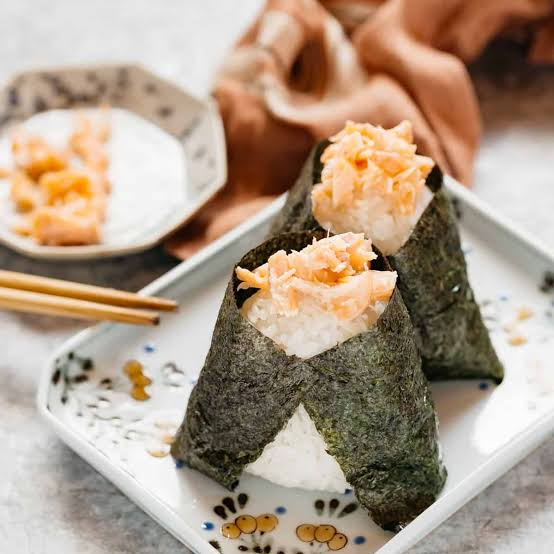
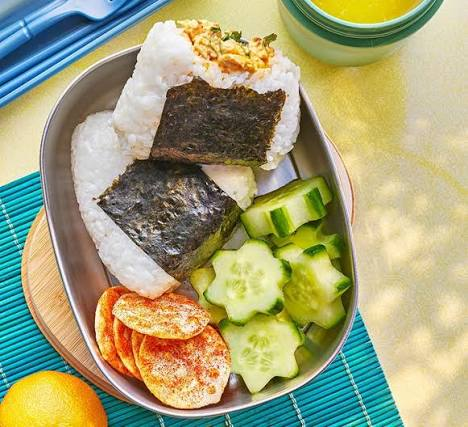
Onigiri is one of Japan’s most popular and comforting foods. These delicious rice balls are made with cooked Japanese rice and shaped into triangles, rounds, or other simple forms. They are often wrapped in a sheet of dried seaweed called nori and filled with ingredients such as salmon, tuna mayonnaise, pickled plum, or seasoned vegetables. Onigiri is simple, affordable, portable, and enjoyed by people of all ages.
You can find onigiri in Japanese homes, supermarkets, convenience stores, lunch boxes, and restaurants. Although it may look similar to sushi, onigiri is a different food with its own preparation methods, flavours, and cultural importance. It is especially popular as a quick breakfast, school lunch, picnic snack, or convenient meal while travelling.
Quick Facts About Onigiri
| Category | Details |
|---|---|
| Food Name | Onigiri |
| Japanese Name | おにぎり |
| Also Known As | Japanese rice balls |
| Origin | Japan |
| Main Ingredient | Japanese short-grain rice |
| Common Shape | Triangle, round, or oval |
| Popular Wrapper | Nori seaweed |
| Popular Fillings | Salmon, tuna mayo, umeboshi |
| Main Flavour | Mild, savoury, and sometimes tangy |
| Serving Temperature | Room temperature or warm |
| Meal Type | Snack, breakfast, or lunch |
| Preparation Method | Cook, season, shape, and fill |
| Suitable For | Homemade meals, lunch boxes, and picnics |
1. What Is Onigiri?
Onigiri is a traditional Japanese food prepared by shaping cooked rice into small, manageable portions. The rice is usually formed into a triangle or round shape using clean hands or a special mould. Some versions contain a filling in the centre, while others are simply seasoned with salt or mixed with different ingredients.
One of the most recognizable features of onigiri is its simplicity. Unlike many complicated dishes, it does not require expensive ingredients or advanced cooking skills. A small amount of rice, a suitable filling, and a piece of nori can create a satisfying snack. Its simple preparation makes it convenient for busy families, students, workers, and travellers.
Onigiri can have many different flavours depending on the filling and seasoning. Salmon provides a savoury seafood taste, while tuna mayonnaise creates a creamy texture. Pickled plum, known as umeboshi, adds a distinctive sour and salty flavour. Some varieties contain vegetables, seaweed, sesame seeds, or cooked meat.
Although Japanese convenience stores sell many ready-made varieties, homemade onigiri remains popular because people can choose their preferred ingredients and adjust the flavour. It is a flexible dish that can be prepared according to individual tastes.
2. The History and Cultural Importance of Onigiri
Onigiri has a long history in Japanese food culture. Rice has been an important part of Japanese meals for centuries, and shaping cooked rice into portable portions provided a practical way to carry food during travel and outdoor activities. Early forms of rice balls were simple and focused on convenience rather than decoration.
Over time, rice balls became a familiar part of everyday Japanese life. People prepared them for journeys, work, school, festivals, and family outings. Their portability made them especially useful before modern food packaging and convenience stores became common.
Onigiri also became closely associated with Japanese lunch boxes, known as bento. Parents often prepare rice balls for children because they are easy to hold and eat. Workers and students also enjoy them as a quick meal that does not require complicated preparation or special equipment.
Today, onigiri represents more than a convenient rice dish. It reflects the importance of rice in Japanese culture and the value placed on simple, carefully prepared food. Traditional fillings continue to be enjoyed alongside modern combinations, allowing the dish to remain familiar while adapting to changing food preferences.
3. Main Ingredients Used in Onigiri
The most important ingredient in onigiri is Japanese short-grain rice. This type of rice becomes slightly sticky after cooking, allowing it to hold its shape without falling apart. Ordinary long-grain rice is generally less suitable because its grains do not stick together as easily.
Water is needed to cook the rice, while a small amount of salt can be used to season the outside. Some people also add sesame seeds, furikake seasoning, or finely chopped vegetables to give the rice additional flavour.
Nori is another popular ingredient. It is a dried seaweed sheet commonly used to wrap the outside of rice balls. It makes onigiri easier to hold and adds a distinctive seaweed flavour. Some people prefer wrapping the entire rice ball, while others use a smaller strip of nori around the bottom.
The filling depends on personal preference. Cooked salmon, tuna mixed with mayonnaise, pickled plum, seasoned vegetables, and cooked chicken are common choices. Fillings should be prepared properly and used in suitable quantities so that the rice ball remains firm and easy to handle.
4. Popular Types of Onigiri
There are many varieties of onigiri in Japan, and each offers a different flavour experience. Salmon onigiri is one of the most familiar options. It usually contains cooked and flaked salmon inside seasoned rice. Its savoury taste makes it a popular choice for people who enjoy seafood.
Tuna mayonnaise onigiri is another favourite. It combines tuna with mayonnaise to create a creamy filling. This variety is particularly popular in Japanese convenience stores and is often chosen as a quick snack or lunch.
Umeboshi onigiri contains a Japanese pickled plum. The filling has a strong sour and salty flavour that contrasts with the mild taste of rice. It is a traditional option and is especially appreciated by people who enjoy distinctive Japanese flavours.
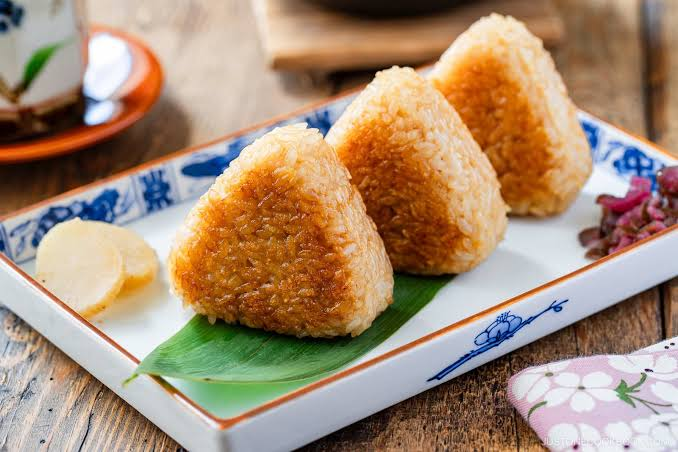
Yaki onigiri is a grilled version of the dish. The rice ball is shaped and cooked in a pan or on a grill until the outside becomes lightly crispy. Soy sauce or miso can be brushed onto the surface to add a rich, savoury flavour. Other varieties include kombu onigiri, seasoned vegetable onigiri, and rice balls mixed with sesame seeds.
5. How to Make Onigiri at Home
Making onigiri at home is relatively easy, even for beginners. The most important step is preparing the rice correctly. Japanese short-grain rice is the best choice because it has the sticky texture needed to hold the shape.
Start by measuring the rice and rinsing it several times with clean water. This helps remove excess surface starch and keeps the cooked rice from becoming unnecessarily heavy. Cook it using a rice cooker or a saucepan according to the rice package instructions. Allow the rice to cool slightly so that it is comfortable to handle while remaining warm enough to shape.
Prepare the filling separately. Cooked salmon, tuna mayonnaise, or another preferred filling can be placed in a small bowl. Avoid using too much filling because it can make the rice ball difficult to close.
Wet your clean hands with water and rub a little salt over your palms. Take a portion of warm rice and gently flatten it. Place a small amount of filling in the centre, then cover it with more rice. Carefully shape the rice into a triangle, round, or oval without squeezing it too tightly.
Finally, wrap the onigiri with nori if desired. You can serve it immediately or place it in a suitable lunch box for later. The finished rice ball should hold its shape while remaining soft and tender.
6. Onigiri vs. Sushi: What Is the Difference?
Onigiri and sushi are both popular Japanese foods that use rice, but they are not the same dish. One of the biggest differences is the way the rice is prepared. Traditional sushi rice is seasoned with a mixture of vinegar, sugar, and salt. Onigiri generally uses plain cooked rice, sometimes seasoned with a little salt.
Their shapes and purposes are also different. Sushi comes in several forms, including rolls, pressed rice, and pieces served with seafood or vegetables. Onigiri is usually shaped into a triangle, round, or oval and designed to be eaten easily by hand.
The fillings are another important difference. Sushi often features raw or cooked seafood, vegetables, and other carefully prepared ingredients. Onigiri commonly contains cooked or preserved fillings such as salmon, tuna mayonnaise, pickled plum, and seasoned seaweed.
Their serving styles can also vary. Sushi is frequently served as part of a restaurant meal, while onigiri is commonly prepared at home or purchased as a portable snack. Both foods are important in Japanese cuisine, but they offer different eating experiences.
7. Is Onigiri Healthy?
Onigiri can be part of a balanced diet because its main ingredient is rice, which provides carbohydrates that the body uses for energy. It is also convenient for people who want a simple meal that can be prepared in advance.
The nutritional value depends largely on the filling and portion size. Salmon provides protein and beneficial fats, while tuna can contribute additional protein. Vegetable fillings can add flavour and some fibre, depending on the ingredients used. Seaweed also contributes small amounts of minerals and other nutrients.
However, not every variety has the same nutritional profile. Tuna mayonnaise may contain more fat and calories than a simple vegetable-filled rice ball. Salted or pickled fillings can also increase sodium content. People who need to monitor their sodium intake should pay attention to the amount of salt and seasoning used.
A balanced meal can include onigiri alongside vegetables, soup, eggs, or another source of protein. Choosing suitable fillings and controlling portion sizes can make it easier to enjoy this Japanese food as part of an everyday eating routine.
8. Best Fillings and Creative Onigiri Ideas
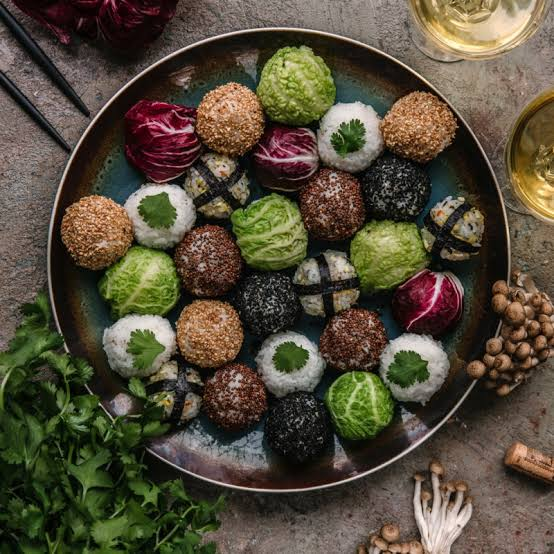
One reason onigiri is so popular is the wide variety of fillings that can be used. Traditional options remain favourites, but modern recipes allow people to experiment with different ingredients and flavour combinations.
Salmon is an excellent choice for anyone who enjoys a classic savoury filling. Cooked salmon can be flaked into small pieces and placed inside the rice. A little salt or sesame seasoning can enhance its flavour without making the filling too complicated.
Tuna mayonnaise is another convenient option. Mix drained tuna with a small amount of mayonnaise and use it as the centre filling. The mixture should not be too watery because excess moisture can make the rice difficult to shape.
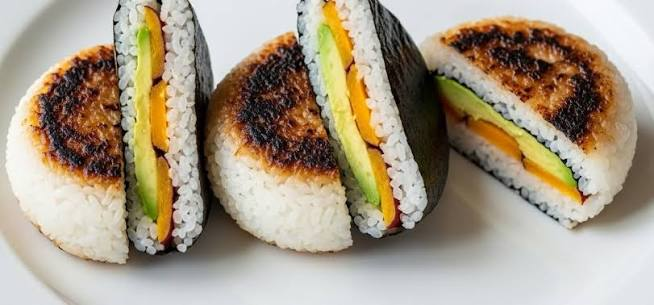
Vegetarian onigiri can be prepared with seasoned mushrooms, cooked carrots, spinach, avocado, or pickled vegetables. These ingredients offer different textures and flavours while providing alternatives to seafood and meat.
For a more distinctive taste, try grilled onigiri with soy sauce. Shape the rice first, then lightly grill it in a pan until the outside becomes golden. Brush the surface with a little soy sauce near the end of cooking. The result is a crispy exterior with a soft rice centre.
9. How to Store and Serve Onigiri
Onigiri is often enjoyed fresh because the rice has a soft texture and the seaweed remains pleasant to eat. If you are preparing it for a lunch box, use clean hands and properly cooked ingredients. Keep fillings such as seafood, mayonnaise, and cooked meat refrigerated until preparation.
Rice is a food that requires careful handling. Cooked rice should not be left at room temperature for long periods because harmful bacteria can grow under unsuitable storage conditions. Refrigerate leftovers promptly in a covered container and avoid keeping them for extended periods.
When storing onigiri, it is useful to keep the nori separate until serving. This helps prevent the seaweed from becoming soft due to moisture from the rice. Some packaged Japanese onigiri use special wrapping to keep the seaweed crisp until the package is opened.
Onigiri can be served on its own or alongside miso soup, Japanese pickles, vegetables, or a simple egg dish. For a more complete meal, combine a rice ball with a protein-rich side and fresh vegetables. This creates a convenient lunch that is easy to prepare and enjoyable to eat.
10. Why Onigiri Is Popular Around the World
Onigiri has become increasingly familiar outside Japan because it is simple, adaptable, and easy to enjoy. Japanese restaurants, Asian grocery stores, and international food businesses have introduced different varieties to people who may be trying Japanese rice balls for the first time.
Social media has also helped increase interest in onigiri. Attractive triangular shapes, colourful fillings, and creative presentations make it suitable for food photography and short cooking videos. Many home cooks share recipes that show how to prepare rice balls using ingredients available in their local supermarkets.
Another reason for its popularity is flexibility. People can choose traditional Japanese fillings or experiment with ingredients that suit their own food preferences. Vegetarian, seafood, and cooked-meat options make it possible to prepare different versions for different meals and occasions.
Onigiri is also practical for people with busy schedules. It can be prepared in advance, packed for lunch, or served as a quick snack. Its combination of convenience, familiar ingredients, and traditional Japanese character continues to make it appealing to food lovers worldwide.
Conclusion
Onigiri is a simple yet meaningful part of Japanese cuisine. Made primarily from cooked Japanese rice, these versatile rice balls can contain salmon, tuna mayonnaise, pickled plum, vegetables, or many other fillings. Their convenient shape makes them suitable for breakfast, lunch, travel, and everyday snacks.
Whether you enjoy a traditional salmon rice ball, a tangy umeboshi filling, or crispy grilled yaki onigiri, there are many ways to experience this popular Japanese food. With a few basic ingredients and simple preparation steps, anyone can make onigiri at home and enjoy a taste of Japanese food culture.
