

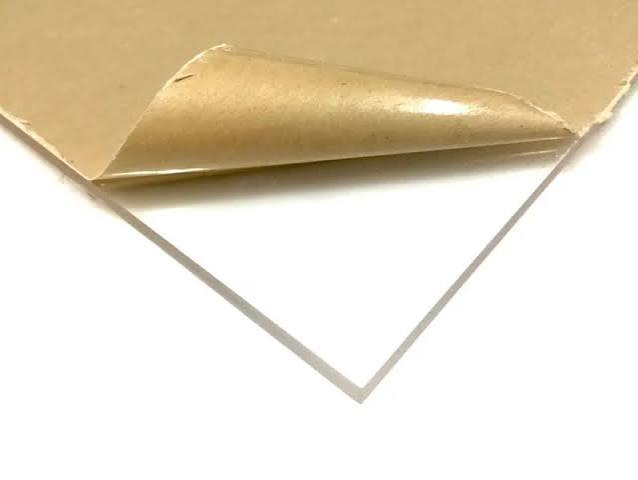
Clear plastic sheets have become one of the most versatile materials used in homes, businesses, schools, construction projects, and manufacturing industries. Their excellent transparency, lightweight design, durability, and affordability make them suitable for countless applications. Whether you need a protective barrier, a replacement for glass, a crafting material, or a durable surface for DIY projects, clear plastic sheets offer a practical solution. Available in different materials such as acrylic, polycarbonate, PETG, PVC, and polystyrene, these sheets are designed to meet a wide variety of needs.
As technology and manufacturing processes continue to improve, clear plastic sheets, are now stronger, more UV-resistant, and easier to fabricate than ever before. They are widely used for windows, display cases, greenhouse panels, signage, sneeze guards, machine guards, furniture protection, packaging, and interior design projects. Understanding the different materials, thicknesses, finishes, and applications helps buyers choose the right product for their specific requirements. This guide explains everything you need to know about clear plastic sheets, from their common types to maintenance tips, ensuring you make an informed purchasing decision.
What Are Clear Plastic Sheets?
Clear plastic sheets are transparent plastic panels manufactured in flat sheet form for commercial, industrial, and residential applications. Unlike traditional glass, these sheets are significantly lighter and often more impact-resistant, making them a safer option in many environments. Depending on the material, they can provide excellent optical clarity while remaining easy to cut, shape, drill, and install.
Modern clear plastic sheets are available in numerous sizes, thicknesses, and grades to suit different purposes. Some are designed for indoor decorative use, while others are engineered to withstand harsh outdoor conditions, prolonged UV exposure, or heavy impacts. Their adaptability makes them one of the most widely used plastic materials across multiple industries.
Types of Clear Plastic Sheets
Several types of clear plastic sheets are available, each offering unique properties. Acrylic sheets, often referred to as plexiglass, are known for their crystal-clear appearance and excellent weather resistance. They are commonly used for display cases, picture frames, windows, retail fixtures, aquariums, and decorative projects because they closely resemble glass while weighing much less.
Polycarbonate sheets are valued for their exceptional impact resistance and durability. They are frequently used in safety glazing, greenhouse roofing, protective barriers, machine guards, and security applications where strength is a priority. PETG sheets are popular for fabrication and thermoforming due to their flexibility and food-safe properties, while clear PVC sheets are commonly selected for industrial environments requiring chemical resistance. Polystyrene sheets are another economical option for lightweight displays and craft projects.
Common Uses of Clear Plastic Sheets
Clear plastic sheets are used across countless industries because of their versatility and durability. In homes, they are often installed as window replacements, tabletop protectors, cabinet inserts, shower panels, shelving covers, and furniture protectors. DIY enthusiasts also use them for crafting, laser cutting, engraving, model making, and custom home improvement projects.
Commercial businesses rely on clear plastic sheets for retail displays, protective screens, menu boards, point-of-sale displays, product showcases, and office partitions. Industrial facilities utilize them for machine guards, protective enclosures, equipment covers, safety barriers, and fabrication components. Their lightweight construction and ease of installation make them ideal for projects where traditional glass would be too heavy or fragile.
Benefits of Using Clear Plastic Sheets
One of the greatest advantages of clear plastic sheets is their outstanding combination of strength and lightweight construction. Many plastic materials weigh considerably less than glass, making transportation, handling, and installation much easier. Certain materials, particularly polycarbonate, offer impressive impact resistance that significantly reduces the risk of breakage during everyday use.
Clear plastic sheets also provide excellent design flexibility. They can often be cut, drilled, routed, polished, bent, and thermoformed into custom shapes without sacrificing clarity. Many products include UV-resistant coatings that help prevent yellowing and maintain optical transparency for years when installed outdoors. Their resistance to moisture, corrosion, and many chemicals further extends their usefulness in demanding environments.
How to Choose the Right Clear Plastic Sheet
Selecting the right clear plastic sheet begins with understanding the intended application. Indoor decorative projects may benefit from acrylic because of its exceptional clarity and polished appearance, while projects requiring maximum durability often perform better with polycarbonate. Buyers should also consider environmental exposure, expected impact, temperature fluctuations, and chemical contact before selecting a material.
Thickness is another important factor when purchasing clear plastic sheets. Thinner sheets are suitable for crafts, protective covers, and lightweight displays, whereas thicker sheets provide greater rigidity for windows, partitions, shelving, and structural applications. Choosing the correct dimensions minimizes waste and ensures the finished installation performs as expected throughout its service life.
Cutting, Drilling, and Installing Clear Plastic Sheets
Many clear plastic sheets are designed for easy fabrication using common woodworking and plastic-cutting tools. Fine-tooth saw blades, plastic scoring knives, routers, and laser cutters can produce clean edges when used correctly. During fabrication, proper support helps prevent vibration and reduces the likelihood of cracking or chipping, especially when working with acrylic sheets.
Installation methods vary depending on the project requirements. Sheets may be secured using screws, adhesive systems, framing channels, or specialized mounting hardware. Allowing for thermal expansion during installation is particularly important for outdoor applications because temperature changes can cause slight movement. Proper installation techniques improve both the appearance and long-term durability of the finished project.
Cleaning and Maintaining Clear Plastic Sheets
Proper maintenance helps preserve the transparency and appearance of clear plastic sheets for many years. Dust and dirt should be removed using a soft microfiber cloth and a mild soap solution. Gentle cleaning prevents scratches while maintaining the glossy surface. Abrasive cleaners, rough sponges, and harsh chemicals should generally be avoided because they can damage the plastic or reduce its optical clarity.
Protective films supplied by manufacturers should remain in place during cutting, drilling, and installation whenever possible. Once installed, regular cleaning prevents dirt buildup and helps maintain maximum visibility. If minor scratches develop over time, certain plastic polishing compounds can restore clarity on compatible materials, extending the sheet’s useful lifespan without requiring replacement.
Indoor and Outdoor Applications
Clear plastic sheets perform exceptionally well in indoor environments where appearance, cleanliness, and durability are equally important. Offices frequently use them for desk dividers, protective barriers, and display cases, while homeowners install them in cabinets, furniture, shelving, and decorative panels. Schools, hospitals, museums, restaurants, and retail stores also rely on transparent plastic panels for hygiene, safety, and product presentation.
Outdoor applications require materials capable of resisting sunlight, weather, and temperature changes. UV-resistant acrylic and polycarbonate sheets are commonly selected for greenhouse panels, patio enclosures, skylights, outdoor signs, storm windows, and protective covers. Choosing weather-resistant materials ensures long-lasting performance while maintaining transparency even after years of environmental exposure.
Conclusion
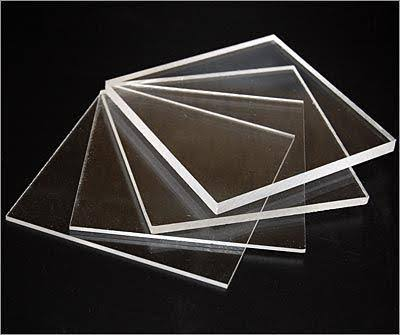
Clear plastic sheets have become an essential material for residential, commercial, and industrial applications because they combine durability, transparency, versatility, and ease of fabrication. Whether you need a lightweight glass alternative, a protective barrier, a crafting material, or a durable construction panel, there is a clear plastic sheet designed to meet your specific needs. Understanding the different materials, thickness options, fabrication methods, and environmental considerations allows buyers to select the most suitable product with confidence.
By investing in high-quality clear plastic sheets and following proper installation and maintenance practices, users can enjoy years of reliable performance with minimal upkeep. From home improvement projects to professional manufacturing applications, these transparent plastic panels continue to provide practical, cost-effective, and visually appealing solutions across a wide range of industries. As manufacturing technology advances, clear plastic sheets remain one of the most dependable materials for projects that require strength, clarity, and long-term durability.
