

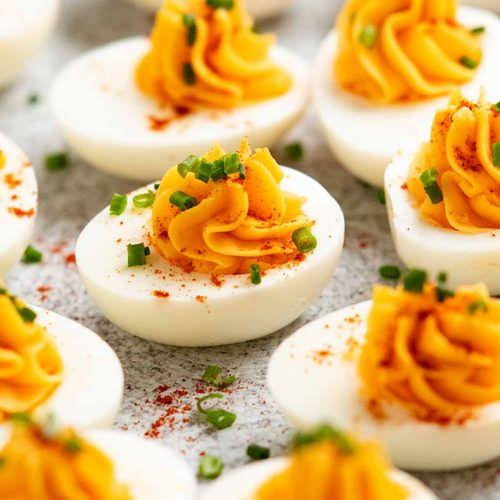
Deviled eggs are one of the most beloved appetizers in American cuisine and have earned a place at holiday dinners, family gatherings, picnics, potlucks, and festive celebrations around the world. Made by hard-boiling eggs, removing the yolks, and blending them into a creamy, flavorful filling before returning the mixture to the egg whites, deviled eggs combine simple ingredients with timeless appeal. Their smooth texture, rich flavor, and elegant presentation make them suitable for both casual meals and special occasions.
Despite their simplicity, deviled eggs offer endless opportunities for creativity. The classic recipe typically features mayonnaise, mustard, vinegar, salt, pepper, and paprika, but modern versions often include fresh herbs, bacon, avocado, pickles, hot sauce, cheese, smoked salmon, or various spices. These variations allow home cooks to personalize the dish while preserving the familiar creamy filling that has made deviled eggs popular for generations.
The continued popularity of deviled eggs comes from their balance of convenience, affordability, and versatility. They can be prepared ahead of time, require only a handful of pantry staples, and pair well with many different menus. Whether served as an appetizer, party snack, brunch dish, or holiday side, deviled eggs remain a reliable favorite that appeals to guests of all ages.
Although the recipe appears straightforward, preparing perfect deviled eggs involves more than simply mixing yolks with mayonnaise. Properly cooked eggs, smooth filling, balanced seasoning, and attractive presentation all contribute to exceptional results. Understanding these techniques helps transform a simple recipe into an appetizer worthy of any occasion.
What Are Deviled Eggs?
Deviled eggs are hard-boiled eggs that have been peeled, cut in half lengthwise, and filled with a seasoned mixture made primarily from cooked egg yolks. After removing the yolks, they are mashed until smooth and combined with ingredients such as mayonnaise, mustard, vinegar, salt, and pepper. The creamy mixture is then spooned or piped back into the egg white halves before being garnished with paprika, herbs, or other toppings.
The word “deviled” has historically referred to foods prepared with bold or spicy seasonings rather than anything related to the eggs themselves. In traditional recipes, mustard, black pepper, paprika, and vinegar provided enough sharpness to earn the name. Today, the term continues to describe this classic appetizer regardless of whether the filling is mildly seasoned or more adventurous.
Because deviled eggs are easy to prepare and naturally portioned, they have become a staple at celebrations including Easter, Thanksgiving, Christmas, summer barbecues, bridal showers, and family reunions. Their combination of creamy filling and tender egg whites creates a satisfying bite that rarely goes out of style.
The History and Lasting Popularity of Deviled Eggs
The origins of deviled eggs can be traced back to ancient civilizations that served boiled eggs with flavorful sauces and seasonings. Over time, recipes evolved throughout Europe before becoming especially popular in the United States during the nineteenth and twentieth centuries. As refrigeration improved and mayonnaise became widely available, deviled eggs developed into the creamy appetizer recognized today.
Throughout the decades, deviled eggs have remained a symbol of home cooking and hospitality. Family recipes are often passed from one generation to another, with each household adding its own unique blend of mustard, pickle relish, herbs, or spices. These small variations help preserve tradition while allowing creativity to flourish.
Modern interest in classic comfort foods has introduced deviled eggs to new audiences. Professional chefs frequently reinvent the recipe using gourmet ingredients, while home cooks continue appreciating the simplicity and reliability of the traditional version. This balance between tradition and innovation explains why deviled eggs remain one of the most enduring appetizers in home kitchens.
Essential Ingredients for Classic Deviled Eggs
The quality of the ingredients greatly influences the finished flavor and texture. Fresh large eggs provide firm whites and rich yolks that blend smoothly into the filling. Properly hard-boiled eggs with fully cooked yolks are essential for creating a creamy mixture without any graininess or discoloration around the yolk.
Mayonnaise contributes richness and silky consistency, while mustard adds tangy flavor that balances the natural richness of the egg yolks. White vinegar, apple cider vinegar, or lemon juice introduces gentle acidity that brightens the filling. Salt and freshly ground black pepper enhance every ingredient without overpowering the delicate taste of the eggs.
Paprika remains the classic garnish because it provides subtle color and mild flavor while creating the familiar appearance associated with deviled eggs. Fresh herbs such as chives, parsley, dill, or green onions also complement the filling beautifully, adding freshness and visual appeal that elevate the finished appetizer.
How to Make Perfect Deviled Eggs Every Time
The first step toward excellent deviled eggs is properly boiling the eggs. Cooking them until the yolks are fully set while avoiding overcooking helps prevent the grayish-green ring that sometimes forms around the yolk. After cooking, immediately cooling the eggs in cold water makes peeling easier and helps preserve their smooth appearance.
Once peeled, slicing the eggs carefully with a clean, sharp knife creates neat halves that hold the filling securely. Removing the yolks gently prevents damage to the whites, allowing the finished appetizer to look polished and attractive. Mashing the yolks thoroughly before mixing in the remaining ingredients ensures a smooth filling free from lumps.
Many cooks prefer piping the filling into the egg whites using a piping bag or resealable plastic bag with the corner removed. This simple technique produces an elegant presentation while distributing the filling evenly. A light sprinkle of paprika or chopped herbs completes the classic appearance and enhances the overall flavor.
Popular Flavor Variations for Deviled Eggs
Although traditional deviled eggs remain the most recognizable version, countless flavor variations have emerged to suit modern tastes. Fresh herbs such as dill, parsley, basil, and chives introduce brightness, while finely chopped pickles or relish add pleasant acidity and texture. Dijon mustard, whole-grain mustard, or spicy brown mustard create deeper flavor profiles without dramatically changing the recipe.
Many contemporary recipes incorporate ingredients such as avocado, smoked paprika, roasted garlic, hot sauce, crispy bacon, shredded cheese, caramelized onions, or smoked salmon. These additions build upon the classic filling while introducing unique flavors that appeal to different preferences. Even subtle changes can create noticeably different results while preserving the creamy consistency that defines deviled eggs.
International flavors have also inspired creative interpretations. Curry powder, sriracha, chipotle peppers, wasabi, pesto, olives, feta cheese, and Mediterranean herbs all offer fresh perspectives on the classic recipe. Despite these innovations, the smooth egg yolk filling remains the heart of every successful variation.
Nutritional Benefits of Deviled Eggs
Eggs are naturally rich in high-quality protein, making deviled eggs a satisfying appetizer that supports balanced meals. They also provide essential nutrients including vitamin B12, vitamin D, selenium, phosphorus, riboflavin, and choline, a nutrient important for normal brain function and overall health. These nutritional qualities contribute to the lasting popularity of egg-based dishes in many dietary patterns.
The nutritional profile of deviled eggs depends partly on the ingredients added to the filling. Using moderate amounts of mayonnaise while incorporating yogurt, avocado, or lighter alternatives can create different nutritional balances without sacrificing creaminess. Fresh herbs and vegetables may also contribute additional vitamins and flavor.
Because deviled eggs are naturally low in carbohydrates, they fit comfortably into several eating styles that emphasize protein-rich foods. When enjoyed as part of a varied diet that includes vegetables, fruits, whole grains, and healthy fats, they provide a flavorful appetizer with meaningful nutritional value.
Common Mistakes to Avoid When Preparing Deviled Eggs
One of the most common mistakes is overcooking the eggs. Extended boiling can produce dry yolks and the characteristic green ring around the yolk caused by a natural chemical reaction. Carefully controlling cooking time and cooling the eggs promptly helps preserve both appearance and texture.
Another frequent issue is creating a filling that is either too thick or too runny. Adding mayonnaise gradually while mixing thoroughly allows better control over consistency. The filling should be smooth enough to pipe easily while remaining firm enough to hold its shape inside the egg whites.
Seasoning should also be balanced carefully. Excessive mustard, vinegar, or salt can overwhelm the delicate flavor of the eggs, while insufficient seasoning may leave the filling tasting bland. Tasting the mixture before filling the eggs allows small adjustments that create a harmonious balance of richness, acidity, and savory flavor.
Serving and Storing Deviled Eggs Safely
Deviled eggs are best served chilled, making them an excellent make-ahead appetizer for parties and family gatherings. Preparing the filling several hours in advance allows the flavors to blend while reducing last-minute preparation. Many cooks store the egg whites and filling separately until shortly before serving to maintain the freshest appearance.
Proper refrigeration is essential because deviled eggs contain perishable ingredients such as cooked eggs and mayonnaise. Keeping them chilled until serving helps preserve both quality and food safety, particularly during warm-weather events such as outdoor picnics or summer barbecues.
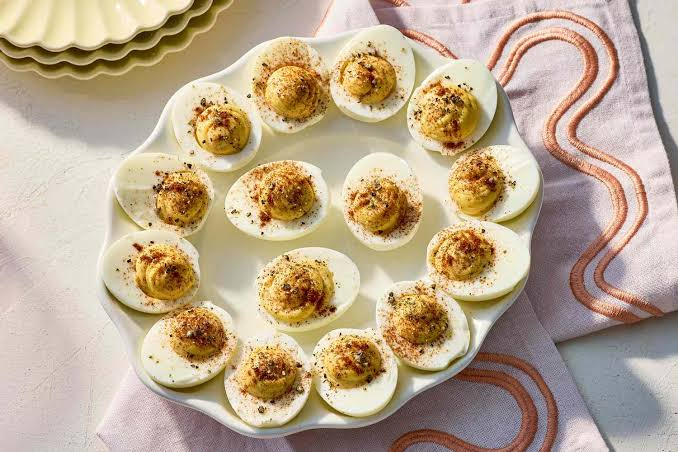
Serving deviled eggs on a dedicated platter helps prevent movement while showcasing their attractive presentation. Garnishing immediately before serving preserves the freshness of herbs and spices while ensuring each egg looks vibrant and appetizing throughout the meal.
Why Deviled Eggs Continue to Be a Timeless Favorite
Deviled eggs have remained popular for generations because they successfully combine simplicity, elegance, and satisfying flavor. Their creamy filling, tender egg whites, and endless customization possibilities make them suitable for nearly every occasion, from casual family meals to formal holiday celebrations. Few appetizers offer the same balance of affordability, convenience, and broad appeal.
Their adaptability also contributes to their enduring success. Classic recipes continue to delight those who appreciate traditional flavors, while modern variations introduce exciting ingredients that keep the dish fresh and relevant. Whether prepared with simple pantry staples or elevated with gourmet additions, deviled eggs consistently deliver excellent results.
For anyone seeking an easy yet impressive appetizer, deviled eggs remain one of the most dependable recipes available. With quality ingredients, careful cooking techniques, balanced seasoning, and thoughtful presentation, this classic dish continues to earn its place at tables around the world. As both a nostalgic comfort food and a versatile modern appetizer, deviled eggs demonstrate that timeless recipes never lose their ability to bring people together over good food.
