

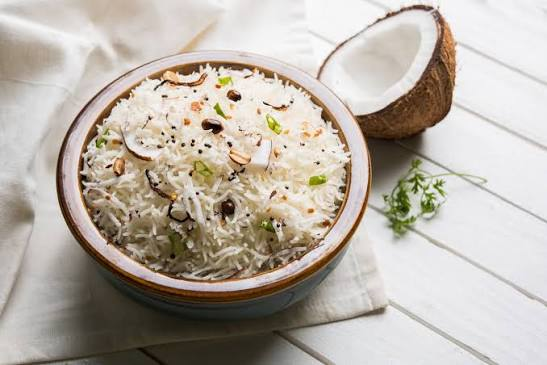
Coconut milk rice is a comforting and aromatic dish enjoyed in many parts of the world, particularly across Southeast Asia, the Caribbean, South Asia, Africa, and tropical regions where coconuts are abundant. Made by cooking rice in coconut milk instead of only water, this simple recipe transforms an everyday staple into a rich, creamy, and flavorful side or main dish. The natural sweetness of coconut milk balances beautifully with savory ingredients, making coconut milk rice incredibly versatile for both traditional and modern meals.
The popularity of coconut milk rice continues to grow because it pairs well with countless cuisines and accommodates various dietary preferences. Whether served alongside vegetable curries, grilled seafood, roasted chicken, spicy stir-fries, beans, or tropical fruit, its delicate coconut aroma enhances every bite without overpowering the accompanying flavors. It is equally suitable for everyday family dinners and festive celebrations, thanks to its elegant taste and satisfying texture.
A perfectly cooked bowl of coconut milk rice should have tender, fluffy grains with a subtle creamy richness rather than being overly heavy or sticky. Achieving this balance depends on selecting the right rice, using quality coconut milk, and maintaining proper cooking ratios. With a few simple techniques, home cooks can consistently prepare restaurant-quality coconut milk rice that captures the authentic flavors found in traditional kitchens around the world.
Today, coconut milk rice has become a favorite among home cooks, professional chefs, and food enthusiasts looking for simple yet impressive recipes. Its ability to complement spicy, savory, sweet, and tangy dishes has made it a staple in countless households, proving that a handful of quality ingredients can create a remarkably memorable meal.
What Is Coconut Milk Rice?
Coconut milk rice is a rice dish prepared by cooking rice with coconut milk, either entirely or in combination with water or broth. As the rice cooks, it absorbs the rich, creamy liquid, resulting in tender grains infused with the natural sweetness and fragrance of coconut. The finished dish has a soft texture and delicate tropical flavor that works beautifully with both savory and mildly sweet recipes.
Although the cooking method is straightforward, coconut milk rice varies significantly across different cultures. Southeast Asian recipes often include pandan leaves, ginger, or lemongrass for additional fragrance, while Caribbean versions frequently incorporate thyme, scallions, garlic, or beans to create a more savory dish. South Asian preparations may feature spices such as cardamom, cinnamon, or cloves, highlighting the versatility of this globally appreciated recipe.
Despite these regional differences, the core principle remains the same: quality rice slowly cooks in coconut milk until each grain becomes flavorful and tender. This simple approach allows coconut milk rice to retain its authentic character while adapting easily to local ingredients and culinary traditions.
Choosing the Best Ingredients for Coconut Milk Rice
Excellent coconut milk rice begins with selecting high-quality ingredients. Long-grain jasmine rice is one of the most popular choices because its naturally fragrant aroma complements the richness of coconut milk. Basmati rice also produces excellent results, especially for lighter preparations, while medium-grain rice creates a slightly creamier texture. Regardless of the variety, rinsing the rice before cooking removes excess starch and helps produce fluffy, separate grains.
Coconut milk is equally important to the final outcome. Full-fat coconut milk creates the richest texture and deepest coconut flavor, making it the preferred option for traditional recipes. Light coconut milk can be used for a milder result, although the finished rice may be slightly less creamy. Unsweetened coconut milk is generally recommended to maintain balance and allow the natural sweetness of the coconut to complement rather than dominate the dish.
Simple seasonings elevate the overall flavor without masking the coconut. Salt enhances the sweetness naturally present in coconut milk, while ingredients such as fresh ginger, garlic, pandan leaves, lime zest, bay leaves, or scallions contribute subtle aromatic complexity. Many traditional recipes rely on only a few carefully selected ingredients, allowing the coconut flavor to remain the centerpiece.
How Coconut Milk Creates Rich Flavor and Texture
The unique appeal of coconut milk rice comes from the composition of coconut milk itself. Rich in natural coconut oils, it coats each grain of rice during cooking, creating a soft, silky texture while infusing every bite with a gentle tropical aroma. Unlike dairy products, coconut milk provides creaminess without overpowering the delicate flavor of properly cooked rice.
As the rice absorbs the liquid, starches gradually soften while coconut fats distribute evenly throughout the dish. This process produces rice that feels luxurious yet remains light enough to accompany richly seasoned curries, grilled vegetables, roasted meats, seafood, or legumes. The subtle sweetness also helps balance spicy foods, making coconut milk rice an ideal pairing for dishes featuring chili, curry paste, or bold seasonings.
Proper cooking temperature is essential for achieving the desired consistency. Gentle simmering allows the rice to absorb moisture evenly while preventing the coconut milk from separating. Resting the rice after cooking further improves texture by allowing the remaining moisture to distribute throughout the grains before serving.
Popular Regional Variations Around the World
Coconut milk rice appears in numerous culinary traditions, each showcasing local ingredients and cultural influences. Throughout Southeast Asia, fragrant jasmine rice is commonly cooked with coconut milk and pandan leaves, producing an aromatic side dish frequently served alongside spicy curries, grilled meats, and seafood. In countries where coconut palms thrive, this preparation has become an everyday staple enjoyed across generations.
Caribbean coconut rice often incorporates herbs, garlic, onions, scallions, and beans to create a heartier dish with deeper savory flavors. Coconut milk provides richness while fresh herbs contribute brightness, resulting in a balanced meal that complements jerk seasoning, stewed vegetables, or grilled fish. These regional recipes demonstrate how coconut milk adapts beautifully to local ingredients without losing its essential character.
South Asian versions may include warming spices such as cinnamon, cloves, cardamom, or cumin to produce fragrant rice suitable for festive meals and family celebrations. African coastal cuisines also feature coconut milk rice alongside fish, vegetables, and slow-cooked stews, highlighting the widespread appreciation for this versatile cooking technique across tropical regions.
Health Benefits and Nutritional Value of Coconut Milk Rice
Coconut milk rice provides carbohydrates that supply energy while also delivering nutrients naturally found in coconut milk. Depending on the ingredients used, the dish may contain dietary fiber, manganese, copper, iron, potassium, and healthy fats. Choosing minimally processed rice varieties can further increase the nutritional value by preserving additional fiber and essential minerals.
When paired with vegetables, legumes, lean proteins, or seafood, coconut milk rice becomes part of a balanced meal that offers sustained energy and satisfying flavor. Its creamy texture often allows cooks to rely less on butter or heavy cream while still creating a rich and enjoyable dish. Many people following dairy-free or lactose-free diets also appreciate coconut milk as a plant-based alternative for achieving creaminess.
Portion size remains important because full-fat coconut milk naturally contains more calories than water-based cooking liquids. Enjoying coconut milk rice as part of a varied diet allows individuals to benefit from its flavor and nutritional qualities while maintaining overall dietary balance. Using fresh ingredients and moderate seasoning further supports a wholesome meal.
Tips for Cooking Perfect Coconut Milk Rice Every Time
Achieving consistently fluffy coconut milk rice begins with proper preparation. Washing the rice thoroughly removes excess surface starch that can otherwise make the finished dish overly sticky. Measuring the liquid accurately also helps ensure that the grains cook evenly while maintaining their structure. Too much liquid may create mushy rice, whereas too little can leave the center undercooked.
Cooking over low to medium heat encourages gradual absorption of the coconut milk without scorching the bottom of the pot. Once the liquid has been absorbed, allowing the rice to rest with the lid closed for several minutes enables moisture to redistribute evenly throughout the grains. Fluffing gently with a fork separates the rice without crushing its delicate texture.
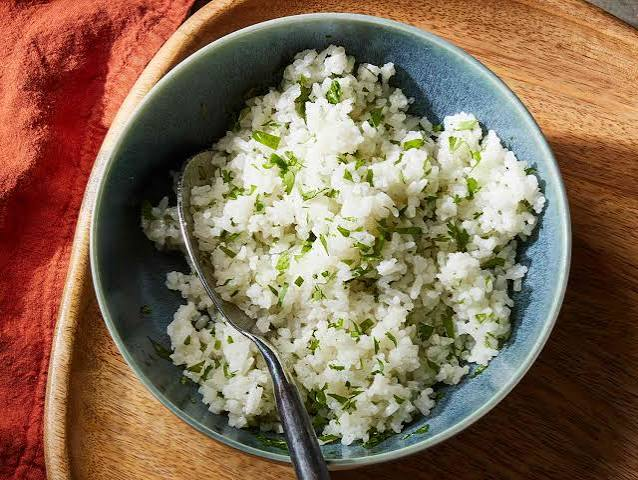
Fresh aromatics can significantly enhance the final flavor. Ginger, garlic, lime leaves, pandan leaves, scallions, or a small amount of lime zest introduce subtle complexity while preserving the clean coconut taste. These additions create a more fragrant dish that resembles the coconut rice served in quality restaurants and traditional family kitchens.
Common Mistakes That Affect Coconut Milk Rice
One of the most frequent mistakes is using sweetened coconut milk, which can make the finished rice taste overly sugary and unsuitable for savory meals. Unsweetened coconut milk allows the natural coconut flavor to shine while maintaining better balance with herbs, spices, and accompanying dishes. Reading ingredient labels carefully helps ensure the correct product is selected.
Cooking over excessively high heat can also create problems. Coconut milk contains natural fats that may separate or burn if exposed to intense temperatures for prolonged periods. Gentle simmering protects the creamy consistency while allowing the rice to cook evenly from the outside to the center.
Neglecting the resting period after cooking is another common oversight. Freshly cooked rice continues absorbing moisture even after the heat is turned off. Allowing the pot to remain covered for several minutes before fluffing produces lighter, more evenly textured grains and prevents excessive moisture from escaping too quickly.
Delicious Ways to Serve Coconut Milk Rice
Coconut milk rice is remarkably versatile because it complements a wide variety of cuisines and ingredients. It pairs naturally with vegetable curries, lentil dishes, stir-fried vegetables, grilled chicken, roasted seafood, baked salmon, shrimp, tofu, and slow-cooked stews. The mild coconut flavor balances spicy seasonings while adding richness to lighter meals.
The dish also works beautifully with tropical ingredients such as mango, pineapple, avocado, fresh herbs, and citrus. These fresh flavors brighten the creamy rice, creating satisfying meals that feel both comforting and refreshing. Depending on regional traditions, coconut milk rice may appear at casual family dinners, festive holiday gatherings, or elegant restaurant menus.
Many cooks enjoy preparing larger batches because coconut milk rice reheats well when stored properly. Gently warming leftovers with a small splash of water or coconut milk helps restore moisture while preserving the creamy texture, making it a convenient option for meal preparation throughout the week.
Why Coconut Milk Rice Remains a Timeless Favorite
Coconut milk rice continues to be cherished because it combines simplicity with exceptional flavor. Using only a handful of quality ingredients, home cooks can create a dish that feels both comforting and sophisticated. The creamy texture, fragrant aroma, and subtle sweetness make coconut milk rice suitable for countless meals, whether served alongside bold curries, grilled proteins, roasted vegetables, or fresh tropical produce.
Its enduring popularity also reflects its remarkable adaptability across cultures. From Southeast Asian kitchens to Caribbean homes, South Asian celebrations, and African coastal communities, coconut milk rice has become a beloved recipe that connects generations through familiar flavors and traditional cooking techniques. Every region adds its own unique touch while preserving the essence of the dish.
For anyone seeking a flavorful, satisfying, and easy-to-master rice recipe, coconut milk rice remains an outstanding choice. With the right rice, quality coconut milk, gentle cooking methods, and fresh aromatic ingredients, it is possible to create a consistently delicious dish that elevates both everyday meals and special occasions. As interest in global cuisine continues to grow, coconut milk rice stands out as a timeless classic that celebrates the natural richness of coconut while showcasing the comforting appeal of perfectly cooked rice.
