

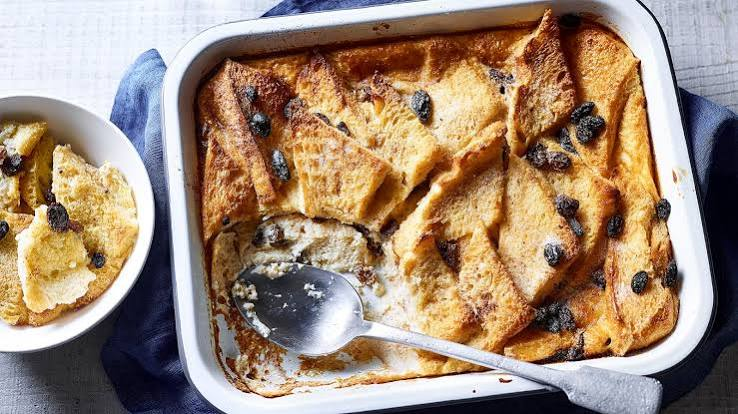
English bread pudding is one of Britain’s most cherished traditional desserts, celebrated for its rich flavor, hearty texture, and remarkable ability to transform simple ingredients into something truly comforting. For generations, families across England have prepared this classic recipe using leftover bread, dried fruit, warm spices, and a lightly sweetened custard. The result is a dense, moist pudding that reflects the resourcefulness of traditional British home cooking while delivering a satisfying dessert that remains popular today.
Unlike many modern desserts that rely on expensive ingredients or elaborate techniques, English bread pudding is built on simplicity. Stale bread, milk, eggs, butter, sugar, raisins, currants, and aromatic spices work together to create a dessert that is both economical and deeply flavorful. Every bite offers a balance of soft bread, juicy dried fruit, and warming spices, making it a favorite during cooler months as well as year-round family gatherings.
Today, English bread pudding continues to enjoy renewed popularity among home bakers who appreciate authentic recipes, sustainable cooking, and classic comfort food. Whether served warm with custard, enjoyed with a cup of tea, or baked as part of a holiday meal, this traditional pudding remains a symbol of British culinary heritage that has stood the test of time.
The History of English Bread Pudding
The origins of English bread pudding date back several centuries, when avoiding food waste was an essential part of everyday life. Bread was considered one of the most valuable household staples, and families developed practical methods to reuse stale loaves rather than discard them. By soaking leftover bread in milk and eggs before baking it with dried fruit and spices, cooks created a nourishing dessert that made the most of available ingredients.
During the Victorian era, bread pudding became firmly established in British households. Recipes varied from region to region, but the basic ingredients remained largely unchanged. Raisins, currants, mixed spice, nutmeg, cinnamon, and butter became defining characteristics of traditional English bread pudding, while local families often added their own subtle variations based on seasonal availability.
The recipe survived changing food trends because it perfectly balanced economy, nutrition, and flavor. Even today, many British families continue to prepare bread pudding using handwritten family recipes that have been passed down through multiple generations, preserving an important part of England’s culinary history.
What Makes English Bread Pudding Unique
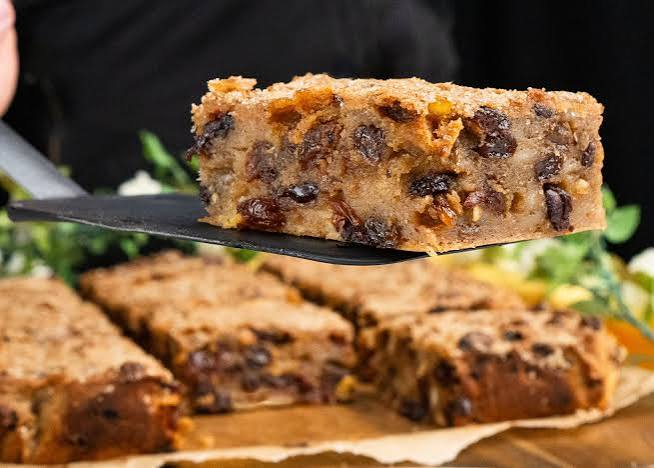
English bread pudding is often recognized by its dense, sliceable texture and generous amount of dried fruit. Unlike lighter custard-style puddings, the traditional English version is more compact because the bread absorbs nearly all of the liquid before baking. The finished pudding holds its shape well while remaining moist inside.
Another defining characteristic is the use of classic British baking spices. Mixed spice, cinnamon, nutmeg, and occasionally allspice create a warm aroma that complements the sweetness of raisins and currants. These familiar flavors give English bread pudding its distinctive homemade taste that many people associate with traditional afternoon tea or family desserts.
The recipe also emphasizes practicality rather than decoration. Instead of elaborate frostings or rich toppings, the pudding relies on balanced flavors and natural ingredients. This understated style reflects the values of traditional British home baking, where quality ingredients and careful preparation matter more than appearance.
Traditional Ingredients Used in English Bread Pudding
Bread forms the foundation of every authentic English bread pudding recipe. Slightly stale white bread, farmhouse bread, sandwich bread, or even leftover bread rolls work particularly well because they absorb the custard mixture efficiently without becoming overly soft. Many experienced bakers intentionally allow fresh bread to dry before preparing the pudding.
The custard mixture typically includes whole milk, fresh eggs, butter, sugar, and vanilla, although vanilla is often used more sparingly than in American recipes. Raisins and currants provide natural sweetness and texture, while mixed spice, cinnamon, and nutmeg contribute the comforting aroma that defines traditional British baking.
Many family recipes also include lemon zest or orange zest to brighten the overall flavor. These citrus notes balance the richness of butter and dried fruit while adding subtle freshness. Quality ingredients remain one of the most important factors in producing a bread pudding with authentic taste and texture.
How English Bread Pudding Is Made
Preparing English bread pudding begins by tearing or cutting stale bread into small pieces before soaking it in warm milk. This allows the bread to soften completely while maintaining enough structure to create the pudding’s characteristic texture. Once softened, the bread is gently combined with beaten eggs, melted butter, sugar, spices, and dried fruit until evenly mixed.
The mixture is transferred into a greased baking dish and spread evenly before baking at a moderate temperature. During baking, the custard sets while the surface develops a lightly golden crust. The inside remains moist and flavorful, with evenly distributed raisins and currants throughout every slice.
After baking, the pudding is usually allowed to cool slightly before serving. Many traditional recipes recommend letting it rest because the texture becomes firmer as it cools, making it easier to slice while allowing the spices and fruit flavors to develop even further.
Traditional Serving Methods and Popular Accompaniments
English bread pudding is incredibly versatile when it comes to serving. Many families enjoy it warm directly from the oven, allowing the rich aroma of butter and spices to fill the kitchen. Others prefer serving it at room temperature, where its dense texture becomes more pronounced and the flavors continue to mature.
Traditional British custard remains one of the most popular accompaniments. Warm vanilla custard complements the rich pudding without overpowering its classic flavors. Some households also enjoy pouring fresh cream over individual portions or serving the pudding alongside a light drizzle of homemade vanilla sauce.
During festive occasions, bread pudding may be served as part of a larger dessert table featuring other traditional British sweets. Its hearty texture and warming spices make it especially suitable for autumn and winter meals, although many families prepare it throughout the year whenever leftover bread is available.
Tips for Baking the Perfect English Bread Pudding
Achieving excellent results begins with choosing the right bread. Bread that has become slightly stale absorbs liquid more evenly, producing the ideal texture. Fresh bread can still be used if it is lightly dried beforehand, preventing the finished pudding from becoming overly soft or soggy.
The soaking stage should never be rushed. Allowing the bread enough time to absorb the milk ensures even moisture throughout the pudding. Thorough mixing also helps distribute the raisins, currants, butter, and spices evenly, creating consistent flavor in every serving.
Careful baking is equally important. Bread pudding should be baked until the center is fully set while remaining moist inside. Overbaking can dry the pudding, while underbaking leaves the custard unset. Allowing the dessert to rest after baking improves slicing and enhances its overall texture.
Nutritional Value and Storage Recommendations
English bread pudding provides a combination of carbohydrates, protein, calcium, and energy from its traditional ingredients. Bread contributes complex carbohydrates, eggs provide protein, and milk supplies calcium. Raisins and currants add natural sugars along with small amounts of dietary fiber and minerals.
Because traditional recipes include butter and sugar, bread pudding is best enjoyed as an occasional dessert within a balanced diet. The exact nutritional content varies depending on ingredient quantities and serving size, but moderate portions allow people to enjoy this classic treat while maintaining overall dietary balance.
Proper storage helps preserve freshness. Once cooled completely, bread pudding should be refrigerated in an airtight container for several days. Many bakers find that the flavors become even richer after resting overnight, as the spices continue blending throughout the pudding.
Why English Bread Pudding Remains Popular Today
The enduring popularity of English bread pudding reflects changing attitudes toward home cooking and sustainability. As more people seek recipes that reduce food waste, bread pudding has become an excellent example of transforming leftover ingredients into a delicious homemade dessert without sacrificing quality or flavor.
Its simplicity also appeals to modern home bakers. The recipe requires only basic pantry ingredients, straightforward preparation, and minimal equipment, making it accessible even for beginners. Families appreciate that it consistently produces satisfying results without requiring advanced baking skills.
Beyond practicality, English bread pudding offers a powerful sense of nostalgia. Many people associate its comforting aroma with childhood memories, family kitchens, and traditional Sunday dinners. This emotional connection has helped preserve the recipe across generations while introducing it to new audiences interested in authentic British cuisine.
Conclusion
English bread pudding continues to represent the very best of traditional British home baking. Its humble origins, practical ingredients, and deeply comforting flavors have allowed it to remain a beloved dessert for centuries. By combining stale bread, creamy custard, butter, dried fruit, and warming spices, this timeless recipe transforms everyday ingredients into a dessert that feels rich, satisfying, and full of history.
Whether prepared using a treasured family recipe or baked for the first time, English bread pudding rewards careful preparation with exceptional flavor and texture. Its versatility, affordability, and connection to Britain’s culinary heritage ensure that it remains a favorite among home bakers around the world. As interest in traditional recipes and sustainable cooking continues to grow, this classic pudding proves that simple ingredients, thoughtful preparation, and time-honored techniques can still create one of the most comforting desserts ever made.
