

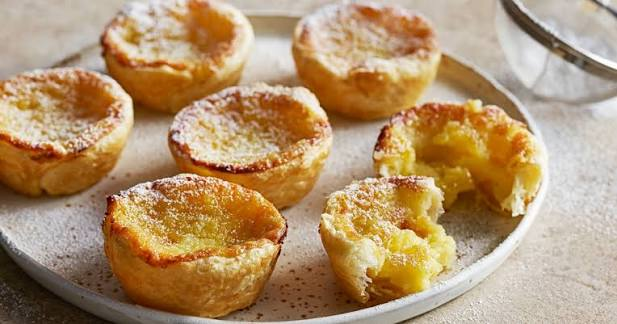
Pastel de nata is one of the world’s most beloved pastries, celebrated for its crisp, flaky pastry shell and silky egg custard filling with its signature caramelized top. Originating in Portugal, this iconic dessert has become a symbol of Portuguese cuisine and culture, attracting millions of food lovers who seek its authentic flavor both in Lisbon and around the globe. Whether enjoyed fresh from a traditional bakery with a cup of coffee or recreated at home, pastel de nata offers a perfect balance of buttery pastry, creamy custard, and lightly caramelized sweetness.
Although it appears simple, creating an authentic pastel de nata requires careful attention to ingredients, baking techniques, and temperature control. The contrast between the delicate layers of puff pastry and the smooth, lightly blistered custard defines its unique character. The high baking temperature is essential, producing the distinctive dark spots on top that contribute subtle caramel notes without burning the delicate filling.
As Portuguese cuisine continues gaining international recognition, searches for authentic pastel de nata recipes, Portuguese custard tarts, traditional bakeries, and baking techniques have grown significantly. Understanding the pastry’s fascinating history, preparation methods, and cultural importance helps both travelers and home bakers appreciate why this small tart has earned worldwide admiration.
What Is Pastel de Nata?
Pastel de nata, often referred to as the Portuguese custard tart, is a small pastry consisting of a flaky puff pastry shell filled with a rich egg custard made from egg yolks, sugar, milk, flour, and aromatic flavorings such as cinnamon and lemon peel. The tarts are baked at extremely high temperatures until the custard develops its characteristic golden surface with dark caramelized spots while remaining smooth and creamy inside.
Unlike many custard desserts, pastel de nata is intentionally baked at temperatures exceeding those used for ordinary pastries. This intense heat rapidly cooks the custard while allowing the puff pastry to rise into dozens of delicate, crisp layers. The result is a dessert with remarkable textural contrast that has become one of Portugal’s culinary signatures.
Traditionally, pastel de nata is served slightly warm and often sprinkled with ground cinnamon, powdered sugar, or both. Many Portuguese enjoy it alongside espresso, making it a popular breakfast pastry, afternoon snack, or dessert following a traditional meal.
The History and Origins of Pastel de Nata
The origins of pastel de nata date back to the early nineteenth century at the Jerónimos Monastery in Lisbon’s Belém district. Monks used large quantities of egg whites for starching religious garments, leaving them with an abundance of egg yolks. Rather than wasting this valuable ingredient, they created rich pastries and desserts, including the custard tart that would eventually become famous worldwide.
Following the Liberal Revolution in Portugal during the 1820s, many monasteries faced financial hardship and closure. To generate income, the monastery began selling its custard tarts to the public. Shortly afterward, the recipe was passed to a nearby sugar refinery, whose owners established a bakery dedicated to preserving the original recipe. This bakery continues operating today, drawing visitors from around the world eager to taste the historic pastry.
Although numerous bakeries throughout Portugal now produce exceptional pastel de nata, the original recipe from Belém remains closely guarded. Only a select group of pastry chefs reportedly knows the exact formula, contributing to the enduring mystery and prestige surrounding Portugal’s most iconic pastry.
The Ingredients Behind Authentic Flavor
Authentic pastel de nata depends on high-quality ingredients prepared with precision. Puff pastry forms the crisp outer shell, creating dozens of buttery layers that remain light despite supporting the rich custard filling. Professional bakeries often prepare laminated pastry from scratch, although carefully selected ready-made puff pastry can also produce excellent results.
The custard combines milk, sugar, egg yolks, flour, lemon peel, and cinnamon. Egg yolks create the signature golden color and creamy texture, while flour provides gentle stability without making the filling heavy. Lemon peel contributes subtle citrus freshness that balances the richness, and cinnamon adds warmth without dominating the overall flavor profile.
Because the ingredient list is relatively short, freshness matters considerably. Premium butter, fresh eggs, whole milk, and fragrant spices all influence the final result. Traditional Portuguese bakers emphasize ingredient quality just as much as technical skill, believing that authentic flavor begins with exceptional raw materials.
How Pastel de Nata Is Traditionally Made
The preparation process begins by rolling puff pastry into tight spirals before pressing individual portions into small tart molds. This technique creates concentric layers that expand upward during baking, forming the pastry’s distinctive crisp structure. The shells are carefully shaped to remain thin while providing enough support for the custard filling.
The custard is prepared separately by combining milk with a flour mixture before incorporating a hot sugar syrup infused with lemon peel and cinnamon. Egg yolks are added only after the mixture cools slightly to prevent curdling. This careful sequence produces a smooth custard capable of withstanding extremely high baking temperatures.
The filled pastry shells are baked in very hot ovens, often exceeding 250 degrees Celsius or 480 degrees Fahrenheit. This intense heat rapidly caramelizes the custard surface while allowing the pastry to become exceptionally crisp. The characteristic dark spots that develop across the top are considered a hallmark of authentic pastel de nata rather than signs of overbaking.
Why High Heat Is Essential for Authentic Results
One of the defining characteristics of pastel de nata is its beautifully blistered top. Achieving this appearance requires temperatures significantly higher than those used for most custard desserts. The intense heat caramelizes sugars naturally while creating subtle roasted flavors that complement the creamy filling and buttery pastry.
Lower baking temperatures often produce pale custard lacking the complexity associated with authentic Portuguese tarts. While the custard may still be fully cooked, it misses the delicate bitterness and visual appeal created by rapid caramelization. Professional Portuguese bakeries rely on specialized ovens capable of maintaining extremely high temperatures throughout the baking process.
The high heat also affects the pastry itself. Steam generated within the laminated dough separates the butter layers, creating exceptional flakiness. Simultaneously, the custard sets quickly enough to remain smooth and creamy without becoming grainy or overcooked, producing the ideal balance of crisp pastry and silky filling.
Regional Traditions and Modern Variations
Although pastel de nata remains deeply rooted in Portuguese culinary tradition, modern pastry chefs have introduced creative interpretations while respecting the original concept. Chocolate, coffee, matcha, pistachio, and seasonal fruit variations appear in contemporary bakeries worldwide, offering new flavor experiences while preserving the classic pastry shell and custard structure.
Throughout Portugal, small differences exist in sweetness, spice levels, pastry thickness, and caramelization. Some bakeries produce darker tops with more pronounced caramel notes, while others emphasize a lighter, creamier custard. These subtle regional preferences contribute to the diversity of Portuguese baking without altering the pastry’s essential identity.
International popularity has encouraged bakeries across Europe, North America, Asia, and Australia to offer pastel de nata alongside local pastries. While adaptations sometimes reflect regional tastes, the authentic Portuguese version continues serving as the benchmark against which all others are measured.
How to Serve and Enjoy Pastel de Nata
Pastel de nata is traditionally served warm, allowing the pastry to remain crisp while the custard stays smooth and velvety. Many Portuguese lightly dust each tart with ground cinnamon or powdered sugar immediately before serving. These additions enhance rather than overpower the delicate balance of flavors already present in the pastry.
Coffee remains the classic accompaniment, particularly a strong Portuguese espresso. The slight bitterness of the coffee complements the sweet custard while highlighting the pastry’s buttery richness. Some people also enjoy pastel de nata with tea, dessert wine, or milk depending on the time of day and personal preference.
Freshly baked tarts provide the finest eating experience because the pastry gradually softens as it absorbs moisture from the custard. Although leftovers remain enjoyable, many pastry enthusiasts recommend consuming pastel de nata within hours of baking to fully appreciate its signature contrast between crisp pastry and creamy filling.
Nutritional Value and Storage Tips
Pastel de nata is an indulgent pastry containing carbohydrates from puff pastry, protein from eggs and milk, and fats from butter and egg yolks. While it is best enjoyed as an occasional treat, its relatively small serving size makes it easy to incorporate into a balanced diet when consumed in moderation.
Proper storage helps preserve quality, although fresh consumption remains ideal. Cooled tarts should be stored in an airtight container at room temperature for short periods or refrigerated if kept longer. Reheating briefly in a hot oven restores much of the pastry’s crispness while gently warming the custard without overcooking it.
Freezing is possible but may slightly affect the pastry’s delicate texture. If frozen, gradual thawing followed by reheating in the oven generally produces better results than microwave heating, which can soften the pastry and reduce its characteristic flakiness.

Why Pastel de Nata Remains a Global Favorite
Pastel de nata continues captivating pastry lovers because it represents the perfect combination of craftsmanship, history, and flavor. Its flaky pastry, silky custard, and beautifully caramelized top create a dessert that feels both comforting and refined. Unlike overly elaborate pastries, it demonstrates how a few carefully selected ingredients can produce extraordinary results when prepared with skill and tradition.
Its growing international popularity reflects broader appreciation for authentic regional cuisine. Travelers visiting Portugal frequently place pastel de nata among their must-try foods, while home bakers challenge themselves to recreate its distinctive texture and appearance. The pastry has become an ambassador for Portuguese gastronomy, introducing millions of people to the country’s rich culinary heritage.
As traditional recipes continue passing from one generation to the next while inspiring creative modern interpretations, pastel de nata remains one of the world’s finest pastries. Whether enjoyed at a historic Lisbon bakery, a neighborhood Portuguese café, or freshly baked at home, this iconic custard tart offers a timeless taste of Portugal’s baking tradition and demonstrates why simple ingredients, careful technique, and centuries of craftsmanship continue to create unforgettable desserts.
