

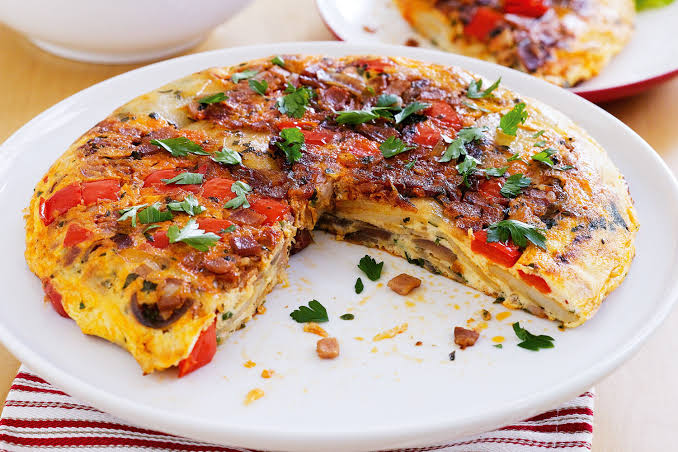
Spanish tortilla, also known as tortilla española or tortilla de patatas, is one of Spain’s most famous and beloved dishes. Simple yet incredibly satisfying, it is made primarily with eggs, potatoes, olive oil, and, depending on regional preference, onions. Despite using only a handful of ingredients, Spanish tortilla has earned worldwide recognition for its rich flavor, soft texture, and remarkable versatility. It is enjoyed as breakfast, lunch, dinner, tapas, or even a quick snack, making it a true staple of Spanish cuisine.
The beauty of Spanish tortilla lies in its balance of simplicity and technique. Every ingredient plays an important role, and the cooking method determines whether the tortilla has a creamy center, a fully cooked interior, or a delicate golden crust. Across Spain, families proudly pass down their own recipes, while restaurants and tapas bars often consider their version a signature dish.
As interest in Mediterranean cooking continues to grow, more people are searching for authentic Spanish tortilla recipes, cooking tips, ingredient variations, and serving ideas. Learning the history, preparation methods, and cultural importance of tortilla española helps both home cooks and food enthusiasts appreciate why this humble potato omelette has become one of Spain’s greatest culinary treasures.
What Is Spanish Tortilla?
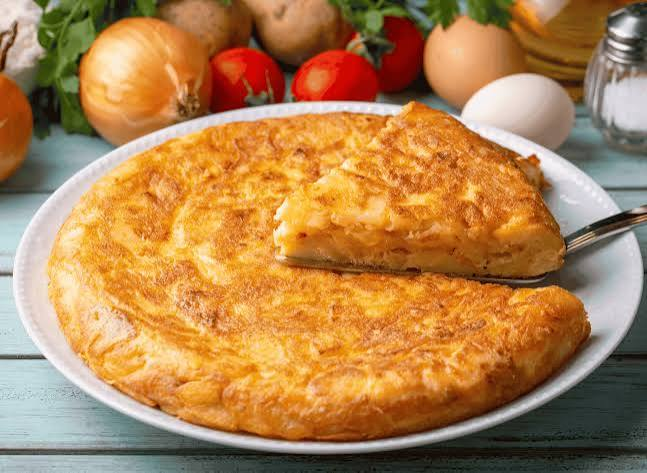
Spanish tortilla is a thick potato omelette made by gently cooking sliced potatoes in olive oil before combining them with beaten eggs and cooking the mixture into a round, golden cake. Unlike the thin French omelette, Spanish tortilla is substantial, hearty, and designed to be sliced into wedges. It can be served warm, at room temperature, or even cold, making it one of the most versatile dishes in Spanish cooking.
Although the recipe appears simple, achieving the perfect Spanish tortilla requires careful attention to texture. The potatoes should become tender without browning excessively, while the eggs should bind the ingredients together without becoming dry. Many cooks aim for a slightly creamy center that remains moist after cooking.
Spanish tortilla is often confused with Mexican tortillas, but the two foods are entirely different. In Spain, the word “tortilla” refers to an egg-based dish, whereas in Mexico it describes a flatbread made from corn or wheat flour. Understanding this distinction helps avoid confusion when exploring Spanish cuisine.
The History and Origins of Tortilla Española
The exact origin of Spanish tortilla remains debated among food historians, but most evidence suggests the dish developed during the eighteenth and nineteenth centuries as potatoes became widely cultivated throughout Spain. Potatoes, originally brought from the Americas, gradually became an affordable and nutritious ingredient that transformed everyday cooking.
Several historical accounts connect the creation of tortilla española with rural communities seeking economical meals that could feed large families. Eggs and potatoes were inexpensive, widely available, and highly filling, making them ideal ingredients for farmers and laborers. Over time, the dish spread across Spain, with each region adapting the recipe according to local preferences.
Today, Spanish tortilla represents far more than a practical meal. It has become a national symbol of Spanish gastronomy, appearing in homes, cafés, tapas bars, restaurants, and festivals throughout the country. Whether enjoyed in Madrid, Barcelona, Seville, Valencia, or small rural villages, tortilla española remains one of Spain’s most recognizable comfort foods.
Traditional Ingredients That Define Authentic Flavor
Authentic Spanish tortilla depends on a short list of quality ingredients. Potatoes provide the foundation of the dish, while fresh eggs create its structure and creamy texture. Extra virgin olive oil is essential, as it gently cooks the potatoes while contributing rich Mediterranean flavor that cannot easily be replicated with other cooking oils.
The inclusion of onions has become one of Spain’s most famous culinary debates. Many cooks insist that sweet onions enhance the tortilla by adding moisture and natural sweetness, while others believe a traditional tortilla should contain only potatoes and eggs. Both versions are considered authentic depending on regional traditions and family recipes.
Seasoning remains intentionally simple. Salt is the primary seasoning because the natural flavors of potatoes, eggs, and olive oil should remain prominent. Some modern recipes incorporate herbs, peppers, cheese, mushrooms, spinach, or chorizo, but classic tortilla española relies on minimal ingredients prepared with excellent technique.
How Spanish Tortilla Is Traditionally Prepared
Preparing Spanish tortilla begins with peeling and slicing potatoes into thin, even pieces. The potatoes are gently cooked in abundant olive oil over moderate heat rather than deep-fried. This slow cooking softens the potatoes while preserving their delicate texture and preventing excessive browning.
Once the potatoes become tender, they are drained and mixed with beaten eggs while still warm. If onions are included, they are usually cooked slowly alongside the potatoes until soft and lightly caramelized. Allowing the potatoes to absorb some of the egg mixture before cooking helps create a creamy interior.
The mixture is then poured into a hot frying pan and cooked until the bottom becomes lightly golden. The most recognizable step involves carefully flipping the tortilla onto a plate before sliding it back into the pan to cook the opposite side. This technique creates the classic round shape and evenly cooked exterior associated with authentic Spanish tortilla.
Regional Variations Across Spain
Although the traditional potato and egg recipe remains the standard, regional variations demonstrate the diversity of Spanish cuisine. In northern Spain, particularly in the Basque Country, chefs sometimes prepare tortillas with seafood, cod, peppers, or wild mushrooms. These variations reflect local ingredients while preserving the basic cooking method.
In central and southern Spain, onion remains the most common addition, although preferences vary from household to household. Some families prefer a soft, creamy center, while others cook the tortilla completely through for a firmer texture that is easier to slice and transport.
Modern Spanish restaurants continue experimenting with tortilla by incorporating ingredients such as goat cheese, truffles, roasted vegetables, Iberian ham, or seasonal herbs. These contemporary adaptations highlight culinary creativity while respecting the dish’s traditional roots and fundamental identity.
Why Spanish Tortilla Is a Staple of Tapas Culture
Spanish tortilla occupies a central place in Spain’s famous tapas culture. Throughout the country, bars display large tortillas on countertops, slicing generous portions for customers enjoying wine, beer, or coffee. Its ability to remain delicious at room temperature makes it particularly suitable for casual dining and social gatherings.
Many cafés also serve tortilla inside crusty bread as a sandwich known as a bocadillo de tortilla. This simple combination provides a filling breakfast or lunch that remains popular among students, office workers, and travelers exploring Spanish cities.
Families frequently prepare tortilla for picnics, celebrations, and holidays because it travels well without losing flavor or texture. Its versatility has helped establish it as one of Spain’s most practical and widely enjoyed dishes across every age group and social setting.
Common Mistakes and Tips for Perfect Results
One of the most common mistakes when making Spanish tortilla is cooking the potatoes at excessively high temperatures. Rapid frying creates crispy potatoes rather than the tender, silky texture needed for an authentic tortilla. Gentle cooking in olive oil allows the potatoes to soften evenly while absorbing flavor.
Using cold ingredients can also affect consistency. Fresh eggs should be well beaten before combining with warm potatoes to ensure even distribution throughout the mixture. Allowing the ingredients to rest briefly before cooking encourages better texture and more uniform flavor.
Timing is equally important. Overcooking may produce a dry interior, while undercooking beyond personal preference can leave the center overly liquid. Experienced cooks rely on visual cues and gentle pressure rather than exact cooking times, adjusting according to pan size, ingredient quantity, and desired texture.
Nutritional Value and Serving Suggestions
Spanish tortilla offers a balanced combination of carbohydrates, protein, and healthy fats. Potatoes supply complex carbohydrates and potassium, eggs contribute high-quality protein and essential vitamins, while olive oil provides heart-healthy monounsaturated fats commonly associated with the Mediterranean diet.
The dish can be served in numerous ways depending on the occasion. As a tapas dish, it pairs beautifully with olives, roasted peppers, cured meats, fresh bread, and marinated vegetables. For a complete meal, it complements green salads, grilled vegetables, or fresh tomatoes dressed with olive oil and sea salt.
Leftover tortilla often tastes even better after resting overnight in the refrigerator, allowing the flavors to develop further. It can be served cold, gently reheated, or enjoyed at room temperature without sacrificing its signature taste and texture, making it an excellent choice for meal preparation and packed lunches.
Why Spanish Tortilla Remains a Timeless Classic
Spanish tortilla continues to earn admiration because it transforms ordinary ingredients into an extraordinary dish through careful technique and respect for tradition. Its combination of potatoes, eggs, and olive oil demonstrates how simple recipes can achieve remarkable flavor when prepared thoughtfully. Whether enjoyed in a village café, a modern tapas restaurant, or a family kitchen, tortilla española reflects the warmth and generosity of Spanish hospitality.
Its enduring popularity also reflects changing food preferences. Home cooks appreciate its affordability, nutritional value, and versatility, while professional chefs continue celebrating its cultural significance and adapting it with regional ingredients. The ongoing discussion over whether onions belong in the recipe only adds to its rich culinary heritage, encouraging passionate conversations across generations.
As Mediterranean cuisine continues to gain global recognition, Spanish tortilla remains one of its finest ambassadors. Rich in history, deeply rooted in Spanish tradition, and endlessly enjoyable, tortilla española proves that exceptional food does not require complicated techniques or expensive ingredients. Instead, it highlights the enduring appeal of quality produce, patient cooking, and recipes that have brought families and communities together for centuries.
