

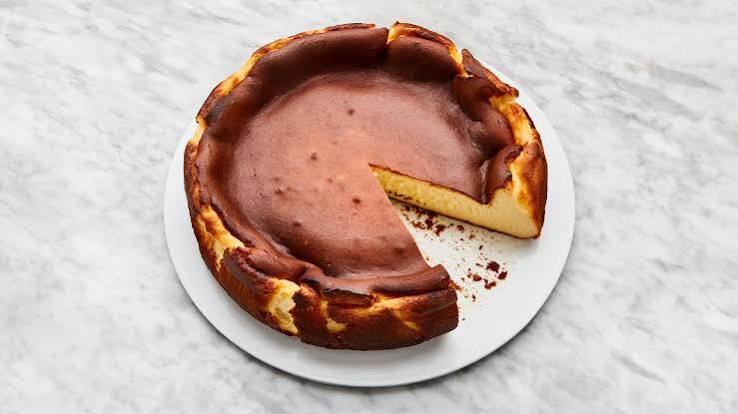
Basque cheesecake has become one of the world’s most celebrated desserts, winning over home bakers, pastry chefs, and dessert lovers with its rich flavor, caramelized exterior, and incredibly creamy center. Unlike traditional cheesecakes that require water baths, graham cracker crusts, and careful baking to prevent cracks, Basque cheesecake embraces imperfection. Its deeply browned top, rustic appearance, and silky texture are exactly what make it special.
Originally created in Spain’s Basque Country, this unique dessert has gained international popularity because it combines simplicity with exceptional taste. A handful of quality ingredients transform into a luxurious cheesecake that feels both elegant and comforting. Whether served warm, chilled, or at room temperature, Basque cheesecake delivers a balanced flavor of cream cheese, caramelized sugar, fresh dairy, and subtle vanilla.
As interest in artisan baking continues to grow, more people are searching for authentic Basque cheesecake recipes, baking techniques, ingredient substitutions, and serving ideas. Understanding the history, science, and methods behind this iconic dessert helps bakers achieve consistently excellent results while appreciating its cultural significance.
What Is Basque Cheesecake?
Basque cheesecake, often called Burnt Basque Cheesecake, is a crustless baked cheesecake known for its dark caramelized top, deeply browned edges, and creamy, custard-like center. Unlike New York cheesecake, which aims for a perfectly pale surface and dense consistency, Basque cheesecake intentionally bakes at a much higher temperature to create a beautifully burnt exterior without actually tasting burnt. The caramelization adds complexity, bringing notes of toasted sugar and subtle bitterness that balance the rich cream cheese filling.
The dessert originated in San Sebastián, a city in Spain’s Basque Country renowned for its exceptional culinary traditions. It quickly became one of the region’s signature desserts before spreading to bakeries and restaurants around the world. Its rustic appearance reflects its philosophy: flavor matters more than perfection. Cracks, uneven edges, and a dark surface are celebrated rather than avoided.
Modern Basque cheesecake recipes remain remarkably simple. Cream cheese, heavy cream, eggs, sugar, flour, and vanilla form the foundation, although some bakers experiment with citrus zest, honey, chocolate, coffee, or local cheeses to create distinctive variations. Despite these creative adaptations, the original style continues to be admired for its clean, creamy flavor and luxurious texture.
The History and Origins of Basque Cheesecake
The story of Basque cheesecake begins at La Viña, a well-known restaurant in San Sebastián. During the late twentieth century, chef Santiago Rivera developed the now-famous cheesecake as a simple dessert that emphasized rich dairy flavors rather than decorative presentation. The restaurant continues serving thousands of slices every year, attracting visitors from around the globe who want to experience the authentic version.
San Sebastián has long been recognized as one of Europe’s great culinary destinations. The city is famous for pintxos, seafood, artisan ingredients, and innovative chefs. Within this vibrant food culture, Basque cheesecake emerged as another example of how regional cuisine values quality ingredients and straightforward preparation over unnecessary complexity. The dessert soon became a defining symbol of Basque hospitality and craftsmanship.
International food writers, social media platforms, and celebrity chefs played an important role in expanding its popularity. As photos of its dramatically dark surface spread online, curious bakers discovered that the seemingly burnt appearance produced remarkable flavor. Today, Basque cheesecake appears on menus across Europe, North America, Asia, and beyond, while still honoring its Spanish heritage.
The Ingredients That Create Authentic Flavor
Authentic Basque cheesecake depends on premium ingredients because each component contributes significantly to the final flavor and texture. Full-fat cream cheese provides richness, body, and the signature tangy taste. Heavy cream softens the filling, creating the silky consistency that distinguishes Basque cheesecake from denser cheesecake varieties. Fresh eggs bind everything together while adding structure and a luxurious mouthfeel.
Granulated sugar serves two important purposes. Beyond sweetness, it caramelizes under high heat, helping create the dark golden top that defines the dessert. Vanilla extract enhances the dairy flavors without overwhelming them, while a small amount of flour stabilizes the batter and reduces the risk of separation during baking. Some traditional recipes omit flour entirely, relying instead on careful mixing and baking techniques.
Ingredient quality significantly influences the final result. High-fat dairy products produce smoother texture, richer flavor, and better caramelization. Room-temperature ingredients blend more evenly, minimizing lumps and preventing overmixing. Since Basque cheesecake contains relatively few ingredients, every element matters, making freshness and quality essential for achieving bakery-style results.
How Basque Cheesecake Is Made
The preparation process is surprisingly straightforward, making Basque cheesecake accessible even to beginner bakers. The cream cheese is first softened and blended until smooth before sugar is incorporated gradually. Eggs are added individually to maintain a smooth batter, followed by heavy cream, vanilla, and flour. Gentle mixing helps preserve the creamy consistency without incorporating excessive air.
Unlike conventional cheesecakes, Basque cheesecake is baked at a very high temperature, often between 400°F and 450°F (approximately 200°C to 230°C). This intense heat rapidly caramelizes the surface while keeping the center soft and slightly jiggly. Parchment paper is intentionally crumpled before lining the baking pan, creating the rustic folds and uneven edges associated with the dessert’s distinctive appearance.
Cooling plays a crucial role in texture development. Fresh from the oven, the cheesecake appears underbaked in the center, but residual heat continues cooking the filling. Some people prefer serving it slightly warm for a molten texture, while others refrigerate it for several hours to develop a firmer yet still creamy consistency. Both serving styles showcase different qualities of the dessert.
Why the Burnt Top Is Essential
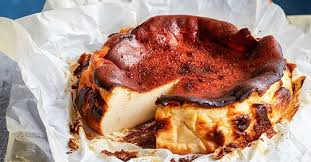
One of the biggest misconceptions surrounding Basque cheesecake is that the dark surface represents overbaking. In reality, the burnt appearance is intentional and carefully controlled. High heat caramelizes the sugars and proteins through the Maillard reaction, creating layers of toasted, nutty, and slightly bitter flavors that complement the sweet, creamy interior.
The caramelized crust also provides textural contrast. As the knife cuts through the thin, browned exterior into the velvety center, every bite combines delicate crispness with smooth richness. This balance contributes significantly to the dessert’s growing popularity among professional pastry chefs and home bakers alike.
The color of the top may vary depending on oven performance, sugar content, and baking time, but authentic Basque cheesecake should display deep golden brown to dark mahogany tones rather than a pale surface. The characteristic appearance signals proper caramelization rather than burning in the unpleasant sense of the word.
Common Baking Mistakes and How to Avoid Them
Although Basque cheesecake is more forgiving than traditional cheesecakes, several common mistakes can affect the final result. Cold ingredients often produce lumpy batter that bakes unevenly. Allowing cream cheese, eggs, and heavy cream to reach room temperature creates a smoother mixture with more consistent texture throughout the cheesecake.
Overmixing introduces excessive air, which may cause the cheesecake to rise dramatically before collapsing too much during cooling. Gentle mixing keeps the batter stable while preserving the signature creamy interior. Bakers should also avoid opening the oven frequently, as sudden temperature fluctuations may interfere with even caramelization.
Another common issue involves removing the cheesecake too late. Because residual heat continues cooking the filling, the center should still have a noticeable wobble when taken from the oven. Refrigerating the dessert immediately after baking can also affect texture. Allowing it to cool gradually before chilling helps maintain the smooth, custard-like consistency that defines authentic Basque cheesecake.
Delicious Variations and Serving Ideas
While the classic Basque cheesecake remains the most popular version, creative adaptations continue to emerge in bakeries worldwide. Chocolate Basque cheesecake incorporates premium cocoa or melted dark chocolate for added richness, while matcha versions offer earthy complexity that pairs beautifully with the caramelized surface. Coffee-infused recipes create subtle roasted notes that complement the burnt top naturally.
Seasonal ingredients also work exceptionally well with the cheesecake’s creamy base. Fresh berries, roasted figs, citrus zest, cherries, peaches, and caramelized apples introduce natural sweetness and brightness without overshadowing the original flavor. Some pastry chefs use local cheeses alongside cream cheese to create regional interpretations that reflect local dairy traditions.
Serving temperature significantly influences the eating experience. Warm slices emphasize the molten center, refrigerated slices offer firmer texture, and room-temperature servings highlight the balance between creaminess and caramelized flavor. Fresh fruit, lightly whipped cream, espresso, dessert wine, or premium coffee all complement Basque cheesecake beautifully without overwhelming its delicate richness.
Nutritional Value and Storage Tips
Basque cheesecake is an indulgent dessert rich in dairy, protein, and healthy fats from cream cheese, eggs, and heavy cream. While it contains significant calories and sugar, moderate portions can fit comfortably into a balanced diet when enjoyed occasionally. The dessert’s high-quality dairy ingredients also contribute calcium and protein, making it more satisfying than many lighter desserts that rely heavily on refined carbohydrates.
Proper storage preserves both flavor and texture. Once fully cooled, Basque cheesecake should be refrigerated in an airtight container or wrapped carefully to prevent it from absorbing refrigerator odors. It generally maintains excellent quality for several days, with many bakers believing the flavor actually improves after resting overnight as the ingredients fully meld together.
Freezing is also possible when longer storage is needed. Individual slices wrapped securely can maintain their quality for several weeks. Gentle thawing in the refrigerator helps preserve the creamy consistency while minimizing moisture loss. Avoid repeated freezing and thawing, as this may alter the dessert’s smooth texture.
Why Basque Cheesecake Remains a Global Favorite
Basque cheesecake continues capturing attention because it combines remarkable flavor with approachable preparation. Home bakers appreciate that it requires no crust, water bath, or elaborate decorating techniques, while experienced pastry chefs value its sophisticated balance of caramelized sweetness and creamy richness. The dessert proves that exceptional baking often comes from mastering simple ingredients rather than relying on complexity.
Its popularity also reflects changing food preferences. Many consumers now seek authentic recipes with cultural heritage, premium ingredients, and handmade appeal. Basque cheesecake satisfies these expectations while remaining versatile enough for casual family dinners, elegant celebrations, cafés, and fine dining restaurants. Its rustic appearance feels genuine, inviting, and refreshingly free from unnecessary perfection.
As baking trends continue evolving, Basque cheesecake has secured its place as a modern classic with deep traditional roots. Its Spanish origin, unforgettable texture, rich flavor, and forgiving baking process ensure it will remain one of the world’s most beloved cheesecakes for years to come. Whether prepared according to the original recipe or thoughtfully adapted with seasonal flavors, Basque cheesecake demonstrates that outstanding desserts are built on quality ingredients, careful technique, and an appreciation for timeless culinary traditions.
