

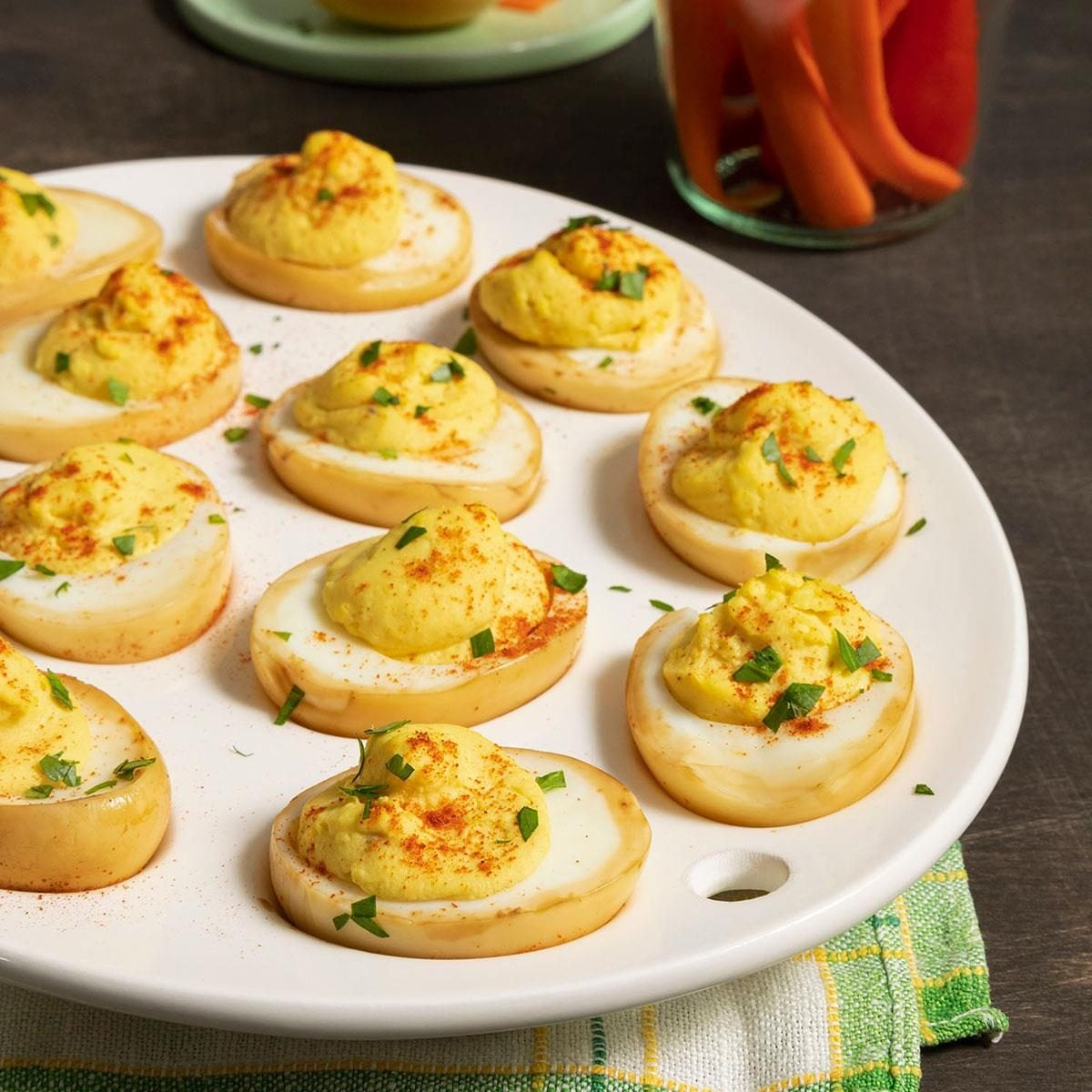
Deviled eggs are one of the most beloved appetizers in the culinary world. Found at family gatherings, holiday dinners, picnics, potlucks, and elegant parties, these bite-sized treats have remained popular for generations. Their creamy filling, rich flavor, and endless customization options make them a favorite among home cooks and professional chefs alike.
Whether served as a simple snack or dressed up for special occasions, deviled eggs offer the perfect balance of taste, texture, and convenience. They are easy to prepare, affordable, and suitable for a wide range of events. While the classic recipe remains a timeless favorite, modern variations have introduced exciting ingredients and creative presentations that keep this traditional dish fresh and appealing.
In this comprehensive guide, we’ll explore everything you need to know about deviled eggs, including their history, nutritional benefits, preparation techniques, popular variations, serving ideas, and expert tips for creating the perfect batch every time.
What Are Deviled Eggs?
Deviled egg are hard-boiled eggs that have been peeled, sliced in half lengthwise, and filled with a creamy mixture made primarily from the cooked yolks. The yolks are typically mashed and combined with ingredients such as mayonnaise, mustard, vinegar, salt, and pepper before being spooned or piped back into the egg white halves.
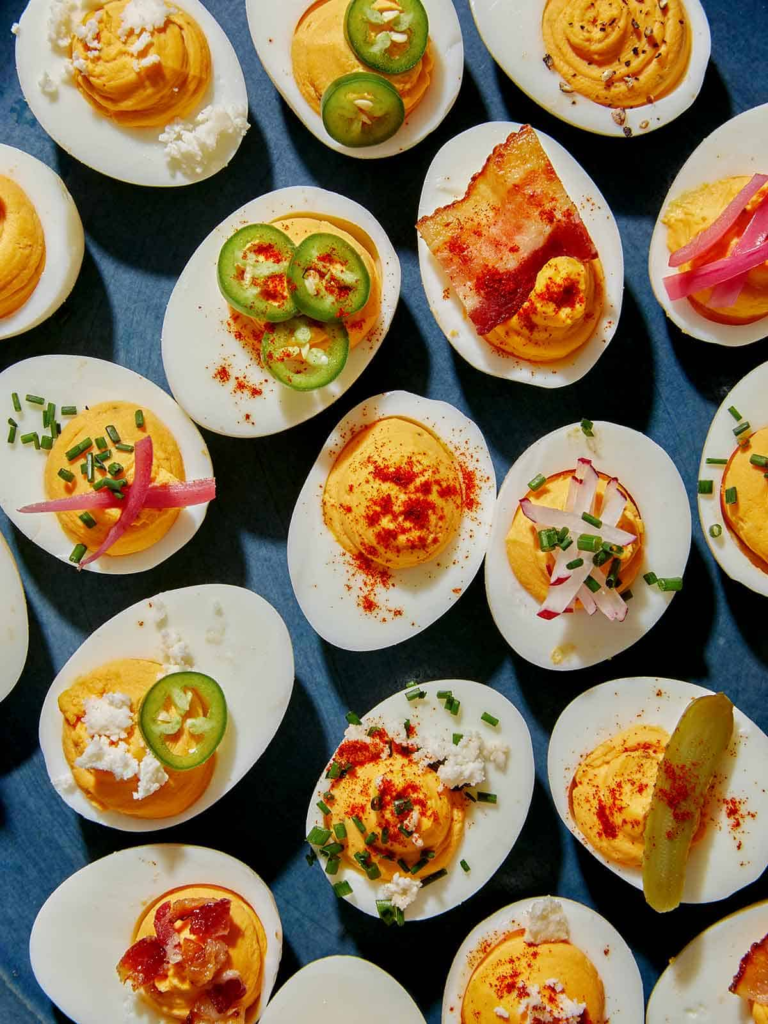
The finished eggs are often garnished with paprika, herbs, bacon bits, or other flavorful toppings.
The term “deviled” refers to foods prepared with spicy or zesty seasonings. Although modern deviled egg are usually mild, the name has remained associated with the dish for centuries.
The History of Deviled Eggs
The concept of stuffed eggs dates back to ancient Rome. Historical records indicate that Romans boiled eggs and seasoned them with various spices before serving them as appetizers.
During the Middle Ages, stuffed egg recipes became popular throughout Europe. Cooks filled boiled eggs with mixtures containing herbs, cheese, spices, and other ingredients. By the 18th century, the term “deviled” began appearing in culinary literature to describe spicy foods.
In the United States, deviled egg gained widespread popularity during the 19th and 20th centuries. They became a staple at social gatherings due to their affordability and ease of preparation. Today, deviled egg remain one of the most iconic appetizers in American cuisine.
Why Deviled Eggs Are So Popular
Several factors contribute to the enduring popularity of deviled egg.
Easy to Make
Deviled egg require only a few ingredients and basic kitchen skills.
Budget-Friendly
Eggs are relatively inexpensive, making deviled egg an economical option for feeding large groups.
Highly Customizable
The filling can be adapted with countless flavor combinations.
Suitable for Many Occasions
They fit equally well at casual picnics and formal celebrations.
Protein-Rich
Deviled egg provide a satisfying source of protein while remaining relatively low in carbohydrates.
Nutritional Benefits of Deviled Eggs
Although often considered party food, deviled egg can be surprisingly nutritious.
High in Protein
Eggs are an excellent source of complete protein, containing all essential amino acids needed by the body.
Rich in Vitamins
Eggs provide important nutrients including:
- Vitamin A
- Vitamin D
- Vitamin B12
- Folate
- Riboflavin
Healthy Fats
Egg yolks contain healthy fats that support various bodily functions.
Low in Carbohydrates
Deviled egg are naturally low-carb, making them suitable for ketogenic and low-carb diets.
Satisfying Snack
The combination of protein and fat helps promote fullness and satiety.
Essential Ingredients for Classic Deviled Eggs
The traditional recipe relies on a few simple ingredients.
Hard-Boiled Eggs
The foundation of every deviled egg recipe.
Mayonnaise
Provides creaminess and richness.
Mustard
Adds tangy flavor and depth.
Vinegar
Enhances brightness and balances richness.
Salt
Improves overall flavor.
Black Pepper
Adds subtle spice.
Paprika
The classic garnish that provides color and mild flavor.
Classic Deviled Eggs Recipe
Ingredients
- 12 large eggs
- ½ cup mayonnaise
- 2 teaspoons yellow mustard
- 1 teaspoon white vinegar
- Salt to taste
- Black pepper to taste
- Paprika for garnish
Instructions
Step 1: Boil the Eggs
Place eggs in a saucepan and cover with water.
Bring to a boil, then remove from heat and cover.
Allow the eggs to sit for 10–12 minutes.
Step 2: Cool the Eggs
Transfer eggs to an ice bath.
Cool completely before peeling.
Step 3: Peel and Slice
Carefully peel the eggs and cut them in half lengthwise.
Remove the yolks and place them in a bowl.
Step 4: Prepare the Filling
Mash yolks until smooth.
Add:
- Mayonnaise
- Mustard
- Vinegar
- Salt
- Pepper
Mix thoroughly until creamy.
Step 5: Fill the Eggs
Spoon or pipe the mixture into the egg white halves.
Step 6: Garnish
Sprinkle lightly with paprika.
Serve chilled.
Tips for Perfect Hard-Boiled Eggs
The quality of your deviled egg starts with properly cooked eggs.
Use Slightly Older Eggs
Eggs that are about one week old tend to peel more easily.
Don’t Overcook
Overcooked eggs develop a green-gray ring around the yolk.
Ice Bath Is Essential
Immediately cooling eggs helps stop cooking and makes peeling easier.
Peel Carefully
Gently crack the shell and peel under running water if needed.
Secrets to Creamy Deviled Egg Filling
A smooth filling is one of the hallmarks of excellent deviled egg.
Mash Thoroughly
Break down yolks completely before adding wet ingredients.
Use a Fine Strainer
For an ultra-smooth texture, press yolks through a fine mesh sieve.
Add Ingredients Gradually
Adjust consistency by slowly incorporating mayonnaise.
Taste and Adjust
Seasoning should be balanced and flavorful.
Popular Deviled Egg Variations
One reason deviled egg remain so popular is their versatility.
Bacon Deviled Eggs
Crispy bacon adds smoky flavor and crunch.
Ingredients include:
- Bacon bits
- Chives
- Classic filling
Spicy Deviled Eggs
Perfect for those who enjoy heat.
Popular additions:
- Hot sauce
- Cayenne pepper
- Jalapeños
- Sriracha
Avocado Deviled Eggs
Avocado creates a creamy, nutrient-rich filling.
Benefits include:
- Healthy fats
- Fresh flavor
- Vibrant color
Pickle Deviled Eggs
Finely chopped pickles add tanginess and crunch.
Dill pickles are especially popular.
Ranch Deviled Eggs
Ranch seasoning provides a savory twist.
Many people enjoy this variation at parties and barbecues.
Buffalo Deviled Eggs
Inspired by buffalo chicken wings.
Ingredients may include:
- Buffalo sauce
- Blue cheese
- Celery garnish
Smoked Salmon Deviled Eggs
A sophisticated option for brunches and holiday gatherings.
The combination of salmon and eggs creates a luxurious flavor profile.
Healthy Deviled Eggs
Health-conscious cooks can modify traditional recipes.
Greek Yogurt Substitute
Replace some or all mayonnaise with Greek yogurt.
Benefits include:
- More protein
- Fewer calories
- Lighter texture
Reduced-Fat Versions
Use light mayonnaise or yogurt blends.
Extra Vegetables
Incorporate finely chopped:
- Celery
- Bell peppers
- Cucumbers
- Green onions
Avocado-Based Filling
Provides healthy fats while reducing processed ingredients.
Deviled Eggs for Special Diets
Keto-Friendly
Deviled eggs naturally fit ketogenic diets due to their high fat and low carbohydrate content.
Gluten-Free
Traditional deviled eggs contain no gluten ingredients.
Low-Carb
They remain a favorite among low-carb eaters.
Vegetarian
Classic recipes are suitable for vegetarians who consume eggs.
Creative Garnishes
Garnishes add visual appeal and flavor.
Paprika
The traditional choice.
Fresh Herbs
Popular options include:
- Chives
- Parsley
- Dill
- Cilantro
Crumbled Bacon
Adds texture and smoky richness.
Green Onions
Provide freshness and color.
Capers
Offer salty, briny flavor.
Everything Bagel Seasoning
A trendy topping that adds crunch and complexity.
Deviled Eggs for Holidays
Deviled eggs are particularly popular during holiday celebrations.
Easter
Egg-based dishes naturally fit Easter menus.
Thanksgiving
Deviled eggs often appear alongside traditional holiday dishes.
Christmas
They make excellent appetizers before festive meals.
New Year’s Parties
Small, easy-to-eat appetizers are always appreciated at gatherings.
Deviled Eggs for Picnics and Potlucks
Several qualities make deviled eggs ideal for outdoor events.
Portable
Easy to transport using specialized trays.
Crowd-Pleasing
Most guests enjoy them.
Make-Ahead Friendly
Can be prepared in advance.
Affordable
Perfect for feeding large groups.
Common Mistakes to Avoid
Overcooking the Eggs
Leads to rubbery whites and discolored yolks.
Underseasoning
A bland filling can make deviled eggs disappointing.
Using Too Much Mayonnaise
Excess mayonnaise creates a runny filling.
Filling Too Early
For best appearance, fill eggs close to serving time.
Improper Storage
Always refrigerate deviled eggs until ready to serve.
Make-Ahead Tips
Deviled eggs are excellent for advance preparation.
Boil Eggs Ahead
Hard-boiled eggs can be prepared several days in advance.
Store Filling Separately
Keep filling refrigerated until assembly.
Assemble Before Serving
This helps maintain freshness and presentation.
Refrigerate Promptly
Food safety is important when working with eggs.
How to Transport Deviled Eggs
Traveling with deviled eggs can be challenging without proper planning.
Use a Deviled Egg Carrier
Special trays keep eggs secure.
Keep Cold
Use ice packs or insulated containers.
Avoid Direct Sunlight
Warm temperatures can affect food safety.
Pack Carefully
Prevent shifting and tipping during transport.
Fun Presentation Ideas
Elevate your deviled eggs with creative serving methods.
Decorative Platters
Arrange eggs in attractive patterns.
Garnish Variety
Use multiple toppings for visual interest.
Colorful Ingredients
Incorporate vibrant vegetables and herbs.
Piped Filling
Use a piping bag for professional-looking presentation.
Why Deviled Eggs Remain a Timeless Favorite
Food trends come and go, but deviled eggs continue to maintain their popularity.
Their enduring appeal comes from:
- Simplicity
- Affordability
- Versatility
- Rich flavor
- Nostalgia
- Ease of preparation
Whether served at family reunions, weddings, holiday dinners, or casual cookouts, deviled eggs consistently satisfy guests and bring people together.
Frequently Asked Questions
How Long Do Deviled Eggs Last?
Deviled eggs typically remain fresh in the refrigerator for up to two days when stored properly.
Can Deviled Eggs Be Frozen?
Freezing is generally not recommended because the texture may become unpleasant.
What Is the Best Way to Fill Deviled Eggs?
A piping bag creates the most attractive presentation, though a spoon works perfectly well.
Why Are They Called Deviled Eggs?
The term “deviled” historically referred to foods prepared with spicy or zesty seasonings.
Can I Make Deviled Eggs Without Mayonnaise?
Yes. Alternatives include:
- Greek yogurt
- Avocado
- Sour cream
- Hummus
Conclusion
Deviled eggs have earned their reputation as one of the world’s most beloved appetizers. Their creamy texture, rich flavor, and endless versatility make them suitable for nearly every occasion, from casual picnics to elegant holiday celebrations. With simple ingredients and straightforward preparation, they offer an affordable yet impressive dish that consistently delights guests.
Whether you prefer the traditional recipe or enjoy experimenting with creative variations such as bacon, avocado, buffalo sauce, or smoked salmon, deviled eggs provide countless opportunities for customization. Their nutritional benefits, make-ahead convenience, and timeless appeal ensure they remain a staple in kitchens around the world.
By mastering the techniques outlined in this guide, you can create perfectly creamy, beautifully presented deviled eggs that will become a highlight of any gathering. Few appetizers are as satisfying, adaptable, and universally loved as the classic deviled egg.
