

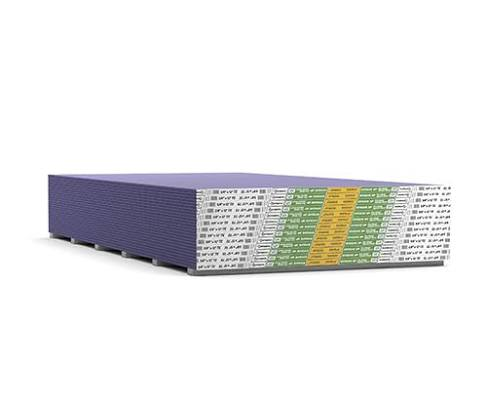
Drywall is one of the most important materials used in modern residential and commercial construction. Among the different drywall thicknesses available, 5/8 drywall is widely recognized for its strength, durability, sound reduction, and fire-resistant properties. Whether you are building a new home, finishing a basement, remodeling an office, or upgrading a garage, understanding when and why to use 5/8-inch drywall can help you make better construction decisions.
Many homeowners are familiar with standard 1/2-inch drywall, but 5/8 drywall serves a different purpose. It is specifically designed for applications where enhanced structural performance, improved fire safety, and better acoustic insulation are required. Because of its thicker gypsum core, it provides superior resistance to sagging and performs exceptionally well on ceilings and long wall spans.
Contractors, architects, and building inspectors frequently recommend 5/8 drywall in projects that must meet local building codes. It is commonly installed in garages, apartment buildings, commercial offices, schools, hospitals, hotels, and mechanical rooms where additional protection is necessary.
This comprehensive guide explains everything you need to know about 5/8 drywall, including its composition, advantages, installation methods, fire ratings, soundproofing capabilities, moisture-resistant options, costs, maintenance, and practical buying advice. By understanding these details, you can confidently choose the right drywall for your next construction or renovation project.
What Is 5/8 Drywall and How Is It Made?
5/8 drywall is a gypsum board measuring five-eighths of an inch thick. Like other drywall products, it consists of a hardened gypsum core enclosed between durable layers of heavy paper facing. The increased thickness provides greater rigidity and strength than thinner drywall panels, making it suitable for demanding structural and safety applications.
The manufacturing process begins with natural or synthetic gypsum that is crushed, processed, and mixed with water and specialized additives. This mixture is spread evenly between sheets of heavy-duty paper before being pressed into large panels. After shaping, the boards are dried in controlled kilns to remove excess moisture and achieve consistent strength and density.
Many manufacturers produce specialized versions of 5/8 drywall that include fiberglass reinforcement, moisture-resistant additives, mold inhibitors, or enhanced fire-resistant materials. These specialty boards are designed for locations with unique environmental or safety requirements while maintaining the same standard thickness.
Why 5/8 Drywall Is Preferred in Residential and Commercial Construction
One of the biggest reasons professionals choose 5/8 drywall is its superior structural performance. The thicker board is less likely to flex, bow, or crack over time, making it an excellent option for ceilings where thinner drywall may sag between framing members. This durability contributes to longer-lasting walls and ceilings that require fewer repairs throughout their lifespan.
Building codes in many areas require 5/8 drywall for specific assemblies because of its fire-resistant properties. Garages attached to homes, shared walls between housing units, utility rooms, and commercial buildings often require thicker drywall to meet fire safety regulations. Using the correct drywall thickness helps improve occupant safety while ensuring code compliance during inspections.
Commercial construction frequently relies on 5/8 drywall because it provides additional strength in high-traffic environments. Schools, hospitals, office buildings, hotels, and apartment complexes benefit from its durability, allowing walls to withstand daily wear and tear better than thinner drywall products.
Fire Resistance and Building Code Requirements
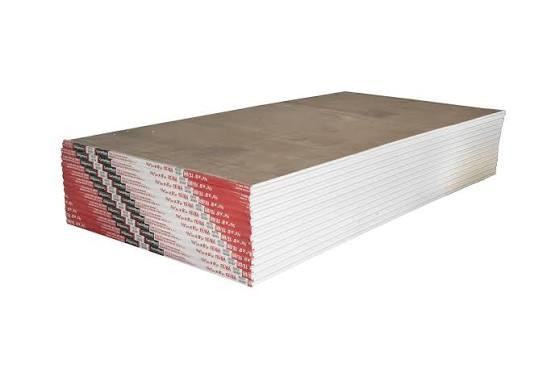
Fire resistance is one of the defining characteristics of 5/8 drywall. Most Type X drywall products are manufactured in this thickness because they contain special glass fibers and additives that improve the board’s ability to withstand high temperatures. During a fire, the gypsum releases chemically bound water as steam, slowing the spread of heat and helping protect structural framing.
Many residential building codes require Type X 5/8 drywall on walls separating an attached garage from living spaces. Similar requirements often apply to mechanical rooms, furnace rooms, and certain structural assemblies designed to limit fire spread between occupied areas. Compliance with these standards improves building safety while reducing potential fire damage.
Commercial buildings rely heavily on fire-rated wall and ceiling systems that incorporate 5/8 drywall. Office buildings, healthcare facilities, schools, warehouses, and multifamily housing often use multiple layers of fire-rated drywall to achieve one-hour or two-hour fire-resistance ratings as specified by approved building assemblies.
Soundproofing Benefits of 5/8 Drywall
Noise reduction has become increasingly important in both residential and commercial construction. The greater mass of 5/8 drywall naturally reduces sound transmission compared to thinner drywall, making it an effective solution for improving indoor comfort. Bedrooms, home theaters, offices, conference rooms, and apartment walls benefit from the improved acoustic performance provided by thicker gypsum board.
Soundproofing performance can be enhanced further when 5/8 drywall is combined with insulation, resilient channels, acoustic sealants, and specialized sound-dampening compounds. Together, these materials reduce airborne noise such as conversations, televisions, music, and household activity traveling through walls and ceilings.
Multifamily buildings frequently specify 5/8 drywall because reducing noise between neighboring units contributes to occupant satisfaction and privacy. Commercial offices also use thicker drywall to create quieter workspaces where meetings, phone calls, and confidential discussions remain less disruptive to surrounding areas.
Common Applications for 5/8 Drywall
One of the most common uses for 5/8 drywall is ceiling installation. Its increased rigidity minimizes sagging over wider framing spans, making it especially suitable for ceilings with joists spaced farther apart. Professional contractors often recommend this thickness whenever ceiling performance is a priority.
Garages represent another common application because attached garages usually require fire-rated wall systems separating vehicle storage from living spaces. Installing 5/8 Type X drywall helps satisfy these fire protection requirements while providing a durable surface capable of resisting everyday impacts and wear.
Commercial properties, schools, healthcare facilities, apartment complexes, hotels, industrial buildings, and institutional structures routinely specify 5/8 drywall throughout large portions of the building. It is also widely used in home theaters, recording studios, utility rooms, mechanical spaces, and basements where enhanced fire resistance or sound control is desired.
Installing 5/8 Drywall Correctly
Installing 5/8 drywall follows many of the same procedures as standard drywall installation, although the increased weight requires additional planning. Full sheets are significantly heavier than 1/2-inch drywall, making them more challenging to lift and position. Professional installers often use drywall lifts for ceilings and larger crews for handling heavy panels safely.
Proper framing preparation is essential before installation begins. Studs and ceiling joists should be straight, securely fastened, and properly spaced according to manufacturer recommendations. Drywall screws designed for thicker gypsum board should penetrate framing adequately without breaking the paper surface, ensuring a secure attachment that resists future movement.
After fastening the panels, joints are taped using paper tape or fiberglass mesh, followed by multiple coats of joint compound. Once dried and sanded smooth, the finished surface can be primed and painted. Careful finishing produces nearly invisible seams while maintaining the fire-rated integrity of the wall assembly when installed according to approved specifications.
Moisture Resistance, Mold Protection, and Specialty Panels
Although standard drywall should not be exposed to excessive moisture, manufacturers produce moisture-resistant 5/8 drywall for bathrooms, laundry rooms, kitchens, basements, and other humid environments. These panels contain water-resistant additives that reduce moisture absorption while protecting the gypsum core from premature deterioration.
Mold-resistant drywall includes specially treated paper facings and moisture-resistant cores that discourage mold growth when installed in areas with occasional humidity. While these products offer additional protection, they are not substitutes for proper waterproofing or ventilation. Preventing long-term water exposure remains essential for maintaining drywall performance.
Specialty 5/8 drywall products also include abuse-resistant, impact-resistant, shaft wall, exterior soffit, and fiberglass-faced panels designed for demanding commercial applications. These engineered products provide enhanced durability for hospitals, schools, correctional facilities, transportation buildings, and industrial environments where standard drywall may not provide adequate performance.
Cost, Maintenance, and Buying Considerations
The price of 5/8 drywall generally exceeds that of thinner drywall because of the additional gypsum material, increased weight, and specialized manufacturing processes used for fire-rated or moisture-resistant products. Despite the higher initial investment, many property owners consider it cost-effective because of its durability, improved safety, and longer service life.
Maintenance requirements are relatively simple once the drywall has been properly installed and painted. Small dents, nail holes, and surface cracks can usually be repaired using joint compound and touch-up paint. More significant damage should be repaired promptly to preserve the wall’s structural integrity and, where applicable, its fire-resistant performance.
When purchasing 5/8 drywall, buyers should consider the specific requirements of their project. Fire-rated Type X panels are appropriate for many code-regulated applications, while moisture-resistant or mold-resistant boards may be better suited for damp environments. Selecting products from reputable manufacturers and following local building codes ensures reliable performance and long-term value.
Conclusion
5/8 drywall has earned its reputation as one of the most dependable building materials available for residential and commercial construction. Its greater thickness provides exceptional strength, reduced sagging, improved sound insulation, and enhanced fire resistance, making it an excellent choice for projects where durability and safety are priorities. From garages and ceilings to apartment buildings and commercial offices, this versatile gypsum board continues to meet the demanding requirements of modern construction.
Understanding the characteristics of 5/8 drywall helps homeowners, builders, and property managers make informed decisions that balance performance, safety, and long-term value. Whether selecting fire-rated Type X panels for code compliance, moisture-resistant boards for humid areas, or standard 5/8 drywall for added structural reliability, choosing the appropriate product contributes to a stronger and more resilient building.
Proper installation remains just as important as selecting the right material. Following manufacturer recommendations, using suitable fasteners, finishing joints correctly, and maintaining the drywall over time all contribute to its long service life. When installed according to professional standards, 5/8 drywall delivers dependable performance for decades while supporting healthier, quieter, and safer indoor environments.
As construction standards continue to emphasize fire safety, acoustic comfort, and structural durability, 5/8 drywall remains a preferred solution across countless building types. Investing in quality materials and proper workmanship not only protects the structure itself but also enhances occupant comfort, increases property value, and provides lasting peace of mind for years to come.
