

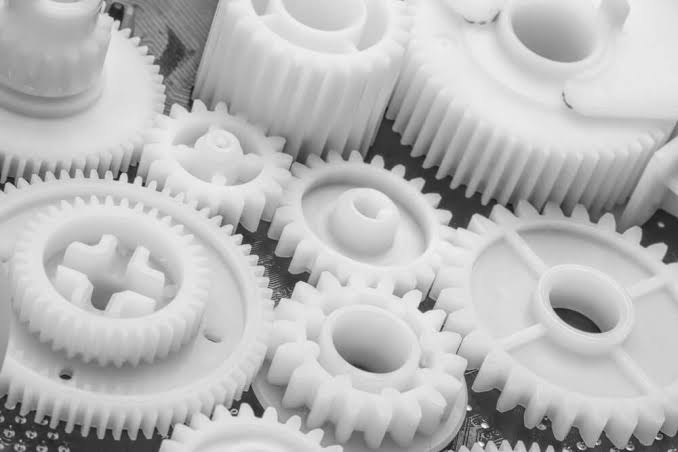
Ultra-High Molecular Weight Polyethylene, commonly known as UHMW plastic or UHMW polyethylene, is one of the most durable and versatile engineering plastics used across modern industries. Its outstanding combination of wear resistance, impact strength, low friction, and chemical resistance makes it an excellent choice for applications where conventional plastics and even some metals fail. From manufacturing equipment and food processing machinery to medical devices and marine components, UHMW plastic has become a trusted material for demanding environments.
Unlike standard polyethylene materials, UHMW plastic contains extremely long molecular chains that provide exceptional mechanical properties. These long polymer chains distribute stress more effectively, allowing the material to withstand repeated impacts, heavy loads, and continuous abrasion without breaking down quickly. As industries increasingly seek lightweight, cost-effective, and maintenance-friendly materials, UHMW plastic continues to gain popularity as a reliable engineering solution.
This comprehensive guide explains everything you need to know about UHMW plastic, including its properties, manufacturing process, applications, advantages, limitations, machining characteristics, maintenance requirements, and how to choose the right grade for your project.
What Is UHMW Plastic?
UHMW plastic stands for Ultra-High Molecular Weight Polyethylene, a specialized thermoplastic belonging to the polyethylene family. What distinguishes UHMW from standard polyethylene is its exceptionally high molecular weight, typically ranging from 3 million to over 10 million grams per mole. This unique molecular structure creates outstanding toughness, durability, and resistance to wear.
The material is widely recognized for its ability to perform under demanding operating conditions. Unlike many engineering plastics, UHMW maintains its strength while offering an extremely low coefficient of friction. This combination makes it ideal for moving components, conveyor systems, sliding surfaces, and machinery parts that experience constant contact and motion. Its lightweight nature also provides an attractive alternative to heavier materials like steel or aluminum in many industrial applications.
Key Properties of UHMW Polyethylene
One of the most valuable characteristics of UHMW plastic is its exceptional abrasion resistance. It can withstand continuous sliding, scraping, and friction far better than many conventional plastics, significantly extending the service life of machine components. This property makes UHMW an excellent material for wear strips, guide rails, liners, and conveyor parts that operate under heavy mechanical stress.
UHMW plastic also offers remarkable impact resistance, even at extremely low temperatures. Unlike brittle plastics that crack under sudden force, UHMW absorbs impact energy effectively without fracturing. In addition, it provides excellent chemical resistance against many acids, alkalis, cleaning agents, and industrial chemicals. Its moisture resistance and non-absorbent surface further contribute to its long-term performance in wet or humid environments.
How UHMW Plastic Is Manufactured
The manufacturing process of UHMW plastic begins with polymerizing ethylene into extremely long molecular chains. Due to its unusually high molecular weight, UHMW cannot be processed using conventional injection molding methods like many other thermoplastics. Instead, manufacturers rely on compression molding, ram extrusion, and specialized sintering techniques to produce sheets, rods, tubes, and custom shapes.
After forming, UHMW products often undergo precision machining to achieve exact dimensions and complex geometries. CNC machining allows manufacturers to produce custom components with tight tolerances while preserving the material’s mechanical properties. This manufacturing flexibility enables UHMW plastic to serve countless industrial applications where customized parts are required.
Common Applications of UHMW Plastic
UHMW plastic serves a broad range of industries because of its durability and reliability. Manufacturing facilities frequently use UHMW components in conveyor systems, chain guides, wear plates, chute liners, sprockets, rollers, and machine guards. Its low-friction surface helps reduce equipment wear while improving operational efficiency and lowering maintenance costs.
Food processing facilities also rely heavily on UHMW because certain grades comply with food safety regulations. Cutting boards, food handling equipment, packaging machinery, and processing guides benefit from its hygienic, non-toxic, and easy-to-clean surface. Beyond industrial settings, UHMW is commonly used in marine equipment, agricultural machinery, mining operations, packaging systems, and recreational products where high wear resistance is essential.
Advantages That Make UHMW Plastic Popular
One of the biggest reasons engineers choose UHMW plastic is its outstanding balance of performance and cost-effectiveness. The material combines excellent durability with relatively low maintenance requirements, allowing businesses to reduce equipment downtime and replacement expenses. Since UHMW naturally resists friction, many applications operate without additional lubrication, simplifying maintenance procedures.
Another significant advantage is its lightweight construction. Compared to metal components, UHMW plastic reduces overall equipment weight while maintaining excellent strength for many applications. The material also dampens noise and vibration, creating quieter machinery and improving workplace comfort. Its corrosion resistance eliminates concerns associated with rust, making it particularly useful in wet, chemical, or outdoor environments.
Limitations and Considerations Before Using UHMW
Despite its many strengths, UHMW plastic is not suitable for every application. One important limitation is its relatively low operating temperature compared to certain high-performance engineering plastics. Prolonged exposure to excessive heat can soften the material and reduce its mechanical performance. Designers should carefully evaluate operating temperatures before selecting UHMW for high-temperature environments.
UHMW also has lower stiffness than many engineering plastics and metals. While it excels under impact loading, it may deform under continuous heavy loads if not properly supported. Bonding UHMW with adhesives can also be challenging because its extremely low surface energy makes adhesion difficult. Mechanical fastening or specialized surface treatments are often required when assembling UHMW components.
Machining and Fabrication of UHMW Plastic
UHMW plastic is highly machinable using conventional woodworking and metalworking equipment. CNC routers, milling machines, lathes, and saws can produce accurate custom parts while maintaining smooth surface finishes. Because UHMW machines cleanly, manufacturers can create intricate components ranging from simple wear strips to highly engineered mechanical assemblies.
During machining, careful attention must be given to thermal expansion and material flexibility. Unlike metals, UHMW may expand slightly during cutting, requiring experienced machinists to account for dimensional stability. Proper cutting speeds, sharp tooling, and adequate workpiece support help achieve consistent precision while minimizing deformation. These characteristics have made UHMW a preferred material for custom fabrication projects across numerous industries.
Choosing the Right UHMW Plastic Grade
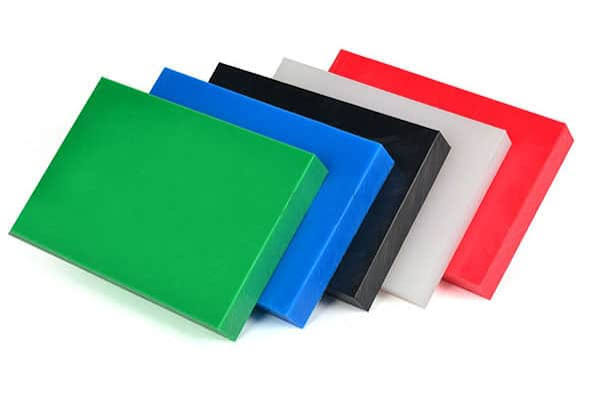
Selecting the appropriate UHMW grade depends on the intended application and operating conditions. Standard natural UHMW offers excellent wear resistance and is widely used in food processing, packaging equipment, and general industrial applications. Black UHMW often contains additives that improve ultraviolet resistance, making it suitable for outdoor environments exposed to sunlight.
Specialized grades include antistatic UHMW for electronic manufacturing, conductive UHMW for applications requiring static dissipation, and filled UHMW formulations designed for enhanced wear characteristics or specific performance requirements. Engineers should consider factors such as load capacity, chemical exposure, temperature range, food safety compliance, moisture levels, and environmental conditions before selecting the most appropriate material grade for long-term performance.
Why UHMW Plastic Continues to Be an Industry Standard
UHMW plastic has established itself as one of the most dependable engineering materials available today because it consistently delivers outstanding durability, reliability, and long service life across demanding industrial environments. Its exceptional wear resistance, impact strength, chemical resistance, and naturally low friction enable manufacturers to improve equipment performance while reducing maintenance costs and operational downtime. These qualities have made UHMW an essential material in manufacturing, food processing, mining, agriculture, transportation, marine operations, and countless other industries.
As engineering continues to evolve toward lightweight, efficient, and sustainable solutions, UHMW polyethylene remains a preferred choice for designers and manufacturers seeking long-lasting performance without excessive maintenance. Although it has certain limitations regarding high-temperature applications and structural stiffness, its overall benefits far outweigh these constraints for many industrial uses. By selecting the proper UHMW grade and ensuring appropriate design considerations, businesses can maximize equipment reliability, increase operational efficiency, and achieve significant long-term value.
