


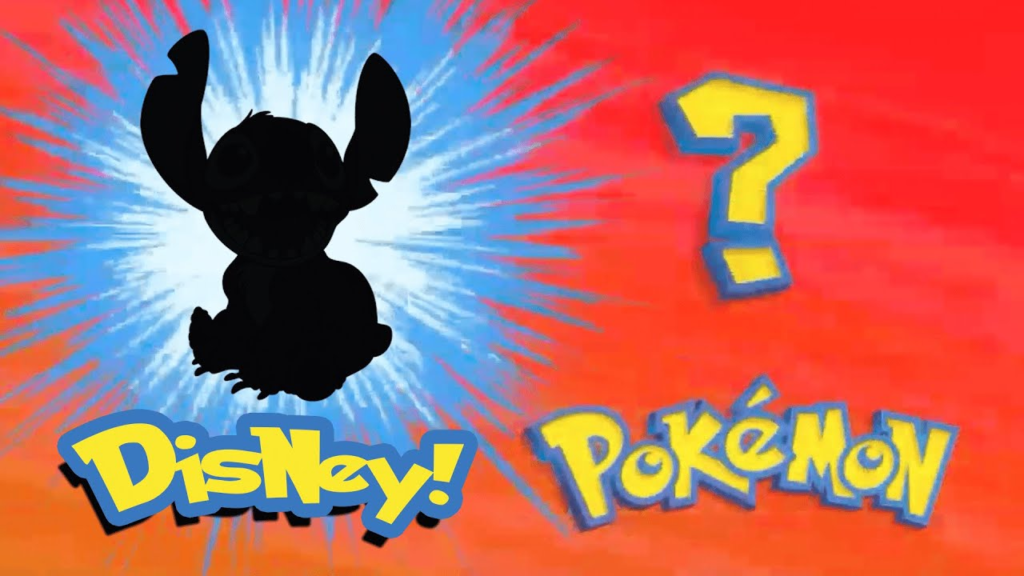
For millions of Pokémon fans around the world, the phrase “Who’s That Pokémon?” instantly brings back memories of watching the Pokémon animated series. The simple yet exciting guessing game became one of the franchise’s most recognizable traditions, challenging viewers to identify a mystery Pokémon shown only as a black silhouette. After a few moments of suspense, the answer was revealed, creating one of the most memorable catchphrases in television history.
Although it began as a fun transition between scenes in the anime, “Who’s That Pokémon?” has grown into a global pop culture phenomenon. Today, it appears in online quizzes, mobile games, social media challenges, educational activities, fan communities, and Pokémon events. Whether someone has followed the franchise since the late 1990s or recently discovered Pokémon through modern games, the guessing challenge remains an entertaining way to test Pokémon knowledge and improve species recognition.
The Origin of Who’s That Pokémon?
“Who’s That Pokémon?” first appeared in the original Pokémon animated television series during the late 1990s. The segment was designed as a short break before or after commercial intervals. Viewers would see the silhouette of an unidentified Pokémon while a narrator asked the famous question. After returning from the break, the silhouette transformed into the full-color Pokémon, revealing the correct answer.
The idea was simple but incredibly effective. It encouraged children and longtime fans to pay close attention to Pokémon designs while making every episode more interactive. As the Pokémon universe continued expanding with new generations and hundreds of additional species, the guessing game became even more exciting because viewers had a growing number of Pokémon to identify. Today, the phrase remains one of the franchise’s most recognizable trademarks.
Why the Game Became So Popular
One reason “Who’s That Pokémon?” became so successful is that it combines curiosity with friendly competition. The silhouette reveals just enough information to encourage guessing while hiding important details that make identification difficult. Players naturally begin analyzing ears, tails, wings, horns, body shape, and other distinctive features before making their final guess.
Another reason for its popularity is its accessibility. Anyone can participate regardless of age or gaming experience. Young children enjoy recognizing their favorite Pokémon, while experienced trainers challenge themselves to identify obscure species introduced in later generations. This universal appeal has helped the guessing game remain relevant across multiple generations of Pokémon fans.
How Who’s That Pokémon Works
The traditional format is straightforward. A Pokémon appears only as a completely black silhouette against a colorful background. Players study the outline carefully and try to identify the Pokémon before the answer is revealed. The challenge becomes increasingly difficult as more Pokémon with similar body shapes are introduced into the franchise.
Modern versions often include additional gameplay elements. Online quizzes may introduce timers, score tracking, multiple-choice answers, or difficulty levels based on Pokémon generations. Some challenges focus only on Legendary Pokémon, Starter Pokémon, Mythical Pokémon, regional forms, or specific Pokémon types. These variations keep the game fresh while helping fans improve their overall knowledge of the Pokémon universe.
Tips for Identifying Pokémon Silhouettes
Recognizing Pokémon silhouettes becomes easier once players learn to focus on unique physical characteristics instead of the entire outline. Features such as ears, tails, wings, claws, horns, antennae, and body proportions often provide valuable clues. Even when two Pokémon share similar shapes, small details usually reveal the correct answer.
Familiarity with Pokémon generations also improves accuracy. Players who spend time exploring the Pokédex, playing Pokémon games, watching the anime, or collecting Pokémon cards naturally become more familiar with different species. As experience grows, identifying silhouettes becomes quicker because players begin recognizing characteristic design patterns associated with particular Pokémon families and evolutionary lines.
The Role of Who’s That Pokémon in the Anime
Within the Pokémon animated series, “Who’s That Pokémon?” served as more than a commercial break. It reinforced learning by encouraging viewers to remember the appearance of each Pokémon featured throughout the show. Children often watched episodes repeatedly, gradually memorizing hundreds of Pokémon species while enjoying the guessing challenge.
As the anime introduced new regions such as Johto, Hoenn, Sinnoh, Unova, Kalos, Alola, Galar, Paldea, and beyond, the guessing game continued evolving alongside the growing Pokédex. Each new generation brought unfamiliar Pokémon, making every episode an opportunity for fans to expand their knowledge while maintaining the nostalgic format that audiences loved.
Online Quizzes and Modern Pokémon Challenges
Today, “Who’s That Pokémon?” extends far beyond television. Numerous websites, educational platforms, fan communities, mobile applications, and social media channels feature interactive Pokémon silhouette quizzes. These digital versions often include hundreds of Pokémon, allowing players to test themselves across every generation from the original Kanto region to the newest releases.
Content creators have also embraced the format by producing daily guessing games, livestream competitions, and video challenges. Many YouTube creators, streamers, and Pokémon influencers invite viewers to identify silhouettes before revealing the answer, recreating the excitement of the original television segment while introducing modern interactive features that encourage community participation.
Educational Benefits of Pokémon Guessing Games
Although primarily designed for entertainment, “Who’s That Pokémon?” also develops useful observation skills. Players learn to examine fine visual details, recognize patterns, and make logical deductions based on limited information. This process encourages concentration, visual memory, and analytical thinking while remaining enjoyable for participants of all ages.
The guessing game also supports memory development by encouraging repeated exposure to Pokémon names, appearances, elemental types, and evolutionary relationships. As players encounter more silhouettes, they naturally improve their recall abilities and become more familiar with the extensive Pokémon roster. This educational aspect contributes to the game’s lasting appeal among children, families, and lifelong fans.
Why Who’s That Pokémon Remains Popular Today
Despite the Pokémon franchise continually introducing new games, regions, mechanics, and characters, “Who’s That Pokémon?” remains one of its most recognizable traditions. Its timeless format requires no complicated rules or advanced gaming skills, making it enjoyable for newcomers while still challenging experienced Pokémon enthusiasts who know hundreds of different species.
Social media has also helped preserve the game’s popularity. Fans regularly share silhouette puzzles, trivia contests, memes, and daily guessing challenges across online communities. Friendly competition encourages players to test their knowledge while introducing newer fans to Pokémon they may not have encountered before. This constant interaction keeps the classic guessing game relevant even decades after its original television debut.
For millions of Pokémon fans around the world, the phrase “Who’s That Pokémon?” instantly brings back memories of watching the Pokémon animated series. The simple yet exciting guessing game became one of the franchise’s most recognizable traditions, challenging viewers to identify a mystery Pokémon shown only as a black silhouette. After a few moments of suspense, the answer was revealed, creating one of the most memorable catchphrases in television history.
Although it began as a fun transition between scenes in the anime, “Who’s That Pokémon?” has grown into a global pop culture phenomenon. Today, it appears in online quizzes, mobile games, social media challenges, educational activities, fan communities, and Pokémon events. Whether someone has followed the franchise since the late 1990s or recently discovered Pokémon through modern games, the guessing challenge remains an entertaining way to test Pokémon knowledge and improve species recognition.
The Origin of Who’s That Pokémon?
“Who’s That Pokémon?” first appeared in the original Pokémon animated television series during the late 1990s. The segment was designed as a short break before or after commercial intervals. Viewers would see the silhouette of an unidentified Pokémon while a narrator asked the famous question. After returning from the break, the silhouette transformed into the full-color Pokémon, revealing the correct answer.
The idea was simple but incredibly effective. It encouraged children and longtime fans to pay close attention to Pokémon designs while making every episode more interactive. As the Pokémon universe continued expanding with new generations and hundreds of additional species, the guessing game became even more exciting because viewers had a growing number of Pokémon to identify. Today, the phrase remains one of the franchise’s most recognizable trademarks.
Why the Game Became So Popular
One reason “Who’s That Pokémon?” became so successful is that it combines curiosity with friendly competition. The silhouette reveals just enough information to encourage guessing while hiding important details that make identification difficult. Players naturally begin analyzing ears, tails, wings, horns, body shape, and other distinctive features before making their final guess.
Another reason for its popularity is its accessibility. Anyone can participate regardless of age or gaming experience. Young children enjoy recognizing their favorite Pokémon, while experienced trainers challenge themselves to identify obscure species introduced in later generations. This universal appeal has helped the guessing game remain relevant across multiple generations of Pokémon fans.
How Who’s That Pokémon Works
The traditional format is straightforward. A Pokémon appears only as a completely black silhouette against a colorful background. Players study the outline carefully and try to identify the Pokémon before the answer is revealed. The challenge becomes increasingly difficult as more Pokémon with similar body shapes are introduced into the franchise.
Modern versions often include additional gameplay elements. Online quizzes may introduce timers, score tracking, multiple-choice answers, or difficulty levels based on Pokémon generations. Some challenges focus only on Legendary Pokémon, Starter Pokémon, Mythical Pokémon, regional forms, or specific Pokémon types. These variations keep the game fresh while helping fans improve their overall knowledge of the Pokémon universe.
Tips for Identifying Pokémon Silhouettes
Recognizing Pokémon silhouettes becomes easier once players learn to focus on unique physical characteristics instead of the entire outline. Features such as ears, tails, wings, claws, horns, antennae, and body proportions often provide valuable clues. Even when two Pokémon share similar shapes, small details usually reveal the correct answer.
Familiarity with Pokémon generations also improves accuracy. Players who spend time exploring the Pokédex, playing Pokémon games, watching the anime, or collecting Pokémon cards naturally become more familiar with different species. As experience grows, identifying silhouettes becomes quicker because players begin recognizing characteristic design patterns associated with particular Pokémon families and evolutionary lines.
The Role of Who’s That Pokémon in the Anime
Within the Pokémon animated series, “Who’s That Pokémon?” served as more than a commercial break. It reinforced learning by encouraging viewers to remember the appearance of each Pokémon featured throughout the show. Children often watched episodes repeatedly, gradually memorizing hundreds of Pokémon species while enjoying the guessing challenge.
As the anime introduced new regions such as Johto, Hoenn, Sinnoh, Unova, Kalos, Alola, Galar, Paldea, and beyond, the guessing game continued evolving alongside the growing Pokédex. Each new generation brought unfamiliar Pokémon, making every episode an opportunity for fans to expand their knowledge while maintaining the nostalgic format that audiences loved.
Online Quizzes and Modern Pokémon Challenges
Today, “Who’s That Pokémon?” extends far beyond television. Numerous websites, educational platforms, fan communities, mobile applications, and social media channels feature interactive Pokémon silhouette quizzes. These digital versions often include hundreds of Pokémon, allowing players to test themselves across every generation from the original Kanto region to the newest releases.
Content creators have also embraced the format by producing daily guessing games, livestream competitions, and video challenges. Many YouTube creators, streamers, and Pokémon influencers invite viewers to identify silhouettes before revealing the answer, recreating the excitement of the original television segment while introducing modern interactive features that encourage community participation.
Educational Benefits of Pokémon Guessing Games
Although primarily designed for entertainment, “Who’s That Pokémon?” also develops useful observation skills. Players learn to examine fine visual details, recognize patterns, and make logical deductions based on limited information. This process encourages concentration, visual memory, and analytical thinking while remaining enjoyable for participants of all ages.
The guessing game also supports memory development by encouraging repeated exposure to Pokémon names, appearances, elemental types, and evolutionary relationships. As players encounter more silhouettes, they naturally improve their recall abilities and become more familiar with the extensive Pokémon roster. This educational aspect contributes to the game’s lasting appeal among children, families, and lifelong fans.
Why Who’s That Pokémon Remains Popular Today
Despite the Pokémon franchise continually introducing new games, regions, mechanics, and characters, “Who’s That Pokémon?” remains one of its most recognizable traditions. Its timeless format requires no complicated rules or advanced gaming skills, making it enjoyable for newcomers while still challenging experienced Pokémon enthusiasts who know hundreds of different species.
Social media has also helped preserve the game’s popularity. Fans regularly share silhouette puzzles, trivia contests, memes, and daily guessing challenges across online communities. Friendly competition encourages players to test their knowledge while introducing newer fans to Pokémon they may not have encountered before. This constant interaction keeps the classic guessing game relevant even decades after its original television debut.
The Lasting Legacy of Who’s That Pokémon
Few features from an animated television series have achieved the lasting cultural impact of “Who’s That Pokémon?” What began as a simple transition between scenes evolved into one of the defining traditions of the Pokémon franchise. Its memorable catchphrase, engaging gameplay, and educational value continue to entertain fans across multiple generations while celebrating the creativity behind Pokémon character design.
Whether experienced through classic anime episodes, online silhouette quizzes, mobile applications, classroom activities, or social media challenges, “Who’s That Pokémon?” continues to inspire curiosity and excitement. As the Pokémon universe grows with new regions and species, this iconic guessing game remains a fun way to learn, compete, and celebrate one of the world’s most successful entertainment franchises.
For millions of Pokémon fans around the world, the phrase “Who’s That Pokémon?” instantly brings back memories of watching the Pokémon animated series. The simple yet exciting guessing game became one of the franchise’s most recognizable traditions, challenging viewers to identify a mystery Pokémon shown only as a black silhouette. After a few moments of suspense, the answer was revealed, creating one of the most memorable catchphrases in television history.
Although it began as a fun transition between scenes in the anime, “Who’s That Pokémon?” has grown into a global pop culture phenomenon. Today, it appears in online quizzes, mobile games, social media challenges, educational activities, fan communities, and Pokémon events. Whether someone has followed the franchise since the late 1990s or recently discovered Pokémon through modern games, the guessing challenge remains an entertaining way to test Pokémon knowledge and improve species recognition.
The Origin of Who’s That Pokémon?
“Who’s That Pokémon?” first appeared in the original Pokémon animated television series during the late 1990s. The segment was designed as a short break before or after commercial intervals. Viewers would see the silhouette of an unidentified Pokémon while a narrator asked the famous question. After returning from the break, the silhouette transformed into the full-color Pokémon, revealing the correct answer.
The idea was simple but incredibly effective. It encouraged children and longtime fans to pay close attention to Pokémon designs while making every episode more interactive. As the Pokémon universe continued expanding with new generations and hundreds of additional species, the guessing game became even more exciting because viewers had a growing number of Pokémon to identify. Today, the phrase remains one of the franchise’s most recognizable trademarks.
Why the Game Became So Popular
One reason “Who’s That Pokémon?” became so successful is that it combines curiosity with friendly competition. The silhouette reveals just enough information to encourage guessing while hiding important details that make identification difficult. Players naturally begin analyzing ears, tails, wings, horns, body shape, and other distinctive features before making their final guess.
Another reason for its popularity is its accessibility. Anyone can participate regardless of age or gaming experience. Young children enjoy recognizing their favorite Pokémon, while experienced trainers challenge themselves to identify obscure species introduced in later generations. This universal appeal has helped the guessing game remain relevant across multiple generations of Pokémon fans.
How Who’s That Pokémon Works
The traditional format is straightforward. A Pokémon appears only as a completely black silhouette against a colorful background. Players study the outline carefully and try to identify the Pokémon before the answer is revealed. The challenge becomes increasingly difficult as more Pokémon with similar body shapes are introduced into the franchise.
Modern versions often include additional gameplay elements. Online quizzes may introduce timers, score tracking, multiple-choice answers, or difficulty levels based on Pokémon generations. Some challenges focus only on Legendary Pokémon, Starter Pokémon, Mythical Pokémon, regional forms, or specific Pokémon types. These variations keep the game fresh while helping fans improve their overall knowledge of the Pokémon universe.
Tips for Identifying Pokémon Silhouettes
Recognizing Pokémon silhouettes becomes easier once players learn to focus on unique physical characteristics instead of the entire outline. Features such as ears, tails, wings, claws, horns, antennae, and body proportions often provide valuable clues. Even when two Pokémon share similar shapes, small details usually reveal the correct answer.
Familiarity with Pokémon generations also improves accuracy. Players who spend time exploring the Pokédex, playing Pokémon games, watching the anime, or collecting Pokémon cards naturally become more familiar with different species. As experience grows, identifying silhouettes becomes quicker because players begin recognizing characteristic design patterns associated with particular Pokémon families and evolutionary lines.
The Role of Who’s That Pokémon in the Anime
Within the Pokémon animated series, “Who’s That Pokémon?” served as more than a commercial break. It reinforced learning by encouraging viewers to remember the appearance of each Pokémon featured throughout the show. Children often watched episodes repeatedly, gradually memorizing hundreds of Pokémon species while enjoying the guessing challenge.
As the anime introduced new regions such as Johto, Hoenn, Sinnoh, Unova, Kalos, Alola, Galar, Paldea, and beyond, the guessing game continued evolving alongside the growing Pokédex. Each new generation brought unfamiliar Pokémon, making every episode an opportunity for fans to expand their knowledge while maintaining the nostalgic format that audiences loved.
Online Quizzes and Modern Pokémon Challenges
Today, “Who’s That Pokémon?” extends far beyond television. Numerous websites, educational platforms, fan communities, mobile applications, and social media channels feature interactive Pokémon silhouette quizzes. These digital versions often include hundreds of Pokémon, allowing players to test themselves across every generation from the original Kanto region to the newest releases.
Content creators have also embraced the format by producing daily guessing games, livestream competitions, and video challenges. Many YouTube creators, streamers, and Pokémon influencers invite viewers to identify silhouettes before revealing the answer, recreating the excitement of the original television segment while introducing modern interactive features that encourage community participation.
Educational Benefits of Pokémon Guessing Games
Although primarily designed for entertainment, “Who’s That Pokémon?” also develops useful observation skills. Players learn to examine fine visual details, recognize patterns, and make logical deductions based on limited information. This process encourages concentration, visual memory, and analytical thinking while remaining enjoyable for participants of all ages.
The guessing game also supports memory development by encouraging repeated exposure to Pokémon names, appearances, elemental types, and evolutionary relationships. As players encounter more silhouettes, they naturally improve their recall abilities and become more familiar with the extensive Pokémon roster. This educational aspect contributes to the game’s lasting appeal among children, families, and lifelong fans.
Why Who’s That Pokémon Remains Popular Today
Despite the Pokémon franchise continually introducing new games, regions, mechanics, and characters, “Who’s That Pokémon?” remains one of its most recognizable traditions. Its timeless format requires no complicated rules or advanced gaming skills, making it enjoyable for newcomers while still challenging experienced Pokémon enthusiasts who know hundreds of different species.
Social media has also helped preserve the game’s popularity. Fans regularly share silhouette puzzles, trivia contests, memes, and daily guessing challenges across online communities. Friendly competition encourages players to test their knowledge while introducing newer fans to Pokémon they may not have encountered before. This constant interaction keeps the classic guessing game relevant even decades after its original television debut.
The Lasting Legacy of Who’s That Pokémon
Few features from an animated television series have achieved the lasting cultural impact of “Who’s That Pokémon?” What began as a simple transition between scenes evolved into one of the defining traditions of the Pokémon franchise. Its memorable catchphrase, engaging gameplay, and educational value continue to entertain fans across multiple generations while celebrating the creativity behind Pokémon character design.
Whether experienced through classic anime episodes, online silhouette quizzes, mobile applications, classroom activities, or social media challenges, “Who’s That Pokémon?” continues to inspire curiosity and excitement. As the Pokémon universe grows with new regions and species, this iconic guessing game remains a fun way to learn, compete, and celebrate one of the world’s most successful entertainment franchises.
The Lasting Legacy of Who’s That Pokémon
Few features from an animated television series have achieved the lasting cultural impact of “Who’s That Pokémon?” What began as a simple transition between scenes evolved into one of the defining traditions of the Pokémon franchise. Its memorable catchphrase, engaging gameplay, and educational value continue to entertain fans across multiple generations while celebrating the creativity behind Pokémon character design.
Whether experienced through classic anime episodes, online silhouette quizzes, mobile applications, classroom activities, or social media challenges, “Who’s That Pokémon?” continues to inspire curiosity and excitement. As the Pokémon universe grows with new regions and species, this iconic guessing game remains a fun way to learn, compete, and celebrate one of the world’s most successful entertainment franchises.
