

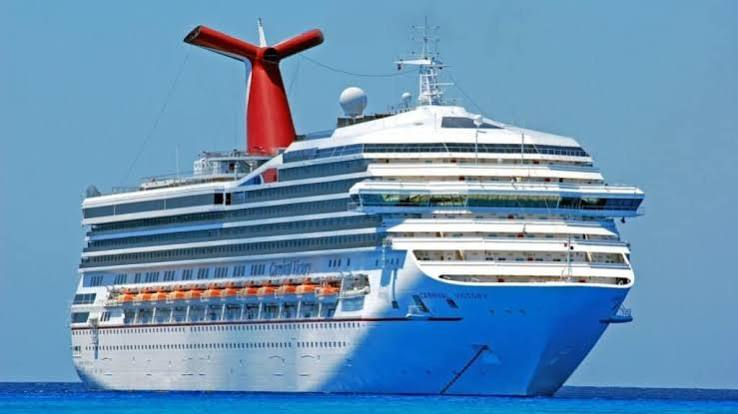
Ships have carried names for thousands of years, serving as symbols of identity, pride, and purpose. From ancient wooden sailing vessels to today’s massive container ships, luxury cruise liners, fishing boats, naval warships, and private yachts, every vessel has a name that distinguishes it from others. A ship’s name often reflects its owner’s personality, cultural heritage, mission, or aspirations. Whether inspired by mythology, nature, historical figures, or personal memories, ship names have always held special significance in maritime traditions.
Today, choosing the right ship names is both a creative and practical decision. Boat owners, commercial operators, and naval organizations carefully select names that are memorable, meaningful, and appropriate for their vessels. A well-chosen name enhances recognition, strengthens branding, and creates an emotional connection between the ship and those who sail aboard it. This guide explores the fascinating history of ship names, explains how vessels receive their names, examines naming traditions around the world, and provides practical advice for selecting the perfect name.
The History of Ship Names
The tradition of naming ships dates back several thousand years. Ancient civilizations, including the Egyptians, Greeks, Phoenicians, Romans, and Vikings, believed that giving a vessel a name offered protection during dangerous sea voyages. Ships were often named after gods, goddesses, mythical creatures, celestial bodies, or legendary heroes. These names reflected the spiritual beliefs of sailors who depended on favorable weather and safe passage across unpredictable waters.
As maritime trade expanded during the Middle Ages and the Age of Exploration, ship names became increasingly important for identification and reputation. Famous exploration vessels carried names that became part of world history, while merchant ships often reflected the wealth, values, or ambitions of their owners. Over time, naming traditions evolved, but the idea that every ship should possess a unique identity remained constant across maritime cultures.
Why Ship Names Matter
A ship’s name serves several important purposes beyond simple identification. In commercial shipping, a distinctive name helps customers, ports, insurers, and maritime authorities recognize a vessel quickly. Shipping companies often develop naming conventions that reinforce their corporate identity, making their fleets instantly recognizable throughout the global maritime industry.
On a personal level, recreational boat owners often choose names that carry emotional meaning. Some vessels commemorate loved ones, favorite destinations, family traditions, or significant life experiences. Others express qualities such as freedom, adventure, resilience, or hope. A thoughtfully selected name becomes part of the vessel’s story and often creates lasting memories for everyone who spends time aboard.
Traditional Themes Used for Ship Names
Throughout history, certain naming themes have remained consistently popular across different types of vessels. Nature has long inspired ship names through references to oceans, winds, birds, stars, mountains, rivers, and weather phenomena. These names often symbolize strength, beauty, endurance, or the close relationship between ships and the natural world.
Mythology and history also continue to influence maritime naming traditions. Many vessels carry names inspired by legendary warriors, gods, explorers, queens, or historical events. Naval ships frequently honor national heroes, important battles, or distinguished leaders, while private yacht owners may select names that reflect elegance, mystery, or personal aspirations. These timeless themes connect modern vessels with centuries of maritime heritage.
Modern Trends in Ship Naming
Contemporary ship names often balance tradition with creativity. Luxury yachts frequently receive elegant names that evoke sophistication, relaxation, or luxury living. Cruise ships commonly feature names associated with dreams, destinations, oceans, or positive emotions that appeal to travelers seeking memorable vacation experiences.
Commercial shipping companies increasingly use structured naming systems for operational consistency. Some organizations assign vessels names beginning with the same letter or following a common theme related to geography, astronomy, wildlife, or company history. This approach strengthens brand recognition while simplifying fleet management. Meanwhile, recreational boat owners enjoy complete creative freedom, leading to humorous, inspirational, romantic, and highly personalized vessel names.
Ship Naming Traditions and Maritime Superstitions
Maritime traditions surrounding ship naming remain remarkably strong despite advances in modern technology. For centuries, sailors believed that a properly named vessel would enjoy safer voyages and better fortune at sea. Naming ceremonies often included blessings, speeches, and symbolic rituals intended to bring prosperity, protection, and successful journeys.
One of the most recognized traditions involves christening a new ship by breaking a bottle of champagne against its bow before its first voyage. Although the specific customs vary among countries and organizations, these ceremonies celebrate the beginning of a vessel’s operational life. Many maritime enthusiasts continue to respect these longstanding traditions, viewing them as meaningful connections to generations of sailors who came before them.
Choosing the Perfect Ship Name
Selecting the ideal ship name requires careful thought because the name often remains with the vessel for many years. Owners typically seek names that are easy to pronounce, memorable, meaningful, and visually attractive when displayed on the hull. A short, distinctive name also improves communication during radio transmissions and reduces the likelihood of misunderstanding in busy maritime environments.
Practical considerations are equally important. Before officially registering a vessel, owners should verify that the chosen name complies with local maritime regulations and is not already assigned to another registered vessel within the applicable jurisdiction. Many owners also consider how the name will appear in documentation, digital tracking systems, insurance records, and marina registrations to ensure consistency across all official records.
Popular Categories of Ship Names
Ship names can be grouped into many creative categories, each reflecting different values and personalities. Adventure-themed names emphasize exploration and discovery, while ocean-inspired names celebrate the beauty and power of the sea. Wildlife names remain popular because they symbolize speed, grace, endurance, or strength. Celestial names inspired by stars, planets, moons, and constellations often create an elegant and timeless impression.
Personal names also continue to be widely used. Many boat owners dedicate their vessels to spouses, children, parents, grandparents, or close friends as lasting tributes. Others choose inspirational words representing peace, courage, freedom, success, happiness, or new beginnings. These meaningful choices transform a vessel into something deeply personal rather than simply another mode of transportation.
Ship Names in Popular Culture and Literature
Ships have played central roles in literature, cinema, and storytelling for centuries, making many vessel names instantly recognizable around the world. Fictional ships often become symbols of adventure, mystery, heroism, or exploration. Their names contribute significantly to the atmosphere and identity of the stories in which they appear, helping readers and audiences form lasting emotional connections with the characters and their journeys.
Modern entertainment continues this tradition through films, television series, novels, and video games featuring memorable ship names. These fictional vessels often inspire real-life boat owners searching for distinctive names with cultural significance. While originality remains important, many enthusiasts appreciate names that subtly reference beloved stories without directly copying famous fictional ships.
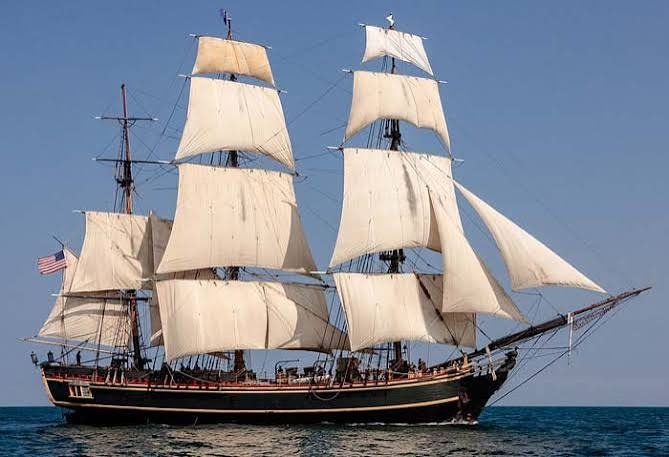
The Lasting Importance of Ship Names
A ship names is much more than a collection of words painted on its hull. It represents identity, history, purpose, and tradition while creating a lasting connection between the vessel and those who operate, own, or admire it. Whether assigned to a commercial cargo ship crossing international oceans, a naval vessel serving national interests, a luxury yacht exploring coastal waters, or a family fishing boat creating lifelong memories, the right name becomes an essential part of the vessel’s character.
As global maritime industries continue to evolve with advanced technology, environmental innovation, and increasingly sophisticated vessel design, the tradition of naming ships remains as meaningful as ever. Thoughtfully chosen ship names preserve centuries of maritime heritage while allowing each new vessel to establish its own unique identity. By combining historical appreciation with personal creativity and practical planning, owners can select names that remain meaningful for generations and continue one of the world’s oldest and most respected nautical traditions.
