

The phrase “spin a dreidel” is closely associated with Hanukkah, one of the most widely celebrated holidays in Judaism. For generations, families have gathered around the table to spin a dreidel, enjoy traditional holiday foods, exchange stories, and celebrate the Festival of Lights. While the game itself is simple enough for children to learn in minutes, it carries a rich cultural and historical significance that has helped preserve Jewish traditions across centuries.
Today, the spin a dreidel game has evolved beyond family gatherings. Digital versions, educational activities, classroom lessons, and online “spin a dreidel” games have introduced this beloved tradition to people around the world. Whether someone is learning about Hanukkah for the first time or continuing a cherished family custom, understanding how to spin a dreidel offers valuable insight into Jewish history, symbolism, and celebration.
What Is a Dreidel?
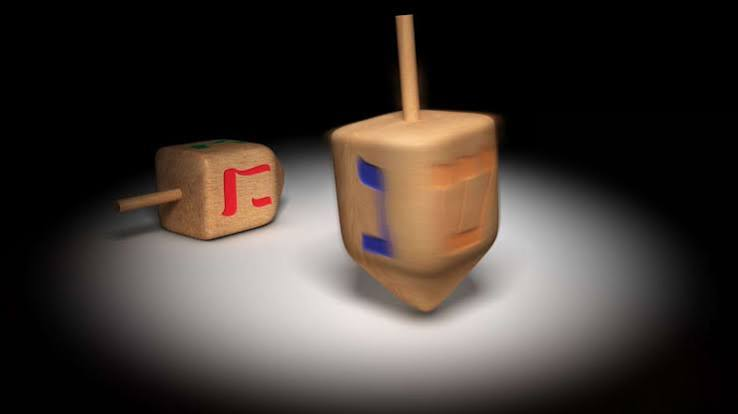
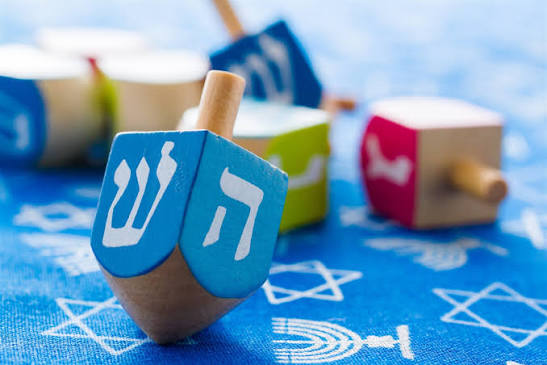
A dreidel is a four-sided spinning top traditionally used during Hanukkah. Each side displays a Hebrew letter, and together these letters form an abbreviation of a well-known Hebrew phrase that translates to “A great miracle happened there.” In Israel, one of the letters changes to reflect that the miracle happened “here,” referring to the historical events associated with Jerusalem.
Dreidels are made from many different materials, including wood, plastic, ceramic, glass, and metal. Modern artisans also create decorative dreidels from silver, crystal, and handcrafted materials, making them both functional game pieces and meaningful holiday decorations. Although children often use inexpensive dreidels for playing games, many families also own special heirloom dreidels passed down through generations. spin a dreidel.
The History Behind the Dreidel Tradition
The exact origins of the dreidel are still discussed by historians, but its association with Hanukkah is deeply rooted in Jewish tradition. According to a popular historical account, Jewish people living under religious persecution used spinning tops as a clever disguise while secretly studying sacred texts. If authorities approached, they could quickly hide their books and pretend they were simply playing a game.
Over time, the dreidel became firmly connected with Hanukkah celebrations commemorating the victory of the Maccabees and the rededication of the Holy Temple in Jerusalem during the second century BCE. The holiday celebrates both religious freedom and the miracle of the oil that, according to Jewish tradition, burned for eight days despite there being enough for only one. The dreidel gradually evolved into one of Hanukkah’s most recognizable cultural symbols alongside the menorah, candles, and traditional holiday foods. spin a dreidel.
What the Hebrew Letters on the Dreidel Mean
Each side of a traditional dreidel displays one Hebrew letter that carries both symbolic and practical meaning within the game. Together, the four letters represent the Hebrew phrase “Nes Gadol Haya Sham,” commonly translated as “A great miracle happened there.” In Israel, the final letter is replaced to create the phrase “A great miracle happened here,” emphasizing the location where the Hanukkah story took place.
Beyond their religious symbolism, the letters also determine the outcome of each spin during gameplay. Depending on which letter lands facing upward, a player may win the entire pot, collect part of it, contribute to the pot, or simply pass the turn without taking any action. These simple rules create an enjoyable game of chance suitable for players of nearly every age.
How to Spin a Dreidel and Play the Traditional Game
Learning how to spin a dreidel is remarkably simple, making it one of the easiest traditional holiday games to teach children. Before the game begins, each participant contributes small items to a shared pot. Historically, these items included nuts, raisins, coins, or other treats. Today, many families use chocolate gelt, candies, or game tokens instead.
Players take turns spinning the dreidel on a flat surface. When the spinning top stops, the Hebrew letter facing upward determines what happens next according to the traditional rules. The game continues as players add to or collect from the pot until one player eventually accumulates most or all of the tokens. While luck plays the biggest role, the excitement comes from the unpredictable nature of every spin and the shared enjoyment among family members.
Why the Dreidel Remains an Important Hanukkah Symbol
Although many people recognize the dreidel primarily as a game, it also serves as a powerful reminder of Jewish resilience, faith, and cultural continuity. Every Hanukkah season, spinning the dreidel connects families with traditions that have been preserved for centuries despite periods of hardship and displacement. The game allows younger generations to participate in meaningful customs while learning about their heritage in an engaging way. spin a dreidel.
The dreidel also reflects the broader themes of Hanukkah, including perseverance, hope, religious freedom, and the celebration of miracles. Rather than existing only as a children’s activity, it encourages storytelling, family interaction, and conversations about Jewish history. This combination of entertainment and education has helped ensure the tradition remains relevant across generations. spin a dreidel.
Modern Ways to Spin a Dreidel
Technology has introduced new ways to enjoy this timeless tradition. Online “spin a dreidel” games, educational websites, and mobile applications allow families, classrooms, and individuals to experience the game virtually. These digital versions are especially useful for teachers explaining Hanukkah traditions or for relatives celebrating together across long distances.
Many schools and community organizations now incorporate dreidel games into multicultural education programs. Students learn not only the mechanics of spinning the dreidel but also the historical and religious significance behind the activity. Interactive online versions often include explanations of the Hebrew letters, Hanukkah history, and cultural traditions, making them valuable educational resources alongside traditional gameplay.
Tips for Making Dreidel Games More Enjoyable
The simplicity of the dreidel game allows families to adapt it for different age groups and occasions. Young children often enjoy using colorful candies or chocolate gelt as game pieces, while older participants may create friendly competitions with themed prizes or family traditions that make each Hanukkah gathering unique. The focus remains on spending meaningful time together rather than determining a winner. spin a dreidel.
Creating a festive atmosphere enhances the experience even further. Many families spin the dreidel while lighting the Hanukkah menorah, singing traditional songs, enjoying foods such as latkes and sufganiyot, and sharing stories about the Festival of Lights. These customs transform the simple spinning top into part of a much larger celebration centered on family, gratitude, and remembrance. spin a dreidel.
The Lasting Legacy of Spinning a Dreidel
For centuries, spinning a dreidel has represented far more than a holiday pastime. It embodies cultural identity, historical memory, and the transmission of traditions from one generation to the next. Even as lifestyles and technology continue to evolve, the dreidel remains an enduring symbol of Hanukkah that brings families and communities together each year.
Whether played with a handcrafted wooden top, a colorful plastic version, or an online virtual spinner, the experience continues to unite people through shared celebration and learning. The enduring popularity of the dreidel demonstrates how simple traditions can preserve history while creating joyful memories for future generations.
Conclusion
To spin a dreidel is to participate in one of Hanukkah’s most beloved and meaningful traditions. What begins as a simple game quickly reveals deeper connections to Jewish history, religious freedom, family heritage, and the celebration of miracles. The four Hebrew letters, the familiar spinning top, and the excitement of each turn all contribute to an experience that has been treasured for generations.
Today, the tradition continues to thrive in homes, schools, synagogues, and online communities around the world. Whether someone is learning the game for the first time or carrying on a family custom, spinning a dreidel offers an enjoyable way to celebrate Hanukkah while honoring the values and stories that have shaped this enduring holiday. Its blend of history, symbolism, education, and fun ensures that the dreidel will remain a cherished part of Hanukkah celebrations for many years to come.
