

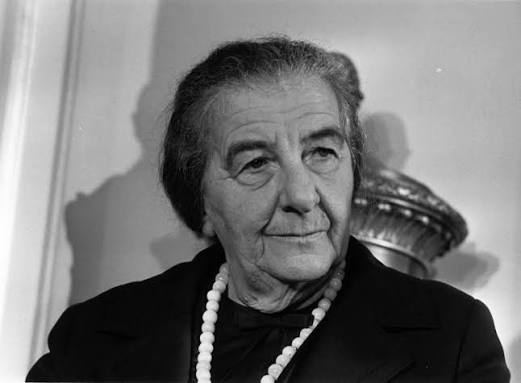
Morris Meyerson was an artist, sign painter, and intellectual best known as the first husband of Golda Meir, one of Israel’s founding leaders and its fourth prime minister. Although history primarily remembers Golda Meir for her remarkable political career, Morris Meyerson played an important role during the formative years of her life. Their relationship began long before Golda entered politics, and together they immigrated to British Mandate Palestine, where they shared the challenges of building a new life in what would later become the State of Israel.
Interest in Morris Meyerson continues to grow as readers seek to understand the personal side of Golda Meir’s story. While Golda became an internationally recognized political figure, Morris chose a quieter path focused on work, family, and intellectual pursuits. His life reflects the experiences of many early Zionist immigrants whose contributions often remained outside the public spotlight. This article explores Morris Meyerson’s early years, marriage, career, family life, relationship with Golda Meir, and his historical legacy using verified historical information.
Early Life and Background
Morris Meyerson was born in 1893 into a Jewish family that later settled in the United States. During his early years, he developed an interest in art, literature, and intellectual discussion rather than politics or public leadership. Those who knew him described him as thoughtful, well-read, and deeply interested in culture, qualities that would later shape both his career and his relationship with Golda.
As a young man, Morris worked primarily as a sign painter, a skilled trade that combined craftsmanship with artistic ability. Although he was not wealthy or politically influential, he valued education and ideas. His intellectual curiosity became one of the characteristics that initially attracted Golda Mabovitch, who would later become known worldwide as Golda Meir. Their shared interest in social justice and Jewish identity laid the foundation for their relationship.
Meeting Golda Mabovitch
Morris Meyerson met Golda Mabovitch in Denver, Colorado, after she left Milwaukee to stay with her married sister. Denver had become a gathering place for young Jewish immigrants and idealists who frequently discussed politics, Zionism, philosophy, labor movements, and world affairs. These lively conversations helped shape both Morris and Golda during their formative years.
The couple developed a close relationship despite having different personalities. Golda possessed extraordinary ambition and leadership qualities, while Morris preferred a quieter, more reflective life. Even so, they shared a commitment to Zionism and eventually married in 1917. Their marriage marked the beginning of a partnership that would accompany them through one of the most significant periods in modern Jewish history.
Immigration to Palestine and Life on a Kibbutz
In 1921, Morris and Golda immigrated to British Mandate Palestine, fulfilling their shared Zionist dream of helping build a Jewish homeland. They settled at Kibbutz Merhavia, where both participated in physically demanding agricultural work. Life on the kibbutz required tremendous sacrifice, with members sharing responsibilities ranging from farming to food preparation.
Although Morris supported the move, adapting to kibbutz life proved more difficult for him than for Golda. The demanding labor and communal lifestyle did not align with his artistic temperament, while Golda thrived in leadership roles within the community. These differing experiences gradually revealed contrasting personal ambitions that would later influence the course of their marriage.
Career and Professional Life
Unlike his wife, Morris Meyerson never pursued a career in politics. Instead, he continued working in practical occupations, including sign painting and other artistic trades. His professional life reflected stability and craftsmanship rather than public recognition. While Golda increasingly became involved in labor organizations and political leadership, Morris remained focused on supporting his family through his work.
Historical accounts describe Morris as an intelligent man with broad cultural interests. He enjoyed reading and thoughtful discussion, but he preferred private intellectual engagement over public political activity. His personality contrasted sharply with Golda’s growing reputation as a determined organizer and influential leader within the Labor Zionist movement, making their professional paths increasingly different over time.
Marriage, Family, and Personal Challenges
Morris and Golda Meyerson had two children, a son named Menachem and a daughter named Sarah. Despite the growing demands of Golda’s public responsibilities, both parents cared deeply about their family. Raising children while helping establish a new society in Palestine presented significant challenges, particularly during periods of political uncertainty and economic hardship.
As Golda’s political career accelerated, the couple spent increasing amounts of time apart. Her responsibilities with labor organizations and international diplomatic missions required extensive travel, leaving Morris to manage many family responsibilities at home. Their differing priorities gradually placed strain on the marriage. Although they never formally divorced, they eventually separated and lived largely independent lives while maintaining mutual respect.
Why Their Marriage Changed
Historians generally agree that the primary reason for the couple’s separation was not personal conflict but fundamentally different life goals. Golda devoted herself almost entirely to public service, believing her work was essential to the future of the Jewish community in Palestine and later Israel. Morris, meanwhile, desired a quieter family-centered life that allowed more time for personal relationships and intellectual interests.
The demands of politics often require extraordinary personal sacrifice, and the Meyerson marriage became one example of those challenges. Golda’s growing influence within the Histadrut labor federation and later within Israeli government institutions left little opportunity for a conventional family life. Morris reportedly found it difficult to accept the constant absence and public obligations that accompanied her remarkable political rise.
Morris Meyerson’s Later Years
Following the couple’s separation, Morris Meyerson continued living a relatively private life away from national politics. Unlike Golda, whose international reputation continued to grow, Morris rarely appeared in newspapers or public events. Historical records about his later years remain limited because he deliberately stayed outside the political spotlight.
Morris Meyerson died in 1951, years before Golda Meir became Israel’s foreign minister and eventually prime minister. His passing occurred at a time when Israel itself was still a young nation facing enormous political, economic, and security challenges. Because he died relatively early, he did not witness many of the historic achievements that would later define Golda Meir’s career.
Morris Meyerson’s Place in History
Although Morris Meyerson is most frequently remembered as Golda Meir’s husband, his historical importance extends beyond that relationship. His life illustrates the experiences of countless Jewish immigrants who left established lives abroad to help build new communities in Palestine. Like many early pioneers, his contributions were practical and personal rather than political.
Modern historians increasingly recognize that the families of major political leaders often made significant sacrifices that receive little public attention. Morris supported Golda during the earliest stages of her journey while navigating the personal costs associated with her extraordinary ambitions. His story provides valuable insight into the human side of Israel’s founding generation and reminds readers that history is shaped not only by famous leaders but also by those closest to them.
Conclusion
Morris Meyerson remains an important historical figure because of both his own life and his connection to Golda Meir. Born in 1893, he built a life grounded in artistic work, intellectual curiosity, and family values before joining Golda in immigrating to Palestine to pursue their shared Zionist vision. Although their marriage ultimately could not withstand the demands of Golda’s political career, the years they spent together formed an essential chapter in both of their lives.
Today, interest in Morris Meyerson reflects a broader desire to understand the people behind major historical events. His story offers a more complete picture of Golda Meir’s early life while highlighting the personal sacrifices made by many families during the establishment of modern Israel. Remembered as a thoughtful, hardworking, and private individual, Morris Meyerson’s legacy continues to provide historical context for one of the twentieth century’s most influential political leaders.
