

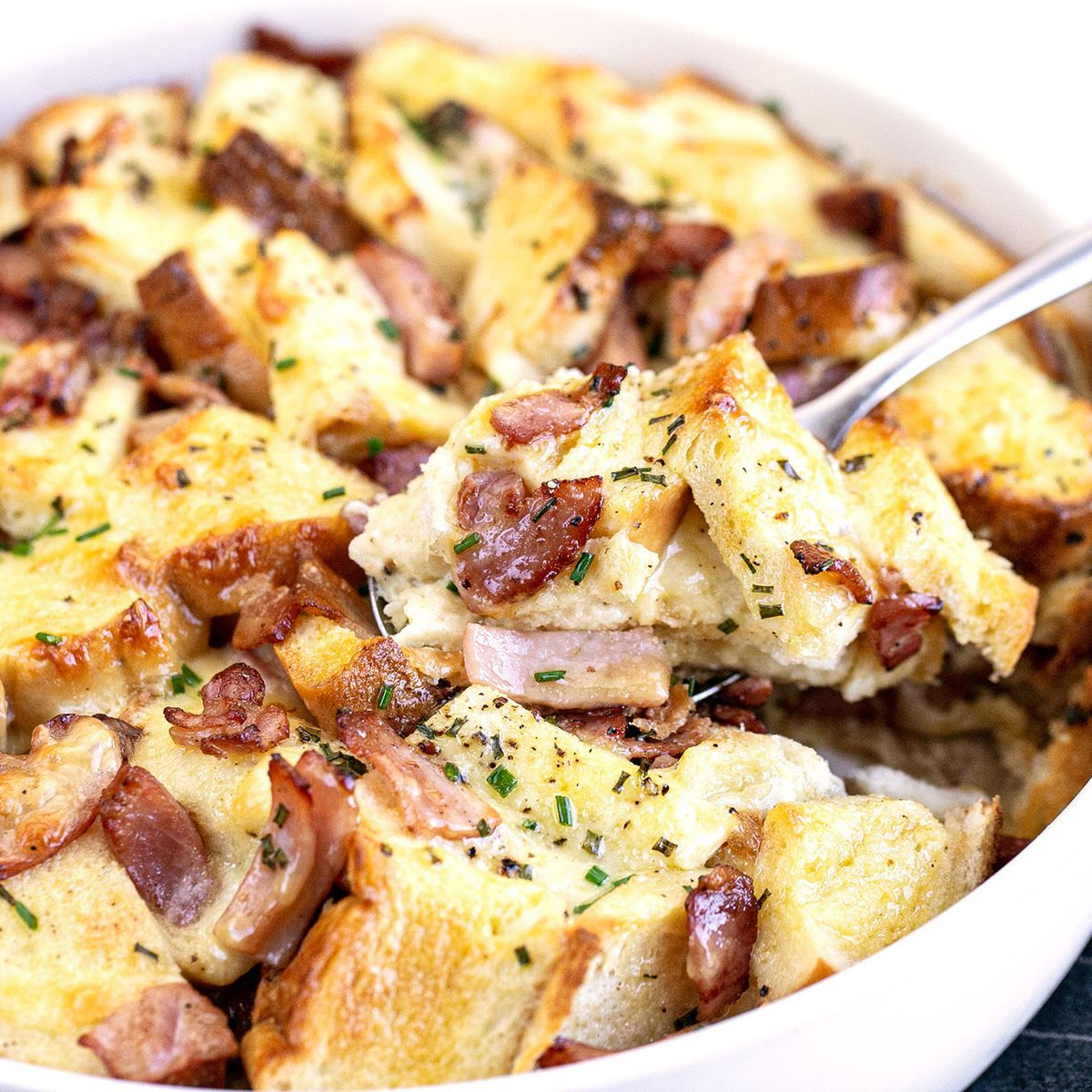
Bacon pudding is a classic comfort food that has deep roots in traditional British and European cooking. Rich, hearty, and satisfying, this dish combines the smoky flavor of bacon with a soft pudding or pastry casing, creating a meal that has warmed families for generations. While modern cuisine often focuses on quick meals and trendy ingredients, bacon pudding remains a beloved example of how simple ingredients can be transformed into something truly delicious.
Whether served as a main course during a cold winter evening or enjoyed as part of a traditional family gathering, bacon pudding continues to hold a special place in culinary history. Its versatility, affordability, and comforting taste make it appealing to people of all ages.
In this comprehensive guide, we will explore the history of bacon pudding, its ingredients, preparation methods, variations, nutritional value, serving suggestions, and tips for creating the perfect bacon pudding at home.
What Is Bacon Pudding?
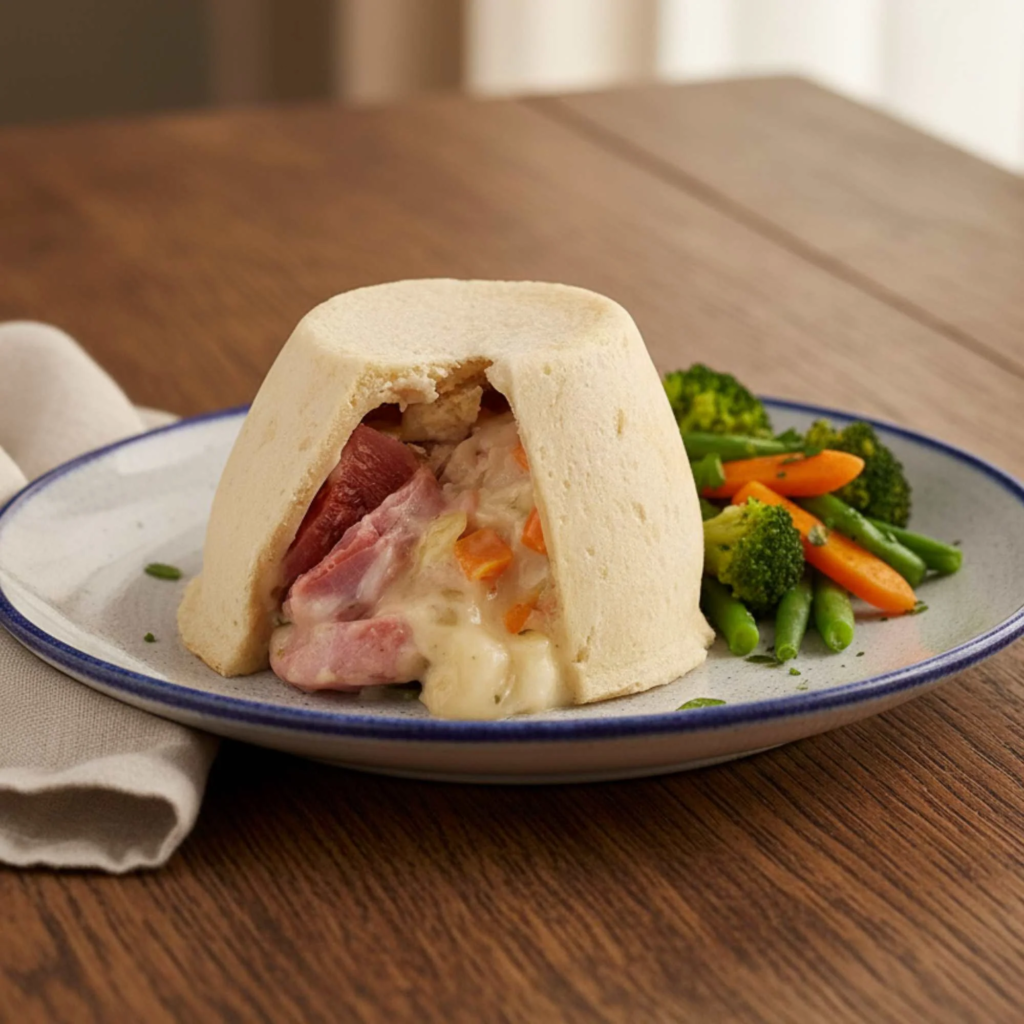
Bacon pudding is a traditional savory dish made by enclosing bacon, often with onions and seasonings, inside a suet pastry or dough before steaming or baking it. The result is a soft, moist pudding with a rich, smoky filling.
Unlike sweet puddings that are common in many parts of the world, British-style puddings can be savory and are often prepared using suet pastry. Bacon pudding is one of the most popular examples of this tradition.
The dish is especially associated with regions of England where hearty, filling meals were necessary for workers who spent long hours outdoors or in industrial occupations.
The History of Bacon Pudding
The origins of bacon pudding can be traced back several centuries. During the eighteenth and nineteenth centuries, many working-class families relied on affordable ingredients such as flour, suet, and cured meats.
Steamed puddings became popular because they could be cooked slowly over a fire without requiring an oven. Bacon was often used because it was preserved through curing and could be stored for long periods.
As industrialization spread throughout Britain, bacon pudding became a staple meal in many households. It provided energy, warmth, and nourishment while using ingredients that were readily available and relatively inexpensive.
Over time, regional variations emerged, but the basic concept remained the same: savory bacon enclosed within a soft pastry shell and cooked until tender.
Traditional Ingredients
The beauty of bacon pudding lies in its simplicity. Most traditional recipes use only a handful of ingredients.
Bacon
The star ingredient is bacon. Thick-cut cured bacon is often preferred because it provides a robust flavor and remains juicy during cooking.
Popular choices include:
- Back bacon
- Streaky bacon
- Smoked bacon
- Unsmoked bacon
Each type contributes a slightly different flavor profile.
Suet
Suet is a hard fat traditionally used in British pastry making. It creates a rich, tender texture that works particularly well in steamed puddings.
Vegetarian suet alternatives are also widely available today.
Flour
Plain flour forms the foundation of the pudding dough. Combined with suet and water, it creates a sturdy pastry capable of holding the filling.
Onion
Many traditional recipes include onions to enhance the savory flavor. The sweetness of cooked onions balances the saltiness of the bacon.
Seasonings
Common seasonings include:
- Black pepper
- Salt
- Sage
- Thyme
- Parsley
These herbs add depth and complexity to the finished dish.
How Bacon Pudding Is Made
The preparation process is straightforward but requires patience.
Step 1: Prepare the Pastry
Flour and suet are mixed together before cold water is added to form a soft dough. The dough should be pliable but not sticky.
Step 2: Roll Out the Dough
The pastry is rolled into a large circle or rectangle, depending on the pudding basin being used.
Step 3: Add the Filling
Bacon and onions are layered onto the pastry. Seasonings are sprinkled over the filling.
Step 4: Seal the Pudding
The pastry is folded over or wrapped around the filling to create a sealed parcel.
Step 5: Steam the Pudding
Traditionally, the pudding is placed in a greased basin, covered securely, and steamed for several hours.
Slow steaming allows the pastry to become tender while the bacon infuses the pudding with flavor.
Step 6: Serve
Once cooked, the pudding is turned out onto a serving plate and sliced into portions.
Why Bacon Pudding Remains Popular
Despite changing food trends, bacon pudding continues to enjoy popularity for several reasons.
Comfort Food Appeal
The warm, rich flavors evoke feelings of comfort and nostalgia. Many people associate bacon pudding with family meals and cherished traditions.
Affordable Ingredients
Most ingredients are inexpensive and widely available, making the dish accessible to many households.
Filling and Satisfying
Bacon pudding is highly satisfying due to its combination of carbohydrates, protein, and fat.
Versatility
The recipe can easily be adapted to suit different tastes and dietary preferences.
Regional Variations
Different regions have developed unique interpretations of bacon pudding.
Sussex Bacon Pudding
One of the most famous versions comes from Sussex, England. This variation often uses cured bacon and onions enclosed in suet pastry before steaming.
Hampshire Bacon Pudding
In Hampshire, some recipes include additional herbs and spices for a more complex flavor.
Norfolk Style
Norfolk versions may incorporate vegetables such as leeks or potatoes alongside the bacon.
Modern Variations
Contemporary chefs have introduced ingredients such as:
- Mushrooms
- Cheese
- Mustard
- Apples
- Cider
These additions create new flavor combinations while preserving the dish’s traditional character.
Nutritional Value
Bacon pudding provides a substantial amount of energy and nutrients.
Protein
Bacon contributes protein, which supports muscle maintenance and overall health.
Carbohydrates
The pastry provides carbohydrates that serve as a primary energy source.
Fat
Suet and bacon contribute fat, which enhances flavor and promotes satiety.
Vitamins and Minerals
Depending on the ingredients used, bacon pudding may contain:
- Iron
- Zinc
- B vitamins
- Selenium
Adding vegetables can further increase the nutritional value.
Tips for Making the Perfect Bacon Pudding
Creating an exceptional bacon pudding requires attention to detail.
Use Quality Bacon
High-quality bacon produces superior flavor and texture.
Don’t Overwork the Dough
Mix the pastry just enough to combine the ingredients. Excessive handling can make it tough.
Season Carefully
Bacon is naturally salty, so additional salt should be used sparingly.
Allow Adequate Steaming Time
Rushing the cooking process can result in undercooked pastry.
Keep Moisture Balanced
Too much liquid can make the pudding soggy, while too little can cause dryness.
Popular Side Dishes
Bacon pudding pairs well with many traditional accompaniments.
Mashed Potatoes
Creamy mashed potatoes complement the rich flavors of the pudding.
Peas
Garden peas add freshness and color.
Gravy
A savory gravy enhances moisture and flavor.
Cabbage
Steamed or buttered cabbage provides a pleasant contrast to the richness of the dish.
Roasted Vegetables
Carrots, parsnips, and turnips make excellent side dishes.
Bacon Pudding Around the World
Although closely associated with Britain, similar dishes can be found elsewhere.
Australia
British settlers introduced bacon pudding traditions to Australia, where variations remain popular.
New Zealand
Many families continue to prepare steamed puddings inspired by British recipes.
Canada
Certain regions with strong British heritage still enjoy bacon pudding as a comfort food.
United States
While less common, some American cooks have adopted bacon pudding recipes and adapted them to local tastes.
Modern Adaptations
Contemporary cooks often modify traditional recipes to suit modern lifestyles.
Baked Bacon Pudding
Instead of steaming, some recipes use the oven for convenience.
Individual Portions
Single-serving puddings offer attractive presentation and easier portion control.
Healthier Versions
Some adaptations reduce fat content by using lean bacon and lighter pastry.
Gluten-Free Options
Gluten-free flour blends can replace traditional wheat flour.
Vegetarian Alternatives
Plant-based bacon substitutes allow vegetarians to enjoy a similar flavor profile.
Common Mistakes to Avoid
Using Thin Bacon
Thin slices may become overly soft and lose texture during cooking.
Insufficient Cooking Time
Undercooked pastry can ruin the dish.
Overfilling
Too much filling can cause the pudding to split.
Poor Sealing
A properly sealed pastry helps retain flavor and moisture.
Ignoring Resting Time
Allowing the pudding to rest briefly before slicing improves texture.
Serving Bacon Pudding for Special Occasions
Although often considered everyday comfort food, bacon pudding can also be served at gatherings and celebrations.
For family dinners, it provides a centerpiece that encourages sharing. During holidays and winter events, its warming qualities make it especially appealing.
Many hosts present bacon pudding alongside seasonal vegetables and homemade gravy for a memorable meal.
Storing and Reheating
Refrigeration
Leftover bacon pudding can be stored in an airtight container in the refrigerator for up to three days.
Freezing
The pudding freezes well and can be stored for several months.
Reheating
Gentle reheating in the oven helps preserve texture. Microwaving is convenient but may soften the pastry.
Why Home Cooks Love Bacon Pudding
Home cooks appreciate bacon pudding because it combines simplicity with outstanding flavor.
Benefits include:
- Easy preparation
- Budget-friendly ingredients
- Family-friendly appeal
- Excellent leftovers
- Adaptable recipe options
Its enduring popularity demonstrates the timeless appeal of traditional comfort foods.
Conclusion
Bacon pudding is much more than a simple savory dish. It represents centuries of culinary tradition, resourcefulness, and comfort. Made from humble ingredients such as bacon, flour, suet, and onions, it delivers rich flavor and satisfying texture that continue to delight modern diners.
From its historical origins in working-class households to contemporary restaurant menus and home kitchens, bacon pudding has remained a cherished favorite. Its versatility allows cooks to customize the recipe while preserving the qualities that have made it popular for generations.
Whether you prepare a traditional steamed version or experiment with modern variations, bacon pudding offers a delicious taste of culinary heritage. Warm, hearty, and deeply satisfying, it remains one of the finest examples of classic comfort food and a dish worthy of a place at any table.
