

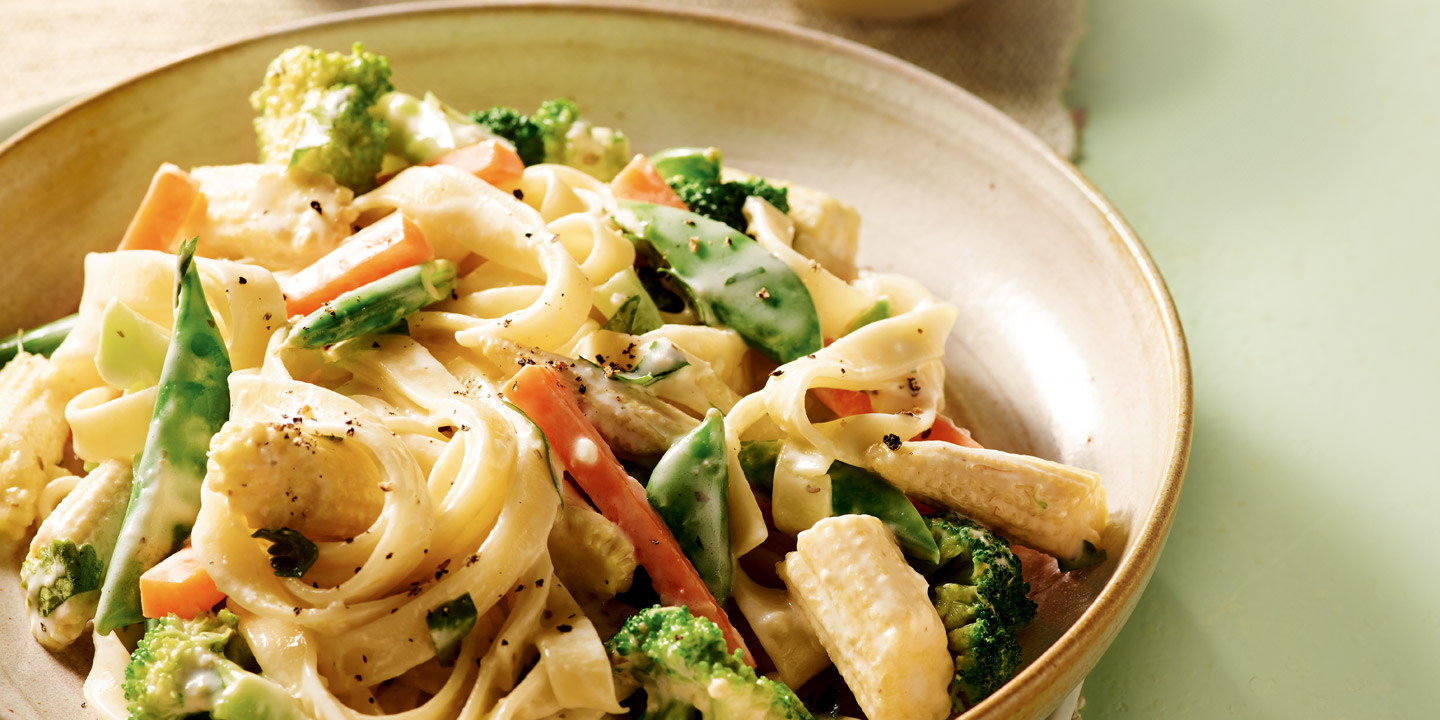
Tagliatelle is one of the most iconic and cherished pasta varieties in Italian cuisine. Known for its long, flat ribbons and remarkable ability to hold rich sauces, it has earned a special place on dining tables around the world. From traditional ragù dishes in Bologna to modern gourmet creations, this versatile pasta continues to delight food lovers with its texture, flavor, and culinary flexibility.
Whether you are a passionate home cook, a pasta enthusiast, or someone discovering Italian cuisine for the first time, understanding tagliatelle offers valuable insight into one of Italy’s most celebrated culinary traditions. This comprehensive guide explores the history, characteristics, preparation methods, nutritional value, popular recipes, and cultural significance of it.
What Is Tagliatelle?
it is a traditional Italian pasta characterized by long, flat ribbons that are wider than spaghetti but narrower than lasagna sheets. The name comes from the Italian verb tagliare, which means “to cut,” reflecting the way the pasta is traditionally prepared by cutting rolled sheets of dough into strips.
Typically made from eggs and wheat flour, it has a rich texture that distinguishes it from many other pasta varieties. Its broad surface area allows sauces to cling effectively, making it particularly suitable for hearty meat sauces, creamy preparations, and rich vegetable-based dishes.
Fresh is especially prized for its tender texture and ability to absorb flavors beautifully.
The History of Tagliatelle
it has deep roots in the culinary traditions of northern Italy, particularly in the region of Emilia-Romagna. This area is widely recognized as one of Italy’s gastronomic capitals and is famous for producing some of the country’s finest pasta dishes.
According to a popular legend, tagliatelle was inspired by the hairstyle of a noblewoman during the Renaissance. While historians generally consider this story more folklore than fact, it highlights the pasta’s longstanding cultural significance.
In reality, it likely evolved naturally from centuries of pasta-making traditions in northern Italy. Generations of cooks refined the technique of rolling and cutting egg-based pasta into ribbons, creating the beloved form we know today.
Today, it remains a symbol of Italian culinary excellence and continues to be enjoyed worldwide.
Characteristics of Tagliatelle
Several distinctive features make tagliatelle unique among pasta varieties.
Flat Ribbon Shape
it consists of long, flat ribbons that are typically about 6 to 8 millimeters wide.
This shape allows sauces to coat the pasta evenly while providing a satisfying texture.
Egg-Based Dough
Unlike many dried pasta varieties made solely from durum wheat and water, traditional includes eggs.
The eggs contribute:
- Rich flavor
- Golden color
- Tender texture
- Improved elasticity
Versatile Pairing Ability
it works well with numerous sauces, making it one of the most adaptable pasta shapes available.
Fresh Texture
Freshly made tagliatelle offers a delicate texture that many pasta enthusiasts consider superior to dried alternatives.
Traditional Ingredients
Authentic tagliatelle requires only a few simple ingredients.
Flour
Italian “00” flour is commonly used because of its fine texture.
Other options include:
- All-purpose flour
- Semolina flour blends
Eggs
Fresh eggs provide structure, flavor, and color.
Salt
A small amount of salt enhances the flavor of the dough.
The simplicity of these ingredients demonstrates the elegance of traditional Italian cooking.
How Tagliatelle Is Made
Making from scratch is a rewarding culinary experience.
Step 1: Prepare the Dough
Combine flour and eggs on a work surface.
Mix gradually until a rough dough forms.
Step 2: Knead
Knead the dough for approximately 10 minutes.
The dough should become:
- Smooth
- Elastic
- Firm
Step 3: Rest the Dough
Wrap the dough and allow it to rest for at least 30 minutes.
Resting relaxes the gluten and improves workability.
Step 4: Roll the Dough
Using a rolling pin or pasta machine, roll the dough into thin sheets.
Step 5: Cut the Pasta
Fold the sheet carefully and slice it into even ribbons.
Step 6: Dry Slightly
Allow the pasta to dry briefly before cooking.
Fresh can be cooked immediately or stored for later use.
Cooking Tagliatelle Perfectly
Proper cooking is essential for achieving the ideal texture.
Fresh Tagliatelle
Fresh pasta cooks quickly.
Most fresh tagliatelle requires:
- 2 to 4 minutes
Dried Tagliatelle
Dried versions generally require:
- 7 to 10 minutes
Salted Water
Always cook pasta in generously salted water.
This enhances flavor throughout the pasta.
Al Dente Texture
The goal is “al dente,” meaning the pasta remains slightly firm when bitten.
This texture is highly valued in Italian cuisine.
Tagliatelle vs. Fettuccine
Many people confuse with fettuccine.
Although similar, there are subtle differences.
Tagliatelle
- Originates from Emilia-Romagna
- Slightly wider ribbons
- Traditionally made with eggs
Fettuccine
- Associated with Roman cuisine
- Often slightly narrower
- Frequently served with creamy sauces
In practice, the two pastas are often used interchangeably outside Italy.
Tagliatelle vs. Pappardelle
Another common comparison involves pappardelle.
Tagliatelle
- Medium-width ribbons
- Versatile for various sauces
Pappardelle
- Much wider ribbons
- Best suited for very hearty sauces
Pappardelle’s broader surface area makes it ideal for robust meat ragùs.
Famous Tagliatelle Dishes
it serves as the foundation for many celebrated Italian recipes.
Tagliatelle al Ragù
This classic dish is perhaps the most famous preparation.
It features:
- Slow-cooked meat sauce
- Tomatoes
- Vegetables
- Aromatics
Outside Italy, it is often called “Bolognese.”
Tagliatelle ai Funghi
This mushroom-based dish combines tagliatelle with:
- Fresh mushrooms
- Garlic
- Herbs
- Olive oil
Tagliatelle Alfredo
Although more common internationally than in Italy, Alfredo sauce pairs beautifully with it.
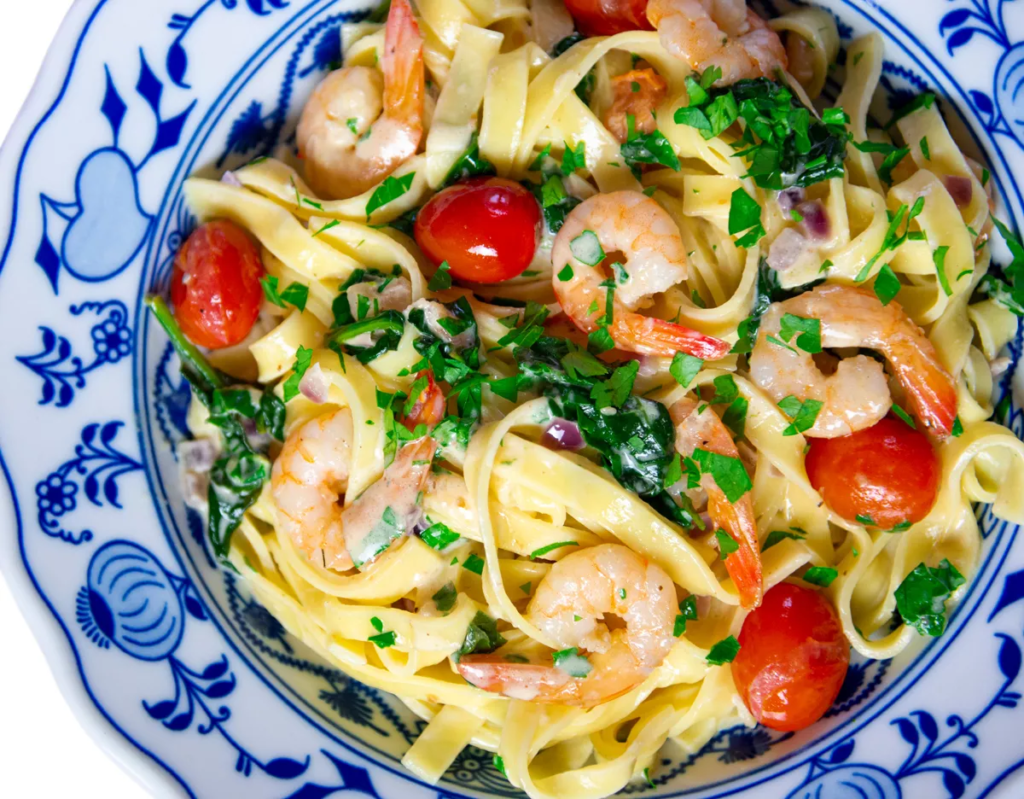
Seafood Tagliatelle
Seafood versions may include:
- Shrimp
- Clams
- Mussels
- Scallops
Truffle Tagliatelle
Luxurious truffle preparations showcase the pasta’s ability to complement premium ingredients.
Why Tagliatelle Works So Well with Sauces
The structure of makes it exceptionally sauce-friendly.
Surface Area
Its flat shape provides more contact with sauce compared to round pasta shapes.
Texture
The egg-rich dough absorbs flavors effectively.
Balance
The ribbons are substantial enough to support rich sauces without overwhelming the palate.
This combination explains why it remains a favorite among chefs.
Nutritional Value of Tagliatelle
it can be part of a balanced diet when enjoyed in moderation.
Carbohydrates
Pasta serves as an excellent source of energy.
Protein
Egg-based contains more protein than many water-based pasta varieties.
Vitamins and Minerals
Eggs contribute nutrients such as:
- Vitamin A
- Vitamin D
- B vitamins
Calories
A typical serving contains approximately:
- 200 to 300 calories before sauce additions
Nutritional content varies depending on ingredients and preparation methods.
Homemade vs. Store-Bought Tagliatelle
Both options offer advantages.
Homemade Tagliatelle
Benefits include:
- Fresh flavor
- Superior texture
- Customizable thickness
Store-Bought Tagliatelle
Advantages include:
- Convenience
- Consistent quality
- Long shelf life
Many cooks enjoy keeping dried on hand while making fresh versions for special occasions.
Best Sauces for Tagliatelle
Certain sauces pair particularly well with it.
Meat Ragù
The traditional choice.
The wide ribbons capture every bit of the rich sauce.
Cream Sauces
Popular options include:
- Alfredo
- Parmesan cream
- Mushroom cream
Butter-Based Sauces
Simple butter sauces allow the pasta’s flavor to shine.
Tomato Sauces
Fresh tomato sauces create a lighter yet satisfying meal.
Pesto
Basil pesto coats beautifully.
Seafood Sauces
Light seafood sauces complement the pasta without overpowering it.
Regional Importance in Italy
it holds particular significance in Emilia-Romagna.
The region is renowned for producing:
- Parmigiano Reggiano
- Prosciutto
- Mortadella
- Traditional ragù
it serves as a cornerstone of this rich culinary heritage.
Many local families continue to prepare fresh pasta using techniques passed down through generations.
Tips for Making Perfect Tagliatelle
Use Quality Ingredients
Simple recipes depend on excellent ingredients.
Knead Thoroughly
Proper kneading develops the dough’s structure.
Allow Adequate Resting Time
Resting improves elasticity and ease of rolling.
Roll Evenly
Consistent thickness ensures uniform cooking.
Avoid Excess Flour
Too much flour can make the pasta dry.
Cook Immediately
Fresh pasta often tastes best when cooked shortly after preparation.
Creative Modern Uses for Tagliatelle
Contemporary chefs continue to find innovative applications for it.
Vegetable Tagliatelle
Some recipes use vegetables such as:
- Zucchini
- Carrots
- Sweet potatoes
cut into ribbon-like shapes.
Fusion Cuisine
it appears in dishes inspired by:
- Asian flavors
- Mediterranean ingredients
- Modern culinary trends
Gourmet Presentations
Upscale restaurants frequently feature it’s paired with:
- Truffles
- Lobster
- Wild mushrooms
- Specialty cheeses
Its elegant appearance makes it ideal for sophisticated plating.
Common Mistakes When Cooking Tagliatelle
Overcooking
Soft, mushy pasta loses its appeal.
Insufficient Water
Crowded cooking conditions can cause sticking.
Not Salting the Water
Salted water significantly improves flavor.
Rinsing After Cooking
Rinsing removes starch that helps sauces adhere.
Using the Wrong Sauce
Very thin sauces may not cling effectively to it.
How to Store Tagliatelle
Fresh Pasta
Store in the refrigerator for:
- Up to two days
Freezing
Fresh freezes well.
Arrange portions on a tray before transferring to freezer bags.
Dried Pasta
Store in a cool, dry place.
Properly stored dried pasta can last for many months.
Tagliatelle Around the World
Although deeply rooted in Italian culture, it enjoys global popularity.
Restaurants across North America, Europe, Asia, and Australia regularly feature dishes.
Its universal appeal stems from:
- Easy preparation
- Versatile flavor pairings
- Elegant presentation
Whether served in a rustic trattoria or a fine-dining establishment, it remains a symbol of quality pasta cuisine.
Frequently Asked Questions
Is Tagliatelle the Same as Spaghetti?
No.
it consists of flat ribbons, while spaghetti is round and thin.
Can Tagliatelle Be Made Without Eggs?
Yes.
Egg-free versions exist, although traditional recipes typically include eggs.
What Sauce Is Best for Tagliatelle?
Meat ragù is considered the classic pairing.
However, cream sauces, mushroom sauces, and pesto are also excellent choices.
Is Fresh Tagliatelle Better Than Dried?
Many people prefer fresh for its texture, though high-quality dried versions can be excellent.
Can I Freeze Homemade Tagliatelle?
Yes.
Fresh freezes very well and can be cooked directly from frozen.
Conclusion
Tagliatelle represents the beauty and simplicity of traditional Italian cooking. With its long, elegant ribbons, rich egg-based dough, and remarkable ability to pair with a wide variety of sauces, it remains one of the world’s most beloved pasta types. From its historic origins in Emilia-Romagna to its presence on modern restaurant menus across the globe, it continues to showcase the timeless appeal of handcrafted pasta.
Whether enjoyed with a slow-cooked ragù, creamy mushroom sauce, fresh seafood, or aromatic pesto, it offers a satisfying and memorable dining experience. Learning about its history, preparation methods, and culinary versatility not only deepens appreciation for Italian cuisine but also inspires home cooks to bring this classic pasta tradition into their own kitchens. As both a comfort food and a gourmet ingredient, it truly deserves its reputation as one of Italy’s greatest culinary treasures.
