

Pastel de nata is one of the most beloved pastries in the world. Originating in Portugal, this delicious custard tart has won the hearts of food lovers across continents. With its flaky, buttery pastry shell and creamy, caramelized custard filling, pastel de nata offers a perfect balance of texture and flavor that makes it unforgettable.
Over the years, this Portuguese delicacy has become a symbol of the country’s rich culinary heritage. ‘pastel de nata‘ Whether enjoyed in a traditional bakery in Lisbon or a modern café halfway around the globe, pastel de nata continues to delight people of all ages. Its popularity has grown far beyond Portugal, making it one of the most recognized and celebrated pastries internationally.
This article explores the history, ingredients, preparation methods, cultural significance, variations, serving suggestions, and reasons behind the enduring popularity of pastel de nata.
What Is Pastel de Nata?
it is a Portuguese egg custard tart made from a crispy puff pastry shell filled with a rich custard mixture. The pastry is baked at a very high temperature, creating a golden crust and distinctive caramelized spots on the surface of the custard.
The tart is usually small, making it ideal as a snack, dessert, or accompaniment to coffee. It is commonly served warm and often sprinkled with cinnamon or powdered sugar before eating.
While many countries have their own custard-based pastries, it stands out because of its unique combination of flaky pastry and silky custard filling. The contrast between the crunchy exterior and creamy center creates a delightful eating experience.
The History of Pastel de Nata
The origins of pastel de nata date back several centuries. The pastry was first created by Catholic monks at the Jerónimos Monastery in Lisbon during the 18th century.
At the time, egg whites were widely used for starching clothes and other household purposes. This left an abundance of egg yolks, which monks often used in baking. As a result, many Portuguese desserts became rich in egg yolks, including it.
Following the Liberal Revolution of 1820, many monasteries faced financial difficulties. To generate income, the monks began selling their custard tarts to the public. Eventually, the recipe was sold to a nearby sugar refinery.
In 1837, the refinery owners opened a bakery known today as Pastéis de Belém. This bakery continues to produce the original version of the pastry using a closely guarded secret recipe. The popularity of these tarts spread rapidly throughout Portugal and eventually around the world.
Why Pastel de Nata Is So Popular
Several factors contribute to the worldwide popularity of pastel de nata.
Unique Flavor
The pastry combines buttery, flaky layers with sweet and creamy custard. The caramelized top adds a subtle bitterness that balances the sweetness.
Rich Tradition
Food enthusiasts appreciate the deep historical roots of pastel de nata. Every tart carries centuries of Portuguese culinary tradition.
Versatility
Pastel de nata can be enjoyed at breakfast, as a dessert, during afternoon tea, or as a quick snack.
International Appeal
Its flavor profile appeals to people from various cultural backgrounds. The pastry has become popular in Europe, Asia, North America, Australia, and beyond.
Instagram-Worthy Appearance
The beautiful golden custard, flaky crust, and slightly charred top make pastel de nata visually appealing, helping its popularity grow through social media.
Ingredients Used in Pastel de Nata
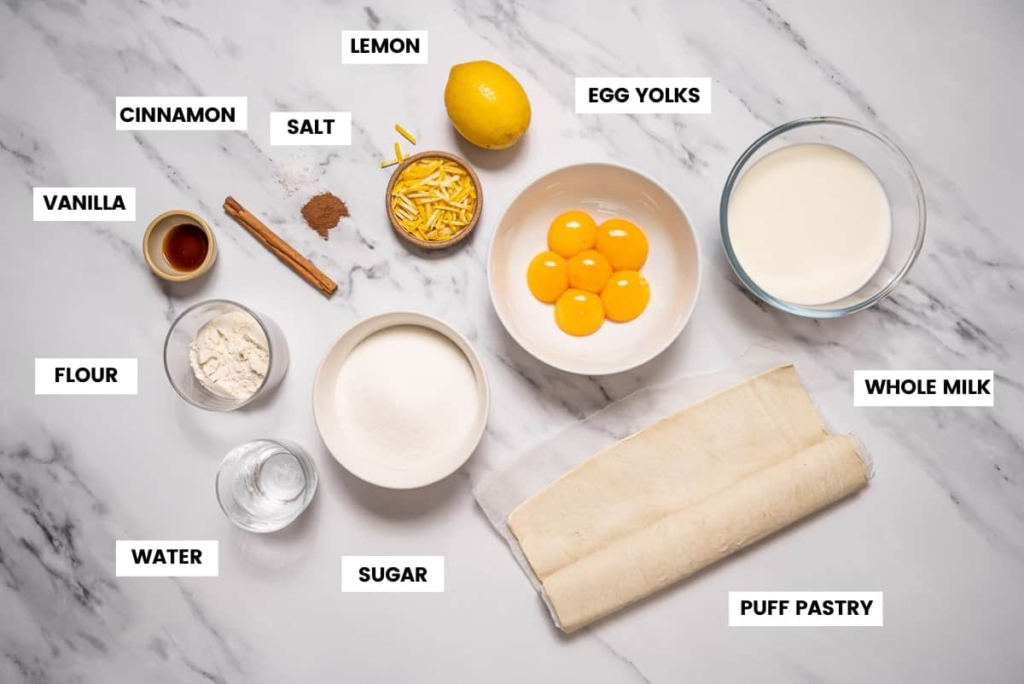
Although the recipe may vary slightly, traditional pastel de nata uses a relatively simple set of ingredients.
For the Pastry
- Puff pastry
- Butter
- Flour
For the Custard Filling
- Egg yolks
- Sugar
- Milk
- Flour
- Water
- Lemon peel
- Cinnamon stick
- Vanilla extract (optional)
The magic lies not only in the ingredients but also in the precise preparation and baking process.
How Pastel de Nata Is Made
Creating authentic pastel de nata requires skill and attention to detail.
Preparing the Pastry
The puff pastry is rolled tightly into a log and sliced into individual portions. Each slice is pressed into a tart mold, creating thin layers that become crispy during baking.
Making the Custard
A sugar syrup is prepared separately. Milk and flour are combined to create a smooth mixture, while lemon peel and cinnamon infuse additional flavor.
Egg yolks are added carefully to create a silky custard. The mixture must remain smooth and free from lumps.
Filling the Shells
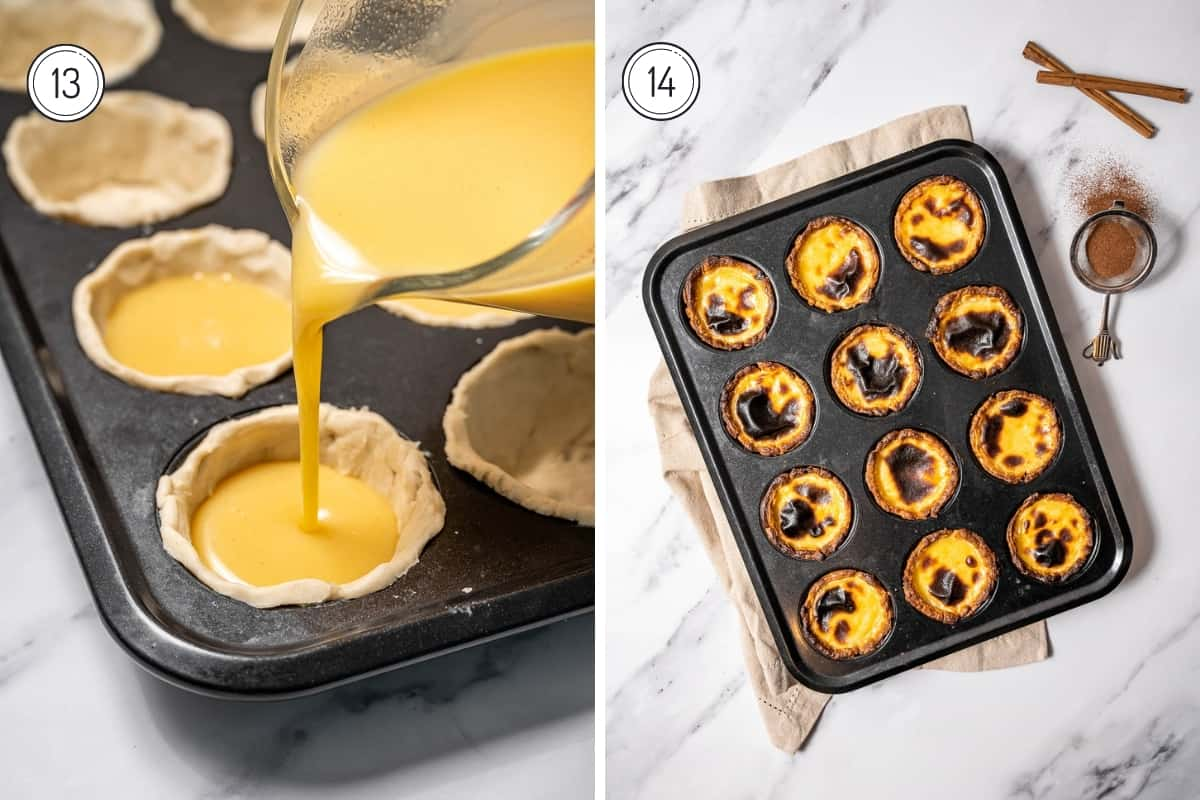
The custard is poured into the prepared pastry shells, filling them nearly to the top.
Baking
The tarts are baked at extremely high temperatures, often above 250°C (480°F). This intense heat creates the signature caramelized spots on the custard while keeping the pastry crisp and flaky.
Cooling and Serving
After baking, the tarts are allowed to cool slightly before serving. Many people enjoy them warm for the best flavor and texture.
Traditional Serving Style
In Portugal, pastel de nata is commonly served with:
- Espresso coffee
- Cappuccino
- Tea
- Hot chocolate
Many bakeries provide cinnamon and powdered sugar for customers to sprinkle over the tarts according to personal preference.
The pastry is often enjoyed as part of breakfast or an afternoon snack. Locals frequently pair it with a strong Portuguese coffee for a classic combination.
Pastéis de Belém: The Original Custard Tart
When discussing pastel de nata, it is impossible to ignore the famous bakery in Lisbon known as Pastéis de Belém.
This historic bakery is widely considered the birthplace of the modern custard tart. Its recipe remains a closely guarded secret known only to a handful of master bakers.
Visitors often line up for hours to taste the original version. The bakery produces thousands of tarts daily, yet demand remains consistently high.
For many travelers, trying a tart at Pastéis de Belém is a must-do experience during a visit to Lisbon.
Pastel de Nata Around the World
The popularity of pastel de nata has expanded far beyond Portugal.
Europe
The pastry is commonly found in Spain, France, Germany, and the United Kingdom.
Asia
Countries such as China, Japan, Singapore, Malaysia, and Macau have embraced pastel de nata. In Macau, the tart evolved into a local specialty with slight modifications.
North America
Portuguese communities introduced the pastry to Canada and the United States, where it has become increasingly popular.
Australia and New Zealand
The pastry is now available in many bakeries and cafés across both countries.
Differences Between Pastel de Nata and Other Custard Tarts
Many people compare pastel de nata with other custard-based pastries, but important differences exist.
Puff Pastry Base
Unlike many custard tarts that use shortcrust pastry, pastel de nata relies on puff pastry, creating a flakier texture.
Caramelized Surface
The characteristic dark spots on the custard distinguish it from smoother custard pies.
Flavor Profile
Lemon peel and cinnamon provide subtle complexity that is unique to traditional Portuguese recipes.
High-Temperature Baking
The extreme baking temperature creates the tart’s distinctive appearance and flavor.
Nutritional Information
Pastel de nata is an indulgent treat rather than a health food. However, understanding its nutritional profile can help people enjoy it in moderation.
A typical tart may contain:
- Calories: 200–300
- Fat: 10–15 grams
- Carbohydrates: 25–35 grams
- Sugar: 15–20 grams
- Protein: 3–5 grams
Nutritional values vary depending on recipe and serving size.
Homemade Pastel de Nata
Many home bakers enjoy making pastel de nata from scratch.
Tips for Success
Use High-Quality Puff Pastry
Good pastry creates the characteristic flaky texture.
Don’t Overcook the Custard
Overcooking can result in a grainy texture.
Bake at Maximum Temperature
High heat is essential for creating authentic caramelized spots.
Chill the Custard
Allowing the custard to cool before filling the shells can improve consistency.
Practice Patience
Perfecting pastel de nata often requires several attempts.
Popular Variations
Although traditional recipes remain most popular, creative variations have emerged.
Chocolate Pastel de Nata
Chocolate is added to the custard for a richer flavor.
Coffee-Flavored Version
Espresso enhances the custard with a subtle bitterness.
Fruit Variations
Some bakers incorporate berries, citrus, or tropical fruits.
Matcha Pastel de Nata
Popular in Asia, matcha powder provides a unique green tea flavor.
Vegan Alternatives
Plant-based ingredients replace dairy and eggs while preserving much of the original texture.
Cultural Importance in Portugal
Pastel de nata is more than just a dessert. It represents Portuguese identity, tradition, and hospitality.
Families often serve these pastries during gatherings and celebrations. Tourists associate them strongly with Portuguese culture, making them one of the country’s most recognizable culinary exports.
The tart also contributes significantly to Portugal’s food tourism industry. Countless visitors travel specifically to experience authentic Portuguese pastries.
Best Occasions to Enjoy Pastel de Nata
Pastel de nata suits many occasions.
Breakfast
Its sweet flavor pairs wonderfully with morning coffee.
Afternoon Tea
The pastry complements tea and other light refreshments.
Dessert
It provides a satisfying finish to a meal.
Celebrations
Many people serve pastel de nata at parties and special events.
Travel Experiences
Trying local pastries is a memorable part of visiting Portugal.
Common Mistakes When Making Pastel de Nata
Home bakers frequently encounter several challenges.
Underbaking
Insufficient baking prevents proper caramelization.
Thick Custard
Too much flour can make the filling overly dense.
Soggy Pastry
Improper baking temperatures may lead to a soft crust.
Uneven Filling
Consistent portioning ensures uniform baking.
Incorrect Oven Temperature
High heat is critical for authentic results.
Why Food Lovers Continue to Adore Pastel de Nata
Pastel de nata has endured for centuries because it offers something special. The pastry combines simplicity and sophistication in a single bite. Every element contributes to its appeal: the flaky shell, creamy custard, caramelized surface, and rich historical background.
Food trends come and go, but classic recipes remain timeless. Pastel de nata exemplifies how traditional craftsmanship can continue to captivate modern audiences.
Its growing popularity worldwide demonstrates that great food transcends borders and cultures. Whether enjoyed in Lisbon, London, New York, Tokyo, or Sydney, the pastry consistently delivers comfort, indulgence, and satisfaction.
Conclusion
Pastel de nata is one of Portugal’s greatest culinary treasures. With origins rooted in monastic baking traditions, this iconic custard tart has evolved into a global favorite. Its delicate layers of puff pastry, rich custard filling, and caramelized top create a combination that is both simple and extraordinary.
The pastry’s historical significance, versatility, and irresistible flavor have secured its place among the world’s most celebrated desserts. Whether purchased from a renowned Portuguese bakery or baked at home, pastel de nata offers a taste of tradition that continues to enchant generations of food lovers.
As interest in international cuisine grows, pastel de nata remains a shining example of how a humble pastry can become a worldwide symbol of cultural heritage and culinary excellence.
