

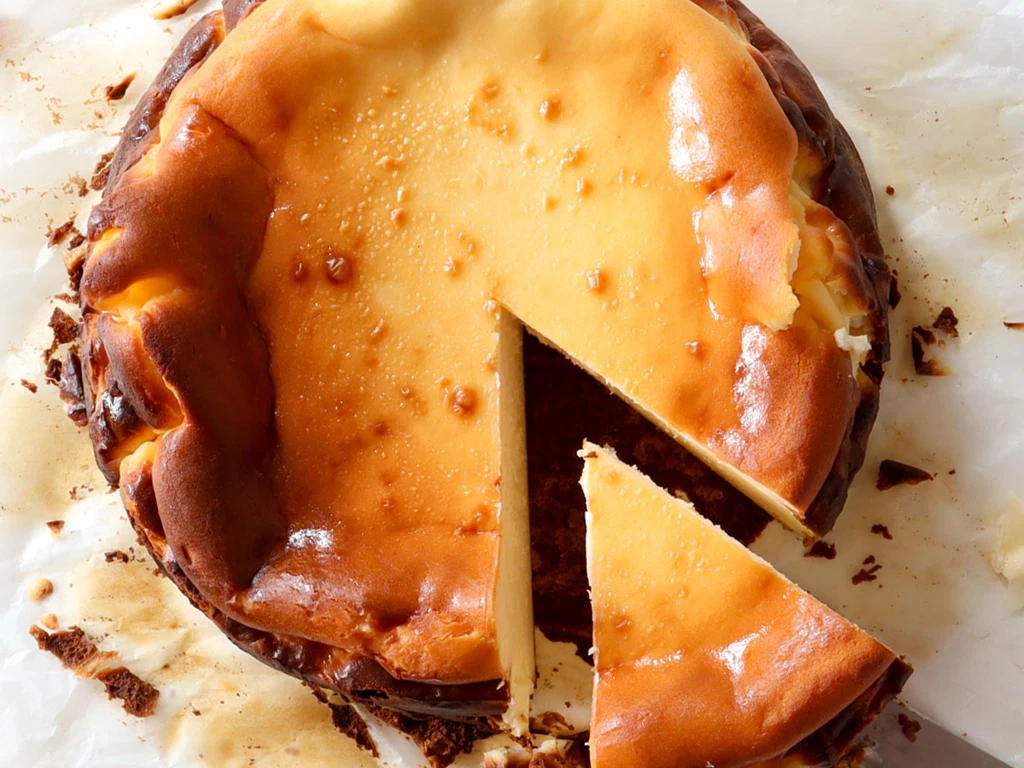
Few desserts have captured the attention of food lovers around the world quite like the Basque cheesecake. Known for its beautifully caramelized top, creamy interior, and rustic appearance, this unique dessert has transformed from a regional specialty in northern Spain into an international culinary sensation.
Unlike traditional cheesecakes that strive for a perfectly smooth surface and even baking, Basque cheesecake embraces imperfection. Its signature dark, almost burnt exterior contrasts beautifully with its soft and custard-like center, creating a dessert that is both simple and sophisticated.
Today, Basque cheesecake appears in bakeries, restaurants, cafés, and home kitchens across the globe. Its rich flavor, easy preparation, and impressive presentation have made it one of the most popular desserts of the modern era.
This comprehensive guide explores the history, ingredients, preparation methods, variations, cultural significance, and enduring popularity of Basque cheesecake.
What Is Basque Cheesecake?
Basque cheesecake, often called Burnt Basque Cheesecake, is a crustless cheesecake that originates from the Basque region of Spain. It is characterized by:
- A deeply caramelized dark brown top
- A creamy and smooth center
- A rich cheese flavor
- A rustic appearance
- A soft, custard-like texture
Unlike traditional New York-style cheesecake, Basque cheesecake is intentionally baked at a very high temperature. This creates the signature burnt exterior while keeping the inside remarkably creamy.
The result is a dessert that balances sweetness, richness, and subtle bitterness from the caramelized surface.
The Origins of Basque Cheesecake
Basque cheesecake originated in the city of San Sebastián, located in Spain’s Basque Country.
The dessert was created at a small restaurant called La Viña during the late twentieth century. The restaurant became famous for serving a cheesecake unlike any other.
Instead of focusing on precision and perfection, the creators embraced a rustic baking method that produced:
- Cracked surfaces
- Burnt tops
- Soft centers
- Intense flavor
Customers quickly fell in love with the unique texture and taste.
Over time, food critics, chefs, and travelers introduced the dessert to international audiences, helping Basque cheesecake become a global phenomenon.
Why Is It Called Burnt Cheesecake?
The term “burnt” refers to the dark surface created during baking.
Unlike a baking mistake, the dark top is intentional.
The high baking temperature causes the sugars and proteins on the surface to caramelize deeply, creating:
- Rich flavor
- Complex aroma
- Beautiful color contrast
- Slight bitterness that balances sweetness
The burnt exterior is one of the dessert’s most distinctive features.
Without it, the cheesecake would lose much of its unique character.
What Makes Basque Cheesecake Different?
Basque cheesecake differs from traditional cheesecake in several important ways.
No Crust
Most cheesecakes use a crust made from:
- Graham crackers
- Digestive biscuits
- Cookies
- Pastry dough
Basque cheesecake usually contains no crust at all.
This allows the creamy filling to remain the star of the dessert.
High-Temperature Baking
Traditional cheesecakes are often baked slowly at lower temperatures.
Basque cheesecake uses very high heat to achieve:
- Deep browning
- Caramelization
- Creamy interior
Rustic Appearance
Many cheesecakes aim for flawless presentation.
Basque cheesecake celebrates imperfections such as:
- Wrinkles
- Cracks
- Uneven surfaces
- Dark edges
Its rustic look has become part of its charm.
Creamier Texture
The center often remains softer than conventional cheesecake.
Many versions have a texture somewhere between:
- Cheesecake
- Custard
- Flan
- Mousse
This luxurious consistency contributes to its popularity.
Key Ingredients in Basque Cheesecake
One reason Basque cheesecake has become so popular is its simplicity.
Most recipes require only a handful of ingredients.
Cream Cheese
Cream cheese forms the foundation of the dessert.
It provides:
- Richness
- Tanginess
- Smooth texture
Full-fat cream cheese typically delivers the best results.
Heavy Cream
Heavy cream creates the signature silky consistency.
It contributes to:
- Creaminess
- Moisture
- Smooth mouthfeel
The high fat content is essential.
Eggs
Eggs help bind the ingredients together.
They also create structure while maintaining softness.
Eggs contribute significantly to the custard-like interior.
Sugar
Sugar adds sweetness and supports caramelization during baking.
The dark top develops partly because of the sugar content.
Flour
A small amount of flour is often included.
It helps stabilize the batter without making it dense.
Some recipes use:
- All-purpose flour
- Cornstarch
- No thickener at all
Each variation produces slightly different textures.
Vanilla
Vanilla enhances the overall flavor profile.
While optional, it adds warmth and depth.
How Basque Cheesecake Is Made
The preparation process is surprisingly simple.
Step 1: Prepare the Ingredients
All ingredients should be brought to room temperature.
This ensures smooth mixing and prevents lumps.
Step 2: Mix the Batter
Cream cheese and sugar are blended together until smooth.
The remaining ingredients are gradually added.
The goal is a silky batter with no visible lumps.
Step 3: Prepare the Pan
A springform pan is typically lined with parchment paper.
The paper extends above the edges, creating the cheesecake’s characteristic rustic shape.
Wrinkled parchment contributes to the final appearance.
Step 4: Bake at High Heat
The batter is baked at a significantly higher temperature than traditional cheesecakes.
This creates:
- Deep browning
- Caramelized flavors
- Dark surface coloration
The center remains slightly jiggly when removed from the oven.
Step 5: Cool Completely
The cheesecake continues setting as it cools.
Many bakers refrigerate it before serving.
Others enjoy it at room temperature.
Both approaches are popular.
The Flavor Profile of Basque Cheesecake
The dessert offers a complex and balanced flavor experience.
Sweetness
The sweetness is noticeable but not overwhelming.
Creaminess
The interior provides extraordinary richness.
Tanginess
Cream cheese contributes a pleasant tangy note.
Caramelization
The dark surface adds:
- Toasted flavors
- Slight bitterness
- Depth and complexity
This balance distinguishes Basque cheesecake from many other desserts.
Why Basque Cheesecake Became So Popular
Several factors contributed to its worldwide success.
Visual Appeal
The dramatic appearance attracts attention immediately.
The contrast between:
- Dark exterior
- Pale interior
creates a striking visual effect.
Simplicity
Many desserts require complicated techniques.
Basque cheesecake is relatively straightforward.
Even beginner bakers can achieve impressive results.
Social Media Influence
Food photography helped fuel its popularity.
The unique appearance stands out in:
- Instagram posts
- Food blogs
- Recipe videos
- Online cooking communities
Its photogenic nature contributed significantly to its rise.
Versatility
The dessert can be served:
- Warm
- Chilled
- Plain
- With toppings
This flexibility appeals to a wide audience.
Variations of Basque Cheesecake
As popularity increased, creative variations emerged.
Chocolate Basque Cheesecake
Chocolate versions add:
- Cocoa powder
- Melted chocolate
- Chocolate chips
The result is even richer and more indulgent.
Matcha Basque Cheesecake
Matcha introduces:
- Earthy flavor
- Green color
- Japanese influence
This variation has become especially popular in Asia.
Citrus Basque Cheesecake
Lemon or orange zest adds brightness.
The citrus balances the richness beautifully.
Coffee Basque Cheesecake
Coffee lovers enjoy versions featuring:
- Espresso
- Coffee extract
- Finely ground coffee
These variations offer deeper flavor complexity.
Fruit-Infused Cheesecake
Popular additions include:
- Strawberry
- Raspberry
- Blueberry
- Mango
Fruit provides freshness and contrast.
Tips for Perfect Basque Cheesecake
Use Full-Fat Ingredients
Fat contributes significantly to texture and flavor.
Low-fat substitutes often produce inferior results.
Avoid Overmixing
Excessive mixing can introduce too much air.
This may affect texture and appearance.
Trust the Dark Color
Many first-time bakers worry the cheesecake is overcooked.
The dark surface is intentional.
It should appear deeply browned.
Allow Proper Cooling
Patience is important.
Cooling helps develop the ideal texture.
Use Quality Cream Cheese
High-quality cream cheese improves both flavor and consistency.
Common Mistakes
Even simple recipes can present challenges.
Underbaking
Removing the cheesecake too early can create an overly liquid center.
Overbaking
Excessive baking may reduce creaminess.
Incorrect Temperature
High heat is essential.
Lower temperatures produce a different dessert entirely.
Poor Ingredient Quality
The simplicity of the recipe means every ingredient matters.
Nutritional Considerations
Basque cheesecake is a rich dessert.
Typical ingredients contain:
- Fat
- Protein
- Sugar
- Calcium
Because of its richness, smaller portions often feel satisfying.
Many people enjoy it as an occasional treat rather than an everyday dessert.
Serving Suggestions
Basque cheesecake can be served in numerous ways.
Plain
Many enthusiasts believe the dessert shines best without additions.
Fresh Fruit
Berries provide freshness and acidity.
Popular choices include:
- Strawberries
- Raspberries
- Blueberries
Fruit Sauces
Fruit compotes add sweetness and color.
Whipped Cream
A light topping can complement the dense richness.
Coffee
Coffee pairs exceptionally well with the cheesecake’s caramelized flavors.
Tea
Tea offers a lighter accompaniment.
Popular options include:
- Earl Grey
- Green tea
- Black tea
Basque Cheesecake Around the World
The dessert has become an international favorite.
Today it appears in:
- Bakeries
- Fine dining restaurants
- Cafés
- Dessert shops
- Home kitchens
Different countries have adapted the recipe to local tastes.
These adaptations continue expanding the cheesecake’s appeal.
Why Home Bakers Love Basque Cheesecake
Home bakers appreciate several advantages.
Forgiving Recipe
Imperfections often improve the appearance.
Minimal Ingredients
Most kitchens already contain the necessary ingredients.
Impressive Results
The finished dessert looks sophisticated despite simple preparation.
Consistent Success
Even beginners can achieve excellent outcomes.
These qualities make it one of the most approachable gourmet desserts.
The Cultural Significance of Basque Cheesecake
Basque cheesecake represents more than a recipe.
It reflects a philosophy of cooking that values:
- Flavor over perfection
- Simplicity over complexity
- Tradition over trends
Its success demonstrates that great food does not always require elaborate techniques.
Sometimes the best dishes emerge from embracing imperfections.
The Future of Basque Cheesecake
Food trends come and go, but Basque cheesecake appears likely to remain popular.
Its enduring appeal stems from:
- Exceptional flavor
- Simple preparation
- Visual uniqueness
- Global adaptability
Chefs continue experimenting with new ingredients and techniques while preserving the dessert’s essential identity.
This balance between tradition and innovation ensures ongoing relevance.
Conclusion
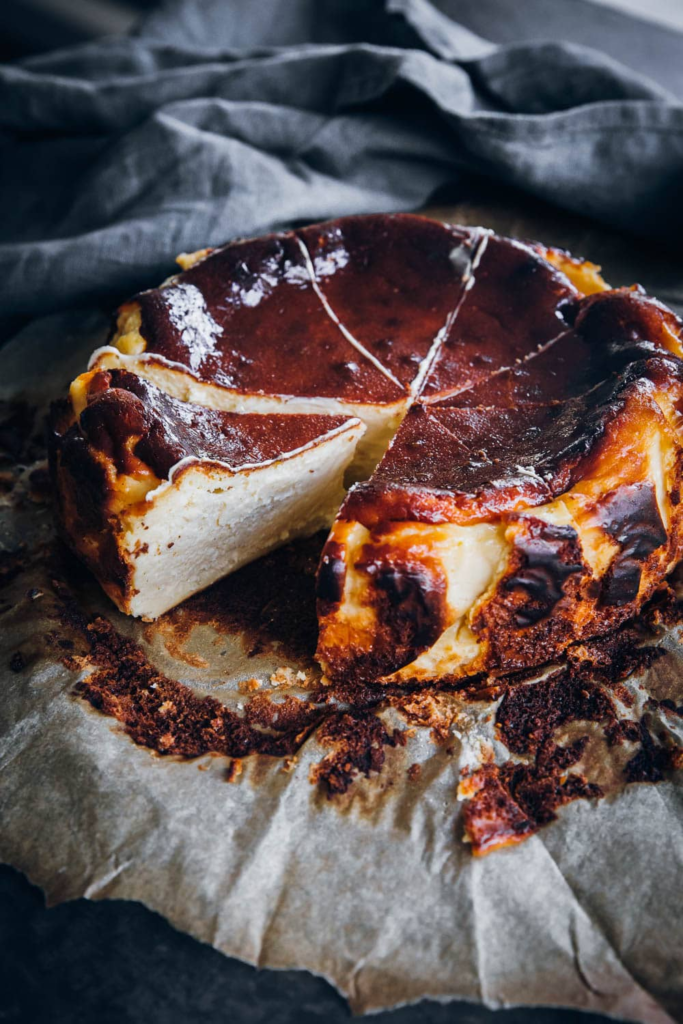
Basque cheesecake has earned its place as one of the most beloved desserts in the modern culinary world. Originating in Spain’s Basque region, this crustless cheesecake combines a deeply caramelized exterior with an irresistibly creamy center, creating a dessert that is both rustic and refined.
Its simplicity, versatility, and remarkable flavor have transformed it from a local specialty into a global sensation. Whether enjoyed plain, paired with fresh fruit, infused with chocolate, or enhanced with matcha, Basque cheesecake continues to delight dessert lovers everywhere.
What makes it truly special is its celebration of imperfection. The cracks, wrinkles, and dark surface are not flaws but defining characteristics that contribute to its charm and uniqueness. As more people discover its rich flavor and straightforward preparation, Basque cheesecake is likely to remain a favorite for generations to come.
From professional pastry chefs to home bakers, anyone can appreciate the beauty, simplicity, and unforgettable taste of this iconic Spanish dessert.
